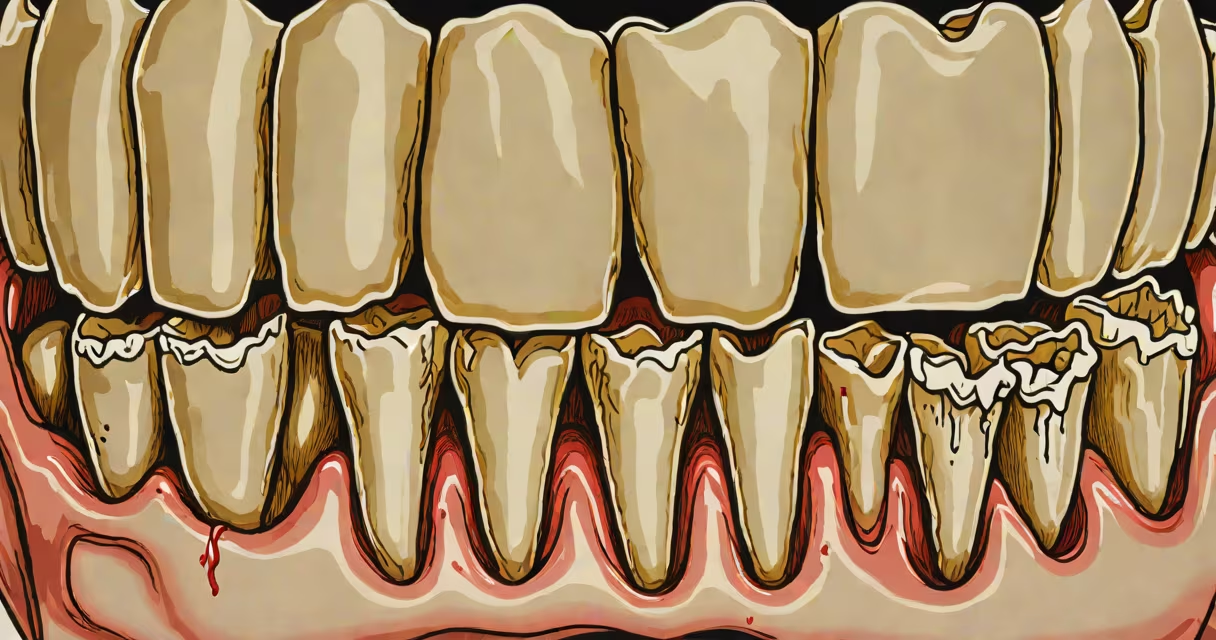
Dental crowns fall off when the bond between the crown and the prepared tooth fails, often due to decay beneath the crown, improper fit, or excessive biting force. This breakdown compromises the restoration's integrity and requires professional intervention.
Crowns are custom-made caps placed over damaged or weakened teeth to restore function and appearance. They're typically made from porcelain, ceramic, metal, or a combination. A crown covers the entire visible portion of the tooth, anchored by cement or adhesive. When the crown detaches, it exposes the underlying tooth to bacteria, decay, and pain.
The most common reason crowns fail is secondary decay. Even with a perfect initial fit, food particles and plaque accumulate around the margin-the edge where the crown meets the tooth. Over time, this leads to decay underneath the crown, weakening the tooth's structure and breaking the seal. According to the American Dental Association, approximately 15% of crowns require replacement within five years, primarily due to recurrent decay or fracture.
Crowns rely on mechanical retention and chemical bonding. After the dentist prepares the tooth by removing enamel and shaping it, they take an impression or scan. A lab technician fabricates the crown based on that model. Once delivered, the dentist seats the crown and uses dental cement to secure it. The cement fills microscopic gaps between the crown and tooth, creating a tight seal.
Proper fit is critical. If the crown is too tight, it can exert pressure on the surrounding gum tissue, leading to inflammation. If too loose, it allows bacteria and debris to seep in. A crown that doesn't align properly with opposing teeth may also experience uneven wear or impact during chewing, increasing stress on the bond.
I once observed a patient whose crown fell off after six months. The dentist had used a temporary cement during the trial fitting. When the permanent cement was applied, the crown didn't seat fully because the tooth had shifted slightly during the interim. The gap allowed saliva and food to enter, accelerating decay. The final restoration required root canal treatment and a new crown.
Failure isn't random. It follows patterns rooted in anatomy, materials, and patient behavior. Here are the top reasons crowns repeatedly come loose:
| Root Cause | Why It Happens | Prevention Strategy |
|---|---|---|
| Secondary decay | Bacteria infiltrate the gap between crown and tooth, eroding dentin and pulp. | Use fluoride toothpaste, floss daily, and attend biannual cleanings. |
| Poor crown fit | Imperfect impressions or misaligned margins allow micro-movement. | Verify the crown fits snugly before cementation; use a try-in paste. |
| Excessive occlusal load | Bruxism or clenching increases force on the crown, causing fatigue in the bond. | Wear a night guard; avoid hard foods like ice or popcorn kernels. |
| Insufficient tooth structure | Tooth was ground down too much, leaving little support for the crown. | Ensure adequate tooth reduction (at least 1.5 mm on all sides). |
A 2021 study published in the Journal of Prosthetic Dentistry found that 38% of failed crowns were due to inadequate tooth preparation. The researchers emphasized that proper tooth reduction preserves enough dentin to support the crown and maintain pulp health.
Patients sometimes assume a crown has fallen off when it hasn't. A crown may feel loose due to gum swelling, periodontal disease, or sensitivity. These conditions cause discomfort but don't necessarily indicate detachment.
Another confusion arises when patients notice a gap between the crown and adjacent tooth. This is normal in some cases-especially with metal-ceramic crowns-where a small space exists to accommodate the metal substructure. However, if the gap is large or filled with food debris, it signals a problem.
A crown that feels loose but remains in place is still at risk. The bond may be compromised, even if the crown hasn't fully dislodged. Delaying treatment increases the chance of irreversible damage.
A 45-year-old man reported his lower molar crown had fallen off twice in 18 months. He chewed on the left side and had a history of bruxism. Initial exam revealed no visible decay, but radiographs showed a 3 mm cavity under the crown's margin.
The dentist removed the old crown, cleaned the tooth, and discovered significant decay. After treating the cavity and placing a core build-up, a new zirconia crown was fabricated. The patient was fitted with a custom night guard and instructed to avoid chewing on hard objects.
Follow-up visits over 12 months confirmed no recurrence. The success rate improved because the root cause-bruxism and poor oral hygiene-was addressed alongside the technical fix.
Understanding why crowns fall off begins with recognizing that each failure is a signal-not just a repair job. Addressing the underlying cause ensures long-term success and reduces future dental costs.