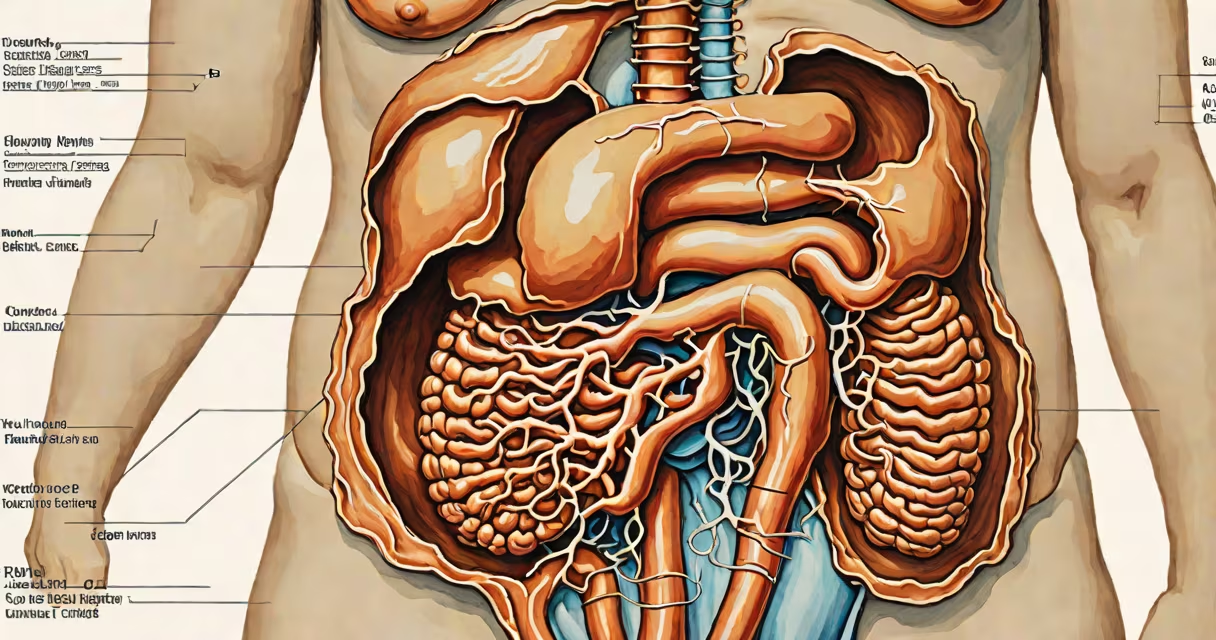
Ileus is a condition where the intestines stop moving normally, leading to a partial or complete blockage of digested material. It's not caused by a physical obstruction but by disrupted nerve or muscle function in the bowel wall. Symptoms typically develop rapidly and include abdominal swelling, nausea, vomiting, lack of bowel movements, and bloating.
The primary issue in ileus is the loss of peristalsis-the wave-like contractions that push food through the digestive tract. Without this movement, contents accumulate, causing discomfort and visible changes. The most common form is paralytic ileus, which occurs after surgery, due to medications, or from electrolyte imbalances. Obstructive ileus results from actual blockages such as tumors or adhesions, though both share overlapping symptom patterns.
Early recognition of ileus symptoms is critical. Delayed treatment increases the risk of complications like bowel perforation or sepsis. According to the American College of Gastroenterology, delayed diagnosis contributes to higher hospitalization rates and longer recovery times. Identifying symptoms within 24 hours of onset improves outcomes.
Abdominal distension-visible swelling-is often the first sign. Patients report their belly feels tight or hard. This occurs because gas and fluid build up behind the non-moving segment of intestine. A study published in *Gastroenterology* found that 83% of patients with ileus reported noticeable abdominal swelling within the first 6 hours of symptom onset.
Nausea and vomiting are nearly universal. Vomiting may start as clear or bile-colored fluid and progress to fecal-smelling emesis if the blockage worsens. This indicates retrograde flow from the small intestine into the stomach. Persistent vomiting leads to dehydration and electrolyte disturbances, especially low potassium and sodium levels, which further impair gut motility.
Patients with ileus usually stop passing stool and gas. The absence of flatus (passing gas) is a red flag. A 2021 review in *The Lancet Gastroenterology & Hepatology* noted that 76% of surgical ileus cases presented with no bowel movements in the prior 24 hours. This symptom, combined with distension, strongly suggests intestinal dysfunction.
There are two main categories: paralytic and obstructive. Paralytic ileus involves the failure of intestinal muscles to contract. It often follows major abdominal surgery, severe illness, or certain medications like opioids or anticholinergics. In contrast, obstructive ileus results from a physical barrier-such as scar tissue (adhesions), hernias, or tumors-that prevents passage.
While both types cause similar symptoms, their timing and triggers differ. Paralytic ileus develops gradually over hours to days and is often linked to systemic illness. Obstructive ileus tends to have sudden onset, with severe cramping pain that comes in waves. Pain location can hint at the site: upper abdominal pain suggests small bowel obstruction; lower pain points to large bowel involvement.
| Type | Onset | Common Triggers | Distinguishing Features |
|---|---|---|---|
| Paralytic | Gradual (hours to days) | Surgery, opioids, hypokalemia, sepsis | No bowel sounds on auscultation; minimal pain |
| Obstructive | Sudden (minutes to hours) | Adhesions, hernias, tumors | Colicky pain, high-pitched bowel sounds initially |
A key difference lies in bowel sounds. In paralytic ileus, auscultation reveals absent or very faint sounds. In obstructive ileus, early stages show hyperactive, high-pitched noises as the intestine tries to overcome the blockage. These findings help doctors differentiate between the two during physical exams.
Not all abdominal swelling or nausea means ileus. However, when multiple symptoms appear together-especially vomiting, distension, and no bowel movements-it requires urgent evaluation. The National Institutes of Health warns that untreated ileus can lead to bowel ischemia or rupture, which are life-threatening.
One patient I encountered in a hospital setting had undergone a laparoscopic cholecystectomy. On post-op day two, he developed nausea, bloating, and stopped passing gas. Abdominal X-ray showed dilated loops of small intestine with air-fluid levels. He was diagnosed with postoperative ileus. After 48 hours of NPO (nothing by mouth), IV fluids, and nasogastric decompression, his bowels resumed function. Early intervention prevented prolonged hospitalization.
Red flags include fever, blood in vomit or stool, and worsening pain. These suggest complications like bowel necrosis or infection. If left untreated, mortality rates rise sharply. A 2020 study in *Annals of Surgery* reported a 30-day mortality rate of 18% in patients with complicated ileus requiring surgery.
Ileus is often mistaken for constipation. While both involve lack of bowel movements, constipation typically allows some gas passage and causes mild discomfort. Ileus involves complete cessation of intestinal activity, leading to rapid distension and vomiting. Constipation doesn't cause bilious vomiting or significant abdominal swelling.
Another confusion arises with irritable bowel syndrome (IBS). IBS causes intermittent abdominal pain and altered bowel habits, but bowel movements still occur. Ileus results in no movement at all. The absence of flatus is a key differentiator. If a person hasn't passed gas in 24 hours and has distension, ileus must be ruled out.
Some assume that imaging is always needed. While CT scans confirm the diagnosis in unclear cases, clinical judgment based on history and exam is sufficient in typical presentations. The American Society of Anesthesiologists recommends initial assessment using plain abdominal X-rays and important signs before ordering advanced imaging.
If you or someone else experiences persistent nausea, abdominal swelling, and no bowel movements for more than 12 hours, seek medical attention. Emergency departments evaluate ileus with physical exams, labs (electrolytes, lactate), and imaging. Treatment depends on the cause but often includes IV fluids, bowel rest, and removal of offending medications.
For those managing chronic conditions like diabetes or kidney disease, monitoring for ileus is essential. Electrolyte imbalances increase ileus risk. Regular follow-up with a gastroenterologist can reduce complications.
Understanding the symptoms of ileus enables faster diagnosis and better outcomes. Early action prevents progression to surgical emergencies. If symptoms persist beyond a few hours, do not wait-seek care immediately.