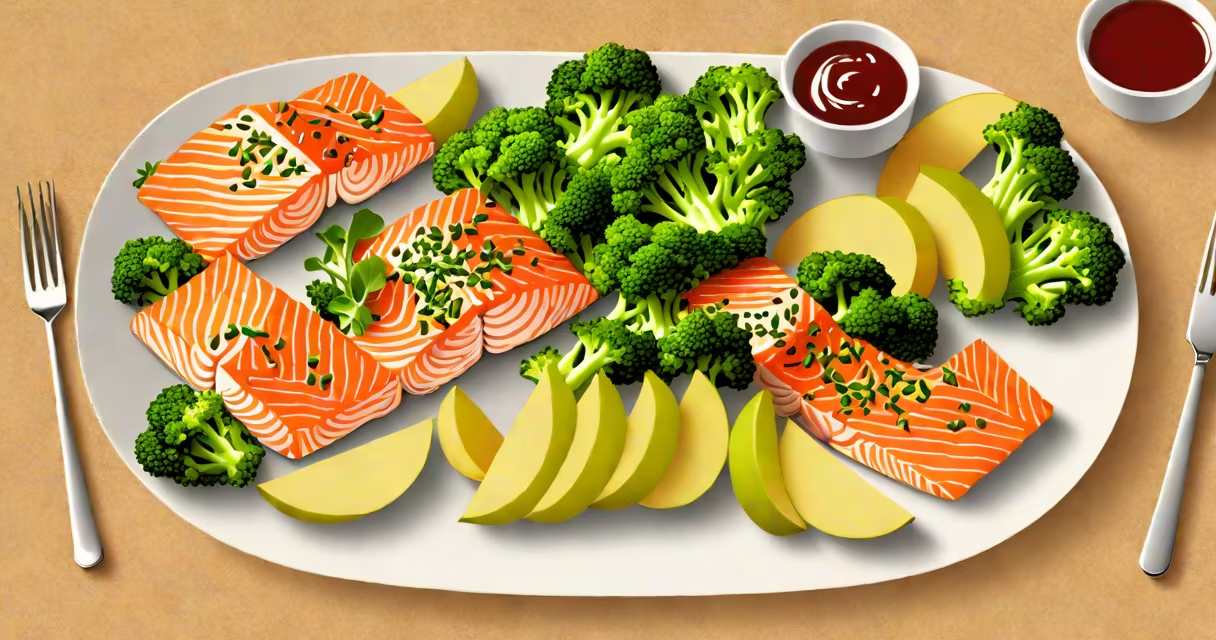
People with kidney disease should follow a renal diet that limits potassium, phosphorus, sodium, and sometimes protein to reduce strain on damaged kidneys. This diet prioritizes whole grains, fruits, vegetables, and lean proteins while restricting processed foods, high-potassium produce, and salty seasonings.
Kidneys filter waste and balance electrolytes. When function declines-especially in stages 3b through 5-excess potassium can cause dangerous heart rhythms, high phosphorus may weaken bones, and sodium increases blood pressure. A well-managed diet slows progression and reduces complications.
The National Kidney Foundation recommends individualized plans based on lab results, stage of disease, and comorbidities like diabetes. A registered dietitian specializing in renal nutrition creates personalized meal strategies.
Healthy kidneys regulate minerals and fluids. Damaged kidneys fail to excrete excess potassium, phosphorus, and sodium efficiently. High levels lead to muscle cramps, fatigue, itching, and increased risk of heart attack or stroke.
For example, a single medium banana contains 422 mg of potassium. For someone with stage 4 chronic kidney disease (CKD), daily potassium intake should stay under 2,000 mg. Eating two bananas exceeds that limit and raises serum potassium dangerously.
Protein intake must also be adjusted. Too much protein increases metabolic waste, taxing remaining kidney function. The American Society of Nephrology advises 0.6-0.8 g/kg/day for non-dialysis patients. A 70 kg person should consume 42-56 grams of protein daily-about 1 egg, 3 oz of chicken, and a cup of cottage cheese.
Not all foods are equal. Some are safe in moderation; others must be avoided entirely depending on lab values.
| Foods to Limit or Avoid | Foods to Choose Instead |
|---|---|
| Avocados (over 900 mg potassium per cup) | Apples (80 mg per small fruit) |
| Beef jerky (high sodium and phosphorus) | Plain boiled potatoes (peeled, soaked, boiled twice) |
| Orange juice (450 mg potassium per 8 oz) | White bread (low phosphorus, lower potassium than whole grain) |
| Dark colas (phosphoric acid added) | Water, herbal tea, lemon water (no added sugar) |
Low-potassium fruits include berries, grapes, apples, and pineapple (canned in light syrup). Low-phosphorus dairy alternatives include almond milk (check labels-some brands add phosphorus additives).
Vegetables like green beans, cabbage, and zucchini are safer choices. Cooking methods matter: boiling spinach reduces potassium by 50%. Soaking and boiling potatoes removes up to 50% of their potassium content.
A real-world example: A patient with stage 4 CKD and hyperkalemia was advised to replace a breakfast of oatmeal with banana and yogurt with scrambled eggs, half a cup of cooked white rice, and a small apple. This swap reduced potassium intake by 300 mg and kept protein within recommended limits.
Many assume "natural" means "safe." But fresh coconut water contains 600 mg potassium per cup-higher than many sports drinks. Even "healthy" smoothies with kale, banana, and almond milk can spike potassium levels.
Another error: over-restricting protein. While excessive protein harms kidneys, too little causes muscle wasting and malnutrition. The goal is balanced intake-not elimination. A study in the Journal of Renal Nutrition found that patients who consumed adequate protein had better survival rates than those who severely restricted it.
Some believe all vegetables are okay. But cooked beets, mushrooms, and artichokes are high in potassium and should be limited. Portion size matters: a 1-cup serving of baked potato contains 926 mg potassium-nearly a quarter of the daily limit for advanced CKD.
Start with a 3-day food diary. Track everything eaten, including condiments. Many people underestimate salt in soups, sauces, and canned beans.
Use apps like Cronometer or the National Kidney Foundation's "MyRenalDiet" tool to estimate nutrient content. These tools flag high-potassium and high-phosphorus items and suggest alternatives.
I once helped a client reduce her potassium intake by switching from a dinner of roasted sweet potatoes and lentils to grilled cod, steamed green beans, and a small portion of white rice. Her serum potassium dropped from 5.8 mmol/L to 4.6 mmol/L in six weeks.
When shopping, choose fresh over canned. Rinse canned beans thoroughly to remove up to 50% of sodium and potassium. Avoid processed meats-bacon, hot dogs, and deli slices often contain phosphorus additives.
Self-managing a renal diet leads to poor outcomes. The American Association of Kidney Patients reports that patients who work with a renal dietitian have 30% lower hospitalization rates.
What can I eat with kidney disease? Prioritize low-potassium, low-phosphorus, and moderate-protein foods. Use portion control, read labels, and consult a dietitian. Consistent choices improve quality of life and slow disease progression.