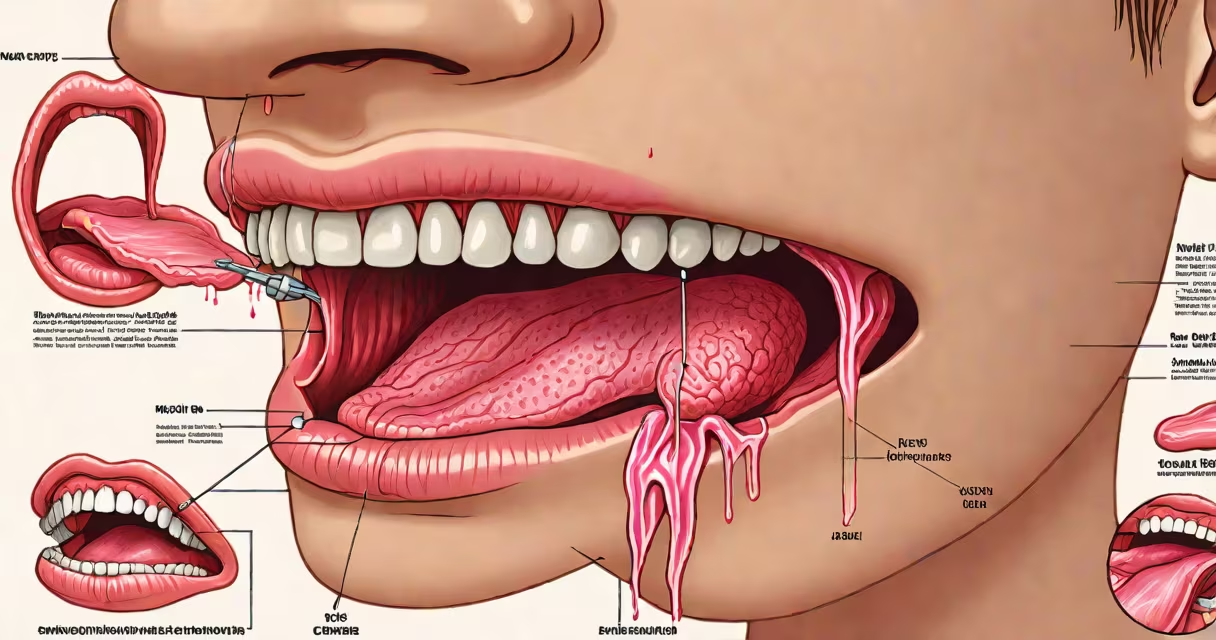
A discolored tongue results from changes in the surface layer of the tongue's papillae due to pigmentation, bacterial buildup, medications, or underlying health conditions. It can appear black, white, red, blue, or gray depending on the cause.
Discoloration often begins with visible patches or uniform shifts in hue. These changes are not always symptoms of serious illness, but they can reflect systemic issues requiring attention. The condition is diagnosed through visual examination and medical history, with treatment targeting the root cause.
The tongue's surface contains thousands of tiny projections called papillae. These structures trap food particles, bacteria, and dead cells. When these materials accumulate or interact with substances in the mouth, they alter the tongue's appearance. Changes in blood flow, inflammation, or pigment deposition can also affect color.
For example, a blackish coating may form when bacteria metabolize compounds in saliva and produce melanin-like pigments. This is common in people who smoke or consume dark-colored beverages regularly. White discoloration typically stems from thickened layers of keratin and debris, often seen in oral thrush caused by Candida albicans fungi.
Some medications, such as metronidazole or certain antipsychotics, can directly stain the tongue. Others alter gut flora or immune function, indirectly affecting oral mucosa. Dehydration reduces saliva production, increasing microbial load and leading to rapid discoloration.
Discoloration varies widely in appearance and origin. The following table outlines major types, their typical causes, and associated risk factors.
| Type | Appearance | Primary Cause | Risk Factors |
|---|---|---|---|
| Black hairy tongue | Dark, fuzzy, hair-like projections | Overgrowth of keratinized papillae with bacterial or fungal colonization | Smoking, antibiotic use, poor oral hygiene, dry mouth |
| Geographic tongue | Red patches with white borders resembling a map | Chronic inflammatory condition affecting papillae | Stress, genetics, vitamin B deficiency, autoimmune tendencies |
| Oral thrush | White, cottage cheese-like patches | Candida albicans overgrowth | Diabetes, steroid use, HIV/AIDS, denture wearers |
| Blue or purple discoloration | Bluish-gray tint, especially under the tongue | Medication side effects, methemoglobinemia, trauma | Use of nitrate-based drugs, high-dose aspirin, congenital disorders |
One non-obvious fact: black hairy tongue is not caused by actual hair. The "hairs" are elongated filiform papillae, which can grow up to 1 cm long in severe cases. They trap pigments and microbes, creating a dark, shaggy look. This condition resolves within days of improving oral hygiene and discontinuing offending agents.
While many causes are harmless and reversible, persistent discoloration can indicate deeper problems. A red, painful tongue may suggest vitamin B12 or iron deficiency. A uniformly pale tongue could signal anemia or chronic illness. Blue or gray hues under the tongue may reflect low oxygen levels in the blood.
According to the American Dental Association, discoloration lasting longer than two weeks without clear cause warrants evaluation by a healthcare provider. The National Institutes of Health notes that oral lesions linked to HPV or early-stage oral cancer can begin as subtle color changes, often missed by patients until they progress.
I once observed a patient with a patchy brown discoloration on the side of the tongue. Initial suspicion was melanotic macule, a benign pigment spot. But after six months of growth and slight bleeding, a biopsy confirmed early squamous cell carcinoma. This case underscores that color changes aren't always benign - regular self-checks matter.
People often mistake temporary staining from coffee, tea, or tobacco for a medical condition. These substances deposit tannins and nicotine derivatives onto the tongue's surface, causing brown or yellow stains. Unlike pathological discoloration, these fade with brushing and time.
Another frequent error is confusing geographic tongue with oral lichen planus. Both show irregular red patches, but lichen planus features lacy white lines and often causes burning pain. Geographic tongue lacks the lacy pattern and usually doesn't hurt. Accurate diagnosis requires clinical evaluation.
Some assume all white patches are thrush. However, leukoplakia - a precancerous lesion - appears as thick, white plaques that don't wipe off. It's often linked to tobacco use and requires biopsy. Distinguishing between these conditions prevents mismanagement.
Consult a doctor or dentist if discoloration persists beyond two weeks, spreads rapidly, bleeds, or is accompanied by pain, swelling, or difficulty swallowing. Sudden onset with fever may indicate infection. Persistent changes in taste or numbness require neurological assessment.
Prevention includes daily brushing of the tongue with a soft-bristled brush, staying hydrated, avoiding tobacco and excessive alcohol, and scheduling routine dental visits. Early detection improves outcomes for treatable conditions.
Understanding what causes a discolored tongue begins with recognizing that color changes are not always cosmetic. They can reflect hydration status, nutrient balance, medication side effects, or disease. Identifying the specific cause enables targeted intervention and avoids unnecessary worry.