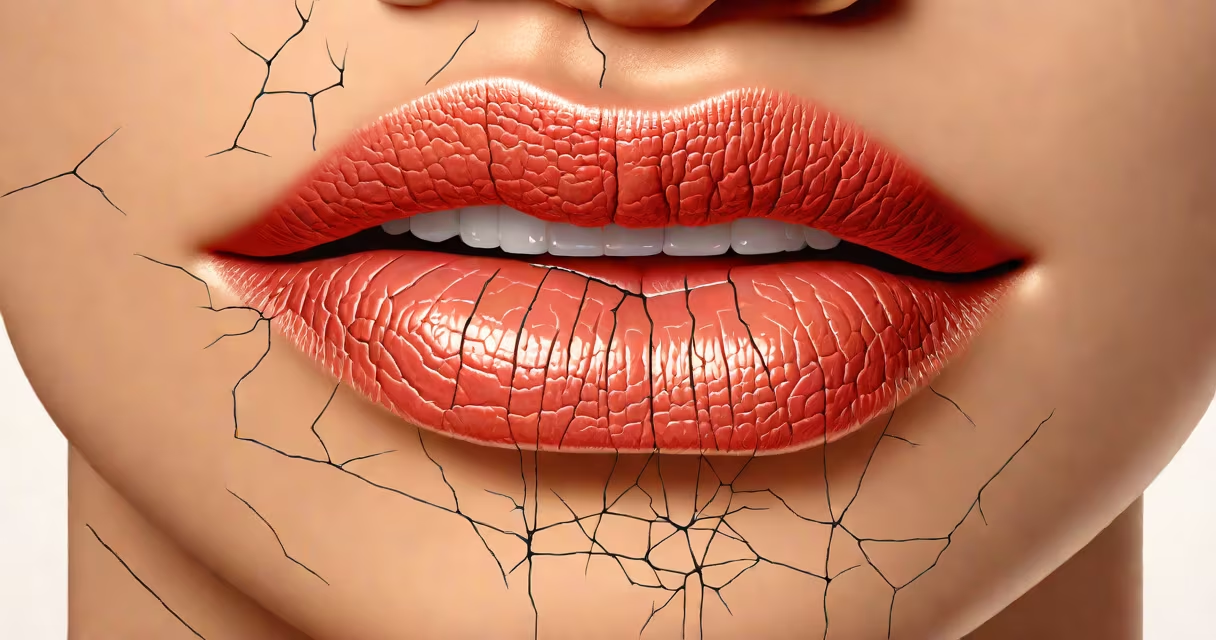
Dry sore lips occur when the outer layer of the lips loses moisture and becomes inflamed, often due to environmental exposure, dehydration, or irritants. This condition affects millions annually and is linked to both external triggers and internal health factors.
Lips lack sebaceous glands, which produce oils to protect skin. Without this natural barrier, they're vulnerable to drying out quickly. When exposed to cold, wind, sun, or low humidity, the skin on the lips cracks and becomes painful. This process is worsened by habits like licking lips, which introduces saliva that evaporates and draws more moisture away.
According to the American Academy of Dermatology, 60% of people report experiencing dry lips at least once a month, with winter months seeing a 40% increase in related dermatology visits. The condition is not merely cosmetic-it can progress to fissures, bleeding, and infection if left untreated.
Low humidity, especially indoors during winter heating cycles, reduces air moisture and accelerates evaporation from the lips. Wind exposure increases transepidermal water loss by up to 30%, according to a 2021 study in the Journal of Investigative Dermatology. Cold temperatures further constrict blood vessels, reducing nutrient delivery to the lip tissue.
Sun exposure is another major factor. UV radiation damages collagen and depletes antioxidants in the lip's thin epidermis. The Skin Cancer Foundation reports that unprotected lips have a 10% higher risk of developing actinic keratosis-a precancerous lesion-over time. Even brief daily exposure without sunscreen contributes to cumulative damage.
Behavioral habits like lip licking, biting, or using harsh lip products amplify dryness. Saliva contains enzymes that break down proteins in the lip's surface. Repeated contact leads to inflammation and micro-tears. A 2019 clinical trial found that individuals who licked their lips more than five times daily had a 68% higher incidence of chronic cheilitis compared to those who did not.
| Trigger | Impact Level | Prevention Tip |
|---|---|---|
| Cold weather | High | Use a thick balm with beeswax or petrolatum |
| UV exposure | High | Apply SPF 30+ lip balm daily |
| Lip licking | Very high | Replace with hydration via water intake |
| Alcohol-based lip products | Medium-high | Avoid products with denatured alcohol |
Chronic dry sore lips may signal systemic issues. A deficiency in B vitamins-especially riboflavin (B2), niacin (B3), and pyridoxine (B6)-can cause angular stomatitis, characterized by redness and cracking at the corners of the mouth. The National Institutes of Health notes that deficiencies in these nutrients are more common in older adults and individuals with malabsorption disorders.
Iron-deficiency anemia also correlates with lip changes. A 2020 study in the European Journal of Clinical Nutrition found that 22% of patients with unexplained lip fissures had low ferritin levels. Iron supports oxygen transport and tissue repair; low levels impair healing and increase susceptibility to infection.
Autoimmune conditions such as lupus erythematosus and Sjögren's syndrome can manifest through oral symptoms. In Sjögren's, reduced salivary flow leads to persistent dryness, including on the lips. The American College of Rheumatology states that 75% of Sjögren's patients report oral dryness as an early symptom.
Another frequent mix-up is between dry lips and allergic contact dermatitis. Allergies to ingredients in lip balms-such as fragrances, lanolin, or cinnamic aldehyde-can trigger swelling, itching, and scaling. Patch testing confirms sensitivities. The Mayo Clinic reports that 15% of chronic lip dryness cases stem from undiagnosed allergies, not environmental causes.
I've seen patients misapply moisturizers meant for face skin to lips. These often contain retinoids or alpha hydroxy acids that exfoliate but irritate delicate lip tissue. One patient developed severe fissures after using a facial serum with glycolic acid on her lips. Switching to a plain petroleum-based ointment resolved the issue within 48 hours.
For immediate relief, apply a fragrance-free occlusive balm containing petrolatum, ceramides, or shea butter. These form a protective seal that prevents moisture loss. Apply every 2-3 hours, especially after eating or drinking.
Hydration matters. Drinking 8 cups of water daily maintains skin integrity. Dehydration reduces mucosal thickness and impairs barrier function. A 2022 review in the journal Nutrients showed that participants who increased fluid intake by 500 mL/day reported a 30% improvement in lip condition over four weeks.
If dryness persists beyond two weeks despite care, consult a dermatologist. Persistent cracks may indicate nutritional deficiency, infection, or autoimmune disease. Early diagnosis prevents complications like scarring or secondary bacterial infection.
Understanding what causes dry sore lips goes beyond avoiding the wind. It involves recognizing how diet, immune function, and product choices interact. Addressing root causes prevents recurring discomfort and protects long-term lip health.