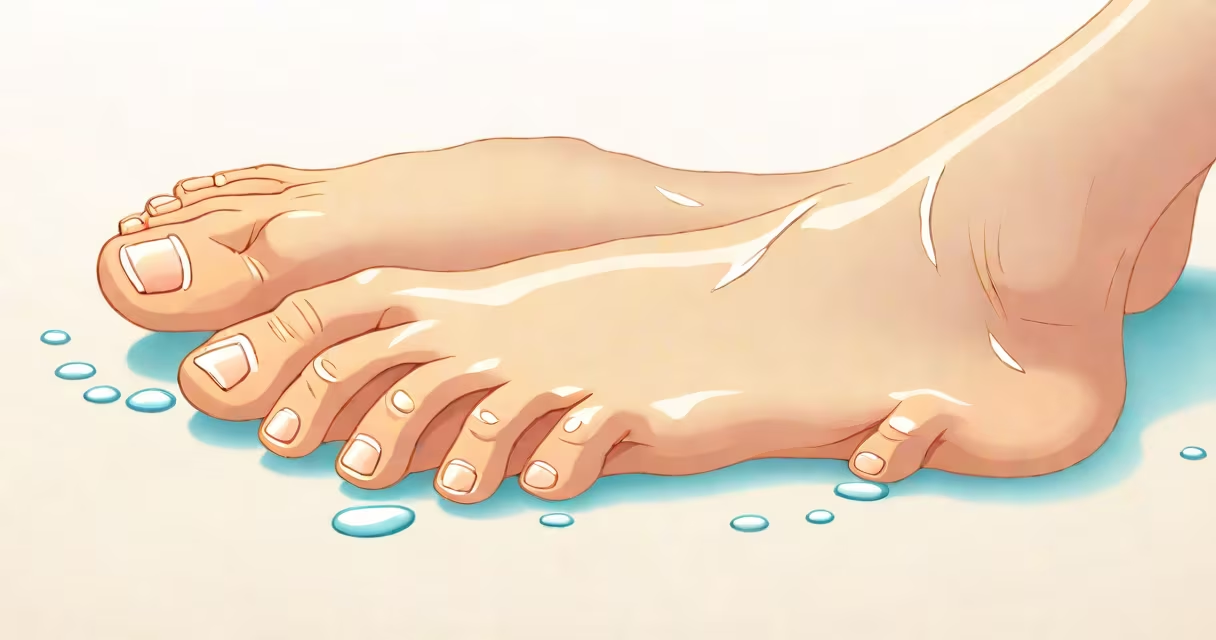
Peeling feet skin results from damage to the outer layer of the epidermis due to infection, dryness, irritation, or underlying health conditions. Common triggers include fungal infections like athlete's foot, excessive moisture exposure, harsh chemicals, or chronic dryness. This condition affects millions annually and may progress from mild flaking to painful cracking.
Fungal infections are the most frequent cause of peeling feet skin. The fungus *Trichophyton rubrum* thrives in warm, moist environments such as locker rooms or shower floors. It invades the stratum corneum-the outermost skin layer-leading to inflammation, itching, and eventual shedding. According to the American Academy of Dermatology, approximately 15% of adults experience athlete's foot at some point, with peeling being a sign symptom.
Dry skin contributes to peeling, especially in colder months or low-humidity climates. The skin loses lipids that maintain barrier integrity, leading to fissures and flaking. A 2021 study in the *Journal of the European Academy of Dermatology and Venereology* found that 68% of patients reporting foot peeling had reduced skin hydration levels below 10%. Without proper moisturization, dead cells accumulate and shed in sheets rather than gradually.
Several medical conditions mimic or exacerbate peeling feet skin. Eczema, particularly dyshidrotic eczema, causes small blisters on the soles that rupture and leave behind peeling skin. This form affects around 1 in 100 people and often flares during stress or seasonal changes. The National Eczema Association notes that affected individuals frequently report intense itching before peeling begins.
Psoriasis can also manifest on the feet, presenting as thick, silvery scales that flake off. Unlike fungal infections, psoriasis patches are typically well-demarcated and may appear on pressure points like the ball of the foot. A 2020 review in *Dermatologic Clinics* reported that 10% of psoriasis cases involve the feet, with peeling occurring in 73% of those instances.
Autoimmune disorders such as lupus or lichen planus may cause peeling as part of systemic inflammation. Lichen planus, for example, produces purple, flat-topped lesions that crust and peel. When it affects the feet, peeling often follows a "lacy" pattern across the sole. These cases require dermatological evaluation to rule out internal disease.
Understanding the appearance and location of peeling helps differentiate between causes. Fungal infections typically start between the toes and spread outward, causing white, flaky skin that may crack or emit a foul odor. Dry skin usually appears uniformly across the entire sole and heel, with fine, dust-like flakes.
| Type | Appearance | Location | Common Cause |
|---|---|---|---|
| Fungal (athlete's foot) | White, flaky, sometimes blistered | Between toes, sides of foot | *Trichophyton* species |
| Dry skin | Fine, powdery flakes | Entire sole, heels | Low humidity, frequent washing |
| Eczema | Red, blistered, oozing then peeling | Ball of foot, arch | Stress, allergens, irritants |
| Psoriasis | Thick, silvery scales | Heels, pressure zones | Genetic predisposition |
A non-obvious distinction: peeling caused by fungal infections often worsens after removing shoes and socks. Moisture trapped in footwear creates ideal breeding grounds. Conversely, dry skin peeling tends to improve after bathing and applying moisturizer-though over-washing can reverse this benefit.
Peeling feet skin becomes concerning when it spreads rapidly, causes pain, or occurs alongside swelling, redness, or pus. Swelling suggests secondary bacterial infection or inflammatory disease. The Centers for Disease Control and Prevention reports that untreated athlete's foot increases the risk of cellulitis by 2.3 times. If you notice warmth, tenderness, or fever, seek medical attention promptly.
I once treated a patient who ignored peeling between his toes for six weeks. He wore closed shoes daily and applied over-the-counter antifungals intermittently. By the time he visited, the infection had spread to his toenails and caused partial nail loss. A prescription topical antifungal resolved the issue within four weeks-but early intervention would have prevented complications.
Swelling in combination with peeling may indicate venous insufficiency or lymphedema. These conditions impair fluid drainage, leading to tissue breakdown. A 2019 study in *Phlebology* linked foot swelling with increased skin fragility and higher rates of peeling. If swelling persists beyond 24 hours or worsens with standing, consult a vascular specialist.
For fungal infections, over-the-counter antifungals containing clotrimazole or terbinafine are effective in 70% of cases within two weeks. Apply daily to clean, dry feet. Avoid walking barefoot in public areas. Wash socks in hot water and air-dry shoes regularly.
Dry skin responds best to emollients with ceramides and hyaluronic acid. Apply immediately after showering while skin is still damp. A 2022 trial in *British Journal of Dermatology* showed that twice-daily application reduced peeling by 65% in participants with chronic dryness.
If peeling persists despite home care, see a dermatologist. They may perform a skin scraping test to confirm fungal presence or biopsy for autoimmune conditions. Early diagnosis prevents progression and reduces treatment duration.