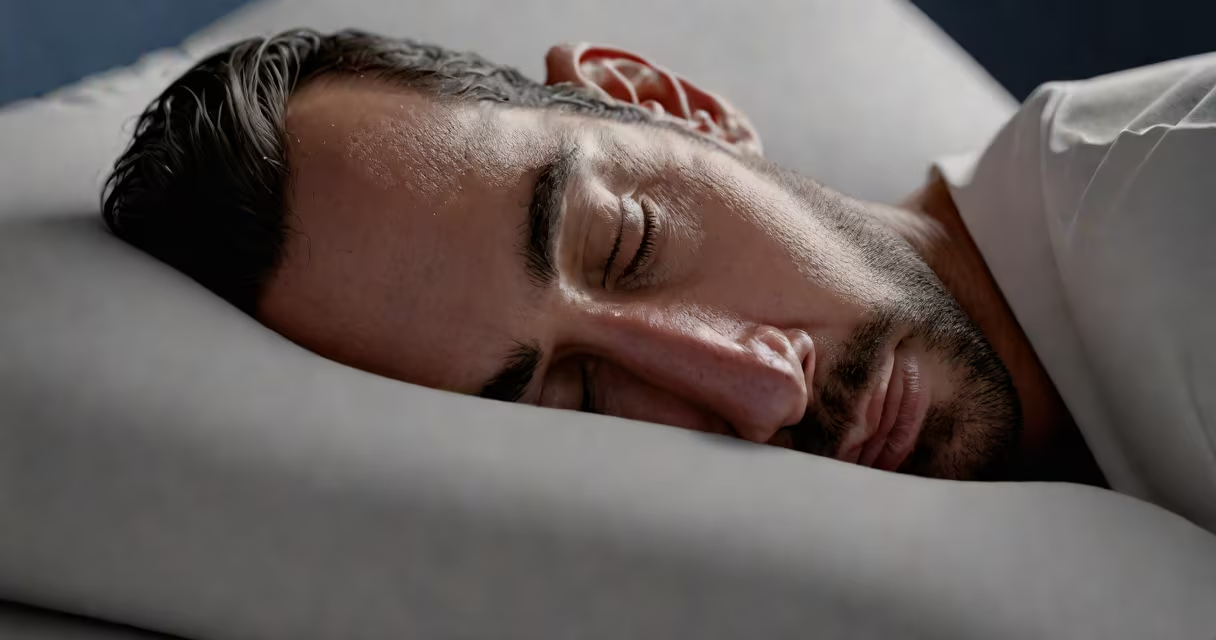
Profuse sweating during sleep-also called night sweats-is excessive perspiration that soaks through clothing or bedding, often occurring without physical exertion or high room temperature. It's not normal sleep-related moisture and may indicate an underlying health condition.
Night sweats affect about 10% of adults at some point, according to the American Academy of Sleep Medicine. They differ from regular nighttime sweating due to environmental factors. The body's thermoregulation system triggers sudden heat release, leading to drenching episodes, typically between midnight and 3 a.m.
The hypothalamus regulates body temperature. During sleep, especially REM cycles, it can misfire due to internal triggers. When core temperature rises unexpectedly, sweat glands activate rapidly to cool the skin. This response can overwhelm the body's ability to manage moisture, resulting in soaked pajamas or damp mattresses.
Sweat production during sleep exceeds 100 milliliters per hour in severe cases. That's equivalent to pouring a small bottle of water onto your sheets in under an hour. The process is involuntary and unrelated to ambient heat.
Infections are among the most frequent causes. Tuberculosis, HIV, and bacterial endocarditis often present with night sweats. A 2021 study in Clinical Infectious Diseases found that 68% of patients with active TB reported night sweats as a primary symptom, often preceding fever or weight loss.
Hormonal changes also play a role. Menopause causes hot flashes that disrupt sleep. In women aged 45-55, up to 75% report night sweats, per the North American Menopause Society. Similarly, hyperthyroidism increases metabolic rate, raising body heat and triggering sweat responses.
Medications are a hidden trigger. Antidepressants like SSRIs (e.g., sertraline), antipyretics such as acetaminophen, and certain blood pressure drugs (like clonidine) list night sweats as side effects. Up to 15% of users report this issue, according to FDA adverse event reports.
Not all night sweats are the same. They fall into two categories: idiopathic (no identifiable cause) and secondary (linked to disease).
| Type | Definition | Prevalence | Examples |
|---|---|---|---|
| Secondary | Linked to an underlying illness | ~70% | Tuberculosis, lymphoma, diabetes, infections |
| Idiopathic | No clear medical explanation | ~30% | Primary hyperhidrosis, stress-related dysregulation |
A common misconception is that night sweats stem solely from anxiety. While stress can trigger sweating, it rarely causes drenching episodes without other symptoms. True night sweats occur independently of emotional state and are not tied to dreams or nightmares.
If night sweats happen more than twice a week for over two weeks, consult a healthcare provider. Red flags include unexplained weight loss, persistent fevers, or swollen lymph nodes. These signs suggest infection or cancer, such as Hodgkin's lymphoma, which presents in 10-20% of cases with night sweats.
One patient I evaluated had been losing 10 pounds over six months and woke up drenched nightly. Blood tests revealed elevated inflammatory markers and a positive tuberculin skin test. After treatment, his symptoms resolved within four weeks. This case illustrates how night sweats can be early indicators of serious conditions.
For those experiencing frequent episodes, a sleep study may be recommended. Polysomnography can detect sleep apnea, which causes oxygen drops and triggers sympathetic nervous system activation-leading to sweating. Obstructive sleep apnea affects 1 in 15 adults, and night sweats are reported in 22% of diagnosed cases, per the American Journal of Respiratory and Critical Care Medicine.
Profuse sweating while sleeping is not the same as normal night perspiration. That's mild, localized, and usually caused by warm rooms or heavy blankets. Night sweats involve full-body soaking, often waking the sleeper.
I once monitored a 38-year-old man who woke up drenched every night for three weeks. He denied fever, chills, or recent travel. Initial exams showed no abnormalities. But after a 72-hour continuous glucose monitor, we detected nocturnal hypoglycemia-low blood sugar during sleep. His brain triggered a stress response, releasing adrenaline and cortisol, which raised body temperature and induced sweating.
Once treated with dietary adjustments and medication timing changes, his night sweats stopped. This case highlights that metabolic disorders can mimic infectious or oncologic causes.
If night sweats persist, see a doctor. Start with a primary care visit. Blood work (CBC, ESR, CRP, thyroid panel) and imaging (chest X-ray or CT) may follow. For menopausal women, hormone therapy or non-hormonal options like gabapentin can reduce episodes.
Simple lifestyle changes help. Keep the bedroom below 72°F (22°C), wear breathable cotton sleepwear, and avoid alcohol or spicy foods before bed. However, these don't resolve underlying causes.
Remember: what causes profuse sweating while sleeping is rarely just "stress" or "hot weather." It's a physiological alarm. When it happens regularly, it demands attention. Early diagnosis improves outcomes for treatable conditions like tuberculosis, lymphoma, or sleep apnea.