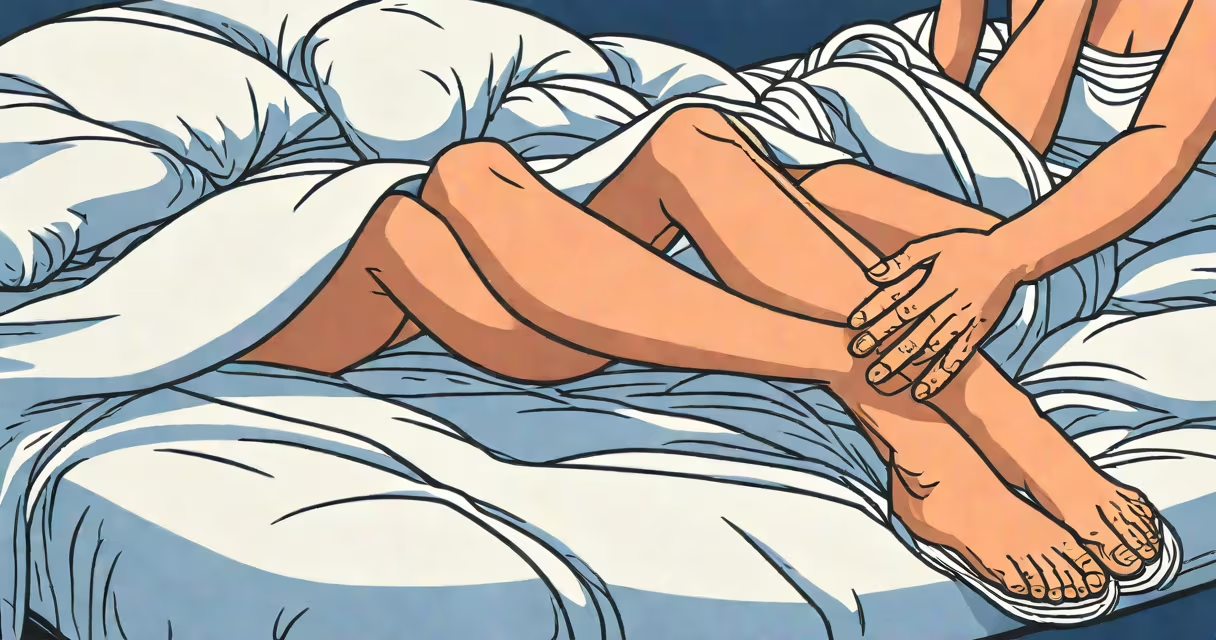
Nocturnal shin cramps result from involuntary muscle contractions in the lower leg, often triggered by dehydration, electrolyte loss, muscle fatigue, or nerve compression during rest. They typically occur between midnight and early morning, especially after prolonged standing or physical activity.
These cramps affect the anterior tibialis muscle-the front of the shin-and feel like sharp, sudden pain that can last seconds to minutes. Unlike daytime strain-related cramps, nighttime versions often happen without warning and may disrupt sleep. They're common in adults over 50, athletes, and people with certain medical conditions.
While most cases are harmless, recurring episodes may signal underlying issues such as peripheral neuropathy, poor circulation, or medication side effects. Identifying the root cause improves prevention and reduces discomfort.
When muscles contract involuntarily, they shorten and harden, cutting off local blood flow and causing intense pain. In the shin, this occurs due to disrupted neuromuscular signaling. Nerves controlling the tibialis anterior can misfire during rest, particularly if the muscle is fatigued or compressed.
During sleep, reduced movement leads to decreased blood flow and altered ion balance in muscle cells. Sodium, potassium, calcium, and magnesium regulate nerve impulses and muscle relaxation. A drop in any of these ions-especially magnesium-can trigger hyperexcitability in nerves, leading to cramping.
A 2021 study published in Neurology found that 64% of patients reporting frequent leg cramps had low serum magnesium levels, even when dietary intake was adequate, suggesting impaired absorption or increased excretion may play a role.
Several factors increase the likelihood of nighttime shin cramps:
One overlooked factor is posture during sleep. Pointing the toes downward (plantar flexion) stretches the tibialis anterior, making it prone to cramping. This position is common when sleeping on your stomach or with feet dangling off the bed.
People frequently confuse shin cramps with other nighttime leg sensations. True cramps involve sudden, intense pain and visible muscle tightness. Other conditions include:
Crucially, shin cramps do not indicate a serious injury unless accompanied by swelling, redness, or weakness. If cramps persist despite hydration and stretching, consult a doctor to rule out nerve compression or vascular issues.
In 2022, a 38-year-old marathon runner reported nightly shin cramps lasting up to five minutes. She trained 40 miles weekly and drank 2 liters of water daily. Blood tests revealed normal sodium but low magnesium (0.6 mmol/L-below the reference range of 0.7-1.0).
After supplementing with 300 mg of magnesium glycinate daily and performing calf and shin stretches before bed, her cramps resolved within two weeks. She also adjusted her sleep posture-avoiding toe-down positions-and added a light snack with potassium (one banana) before bed.
This case illustrates that even well-hydrated individuals can develop cramps due to micronutrient deficits. Electrolyte balance matters more than fluid volume alone.
Immediate relief involves gently stretching the affected muscle. Sit upright, extend the leg, and pull the toes toward the nose until tension eases. Hold for 15-30 seconds. Walking around or massaging the area can restore circulation.
Long-term prevention includes:
If cramps continue despite lifestyle changes, see a healthcare provider. Tests may include nerve conduction studies or blood work to assess electrolytes, vitamin D, and thyroid function.
Understanding the specific triggers behind shin cramps at night allows targeted action. Most cases resolve with hydration, nutrition, and posture adjustments. Persistent episodes warrant evaluation to exclude neurological or circulatory disorders.