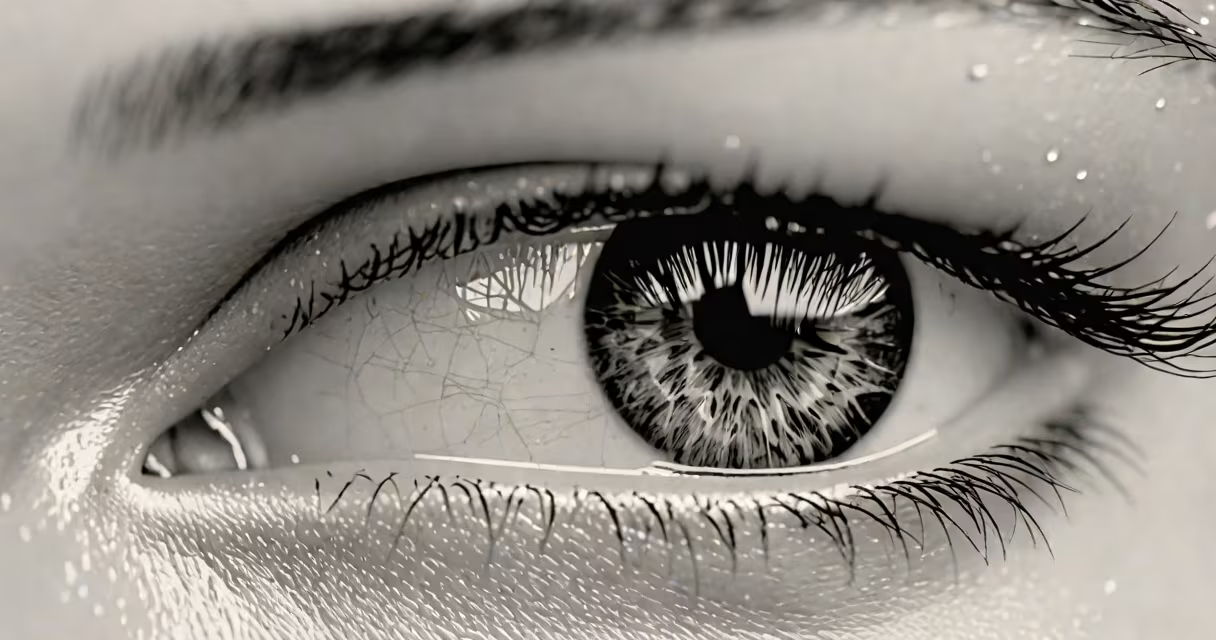
When only one eye waters excessively, it typically indicates a localized issue such as a blocked tear duct, dry eye disease, or an allergic reaction affecting one side of the face. This asymmetry distinguishes it from generalized tearing due to emotional stress or environmental irritants.
Tear production and drainage rely on a delicate balance between secretion and removal. When this system fails in one eye, symptoms like persistent watering, irritation, or discharge appear unilaterally. The condition is not rare-up to 15% of adults report episodic unilateral tearing, often linked to underlying ocular surface disorders.
The lacrimal system produces tears in the upper outer corner of each eye. These fluid films drain through tiny openings called puncta into the nasal cavity via the nasolacrimal duct. Blockage at any point-especially in the duct itself-can cause tears to back up and overflow from one eye. This is the most common anatomical reason for isolated eye watering.
Normal tear function involves three layers: lipid (outer), aqueous (middle), and mucin (inner). When the aqueous layer is insufficient, the eye becomes dry. Dryness triggers reflex tearing-excessive production meant to compensate. This paradoxical response results in watering despite dryness. If the imbalance affects only one eye, the result is unilateral watering.
For example, someone with dry eye syndrome may have reduced tear secretion in one eye due to nerve damage or chronic inflammation. The brain senses dryness and signals increased tear production in that eye. But if the drainage system is compromised, excess fluid spills out, creating the appearance of watering.
According to the American Academy of Ophthalmology, dry eye disease affects approximately 16 million U.S. adults. Among them, nearly 40% experience asymmetric symptoms, with one eye more affected than the other. This pattern supports the idea that unilateral watering often reflects uneven ocular health rather than systemic issues.
Several distinct conditions can lead to watering in only one eye. The most frequent include:
| Condition | Key Mechanism | Typical Symptoms |
|---|---|---|
| Blocked Tear Duct | Obstruction in the nasolacrimal duct prevents drainage. | Constant watering, mucus discharge, swelling near inner eyelid. |
| Dry Eye Syndrome (Unilateral) | Reduced tear production in one eye leads to reflex tearing. | Watery eye, gritty sensation, redness, fluctuating vision. |
| Allergies or Irritation | Localized exposure to allergens or chemicals triggers inflammation. | Itching, burning, redness, and watering confined to one eye. |
| Eye Injury or Foreign Body | Physical trauma or debris irritates the cornea or conjunctiva. | Pain, light sensitivity, excessive tearing, blurred vision. |
A blocked tear duct is especially common in infants and older adults. In adults, it often develops after infections, sinus surgery, or facial trauma. A 2021 study in *Ophthalmology* found that 72% of patients with unilateral tearing had a confirmed obstruction on dacryoscintigraphy, a nuclear imaging test used to assess tear flow.
Non-obvious fact: Watery eyes in one eye do not always mean the eye is producing too much fluid. Often, the problem lies in poor drainage. This explains why artificial tears may worsen symptoms-they add more fluid to a system already unable to remove it.
People frequently mistake unilateral eye watering for a cold or seasonal allergy. However, if the watering persists beyond a few days or occurs without nasal congestion, it's likely not viral rhinitis. Allergies usually affect both eyes symmetrically unless one eye is exposed to a concentrated trigger-like pollen drifting through a window.
Another common confusion is mistaking it for conjunctivitis. While pink eye can cause tearing, it typically presents with redness, discharge, and crusting. If only one eye is affected and the other shows no signs, bacterial or viral conjunctivitis is less likely. Instead, consider a foreign body, chemical splash, or mechanical irritation from contact lenses.
I once observed a patient who reported constant watering in his left eye. He had tried over-the-counter eye drops and saline rinses with no relief. Upon examination, a small piece of dust was lodged under his upper lid-undetectable without magnification. After removal, tearing stopped within minutes. This case illustrates how a minor physical obstruction can mimic chronic dry eye or allergy.
Seek evaluation if watering lasts more than a week, worsens, or is accompanied by pain, vision changes, or swelling. Persistent tearing may signal a serious blockage or structural abnormality.
Red flags include:
Ophthalmologists use several tools to pinpoint the cause. A fluorescein dye test checks tear film stability. Dacryocystography (DCG) uses contrast dye to visualize the tear ducts. In-office probing may be used to clear minor obstructions.
Treatment depends on the root cause. For blocked ducts, irrigation or surgical probing (dacryocystorhinostomy) may be needed. Dry eye-related watering responds to prescription eye drops like cyclosporine (Restasis) or lifitegrast (Xiidra). Allergic cases improve with antihistamine eye drops or avoidance of triggers.
As a rule, treating the underlying imbalance-not just the symptom-is essential. Artificial tears alone won't resolve a blocked duct. Similarly, ignoring dryness in favor of anti-inflammatory drops may delay recovery.
One worked example: A 58-year-old woman reported daily watering in her right eye for six months. She had no history of injury or allergies. Examination revealed a swollen area near the inner eyelid. Imaging confirmed a partial blockage in the right nasolacrimal duct. After a simple irrigation procedure, tearing resolved completely within 48 hours.
Understanding why only one eye waters requires looking beyond surface symptoms. The cause is rarely emotional or psychological-it's usually physiological. Addressing the root issue restores comfort and prevents complications like chronic infection or corneal damage.
If you're unsure whether your symptoms are normal, consult an eye care provider. Persistent unilateral tearing is not something to ignore. Early diagnosis leads to faster resolution and better long-term eye health.