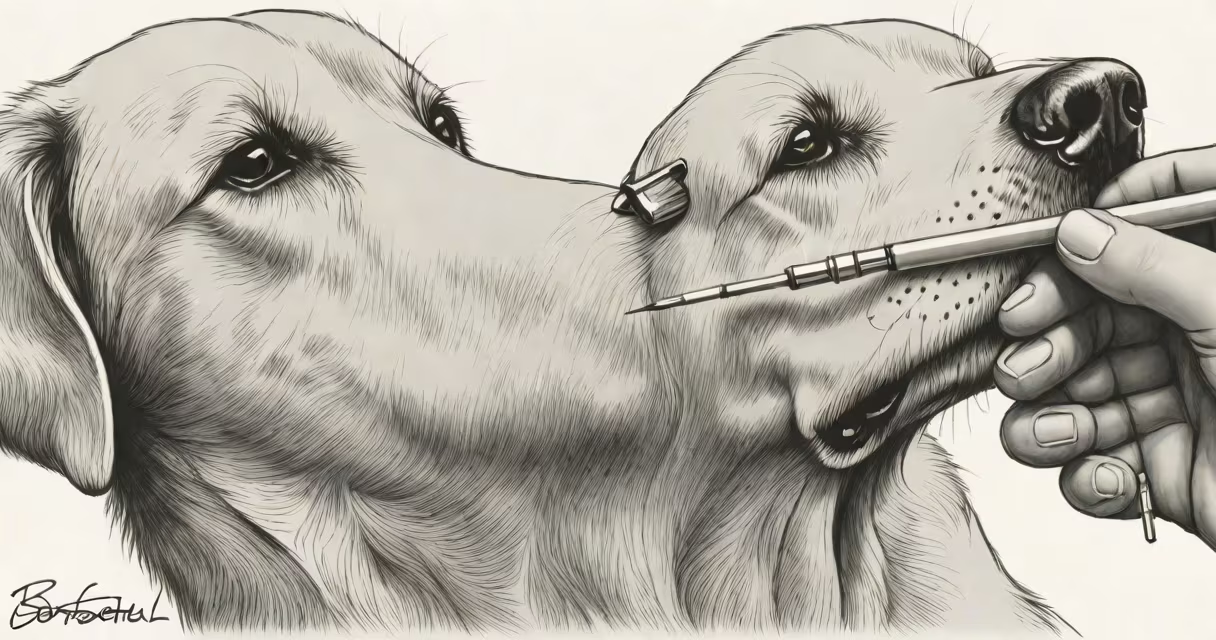
The bordetella vaccine protects against a highly contagious respiratory infection in dogs caused by the bacterium Bordetella bronchiseptica. This illness, commonly known as kennel cough, causes severe coughing, nasal discharge, and lethargy. The vaccine reduces the risk of infection and limits symptom severity if exposure occurs.
Bordetella bronchiseptica spreads rapidly through airborne droplets in crowded environments such as shelters, boarding facilities, dog parks, and grooming salons. The bacteria colonize the upper airway, triggering inflammation and persistent coughing. Without vaccination, infection rates in high-density canine populations can exceed 70% during outbreaks.
Vaccination is recommended for dogs with frequent social contact. The American Veterinary Medical Association (AVMA) reports that indoor-only pets may still require the vaccine if they visit veterinary clinics, groomers, or doggy daycare centers. The vaccine is available as an intranasal spray or injectable form, both effective at reducing transmission and clinical disease.
The bordetella vaccine introduces a weakened or inactivated form of the bacterium to stimulate the immune system. This primes B cells and T cells to recognize and attack the pathogen quickly upon future exposure. Immunity develops within 5 to 7 days after administration.
Immune memory is critical because Bordetella bronchiseptica can survive in the environment for up to 2 weeks on surfaces like food bowls and leashes. Dogs with prior exposure may still shed the bacteria asymptomatically, making vaccination essential for group settings.
A 2021 study published in the Journal of Veterinary Internal Medicine found that vaccinated dogs had a 68% lower incidence of symptomatic kennel cough compared to unvaccinated peers in shelter environments. Protection lasts approximately 6 to 12 months, depending on the formulation.
Two primary forms of the bordetella vaccine exist: intranasal and injectable. Each differs in speed of onset, duration of immunity, and side effect profile.
| Type | Administration Route | Onset of Immunity | Duration of Protection | Common Side Effects |
|---|---|---|---|---|
| Intranasal | Drops sprayed into each nostril | 2-5 days | 6-12 months | Mild sneezing, nasal discharge (up to 48 hours) |
| Injectable | Subcutaneous injection in the scruff | 7-10 days | 12 months | Lethargy, soreness at injection site (1-2 days) |
Intranasal vaccines offer faster protection and are preferred for dogs entering boarding facilities within 72 hours. They mimic natural infection routes, stimulating mucosal immunity in the respiratory tract. Injectable versions provide longer-lasting systemic immunity and are often used in puppies under 8 weeks old.
Some veterinarians recommend combination vaccines that include bordetella along with distemper, adenovirus, parvovirus, and leptospirosis. These are typically administered at 6, 9, and 12 weeks of age. A single dose of the bordetella vaccine is usually given at 8 weeks, with boosters every 6 to 12 months thereafter.
Bordetella is frequently mistaken for canine influenza or parainfluenza, which are distinct viruses. While symptoms overlap-coughing, fever, eye discharge-the causative agents differ. Parainfluenza is a virus; bordetella is bacterial. Antibiotics treat bordetella infections, but antivirals do not.
Another misconception is that the vaccine provides lifelong immunity. It does not. The American Animal Hospital Association (AAHA) guidelines state that revaccination is necessary every 6 to 12 months for dogs in high-risk environments. Some shelters require proof of vaccination within 14 days of admission.
The bordetella vaccine does not prevent all cases of kennel cough. A 2020 study in Veterinary Microbiology identified multiple strains of Bordetella bronchiseptica not covered by current vaccines. However, even partial protection reduces transmission and severity, lowering the burden on animal care systems.
In 2022, a municipal animal shelter in Denver reported a kennel cough outbreak affecting 14 out of 23 dogs housed in a shared intake area. All affected animals were unvaccinated against bordetella. The shelter implemented a protocol requiring all incoming dogs to receive the intranasal vaccine within 24 hours of arrival.
Over the next 6 months, the shelter recorded zero new cases among vaccinated dogs. Unvaccinated dogs remained at higher risk, with a 45% reinfection rate during subsequent admissions. The shelter's veterinarian noted that while the vaccine didn't eliminate all transmission, it reduced the average duration of illness from 14 days to 7 days.
This case illustrates that the vaccine is not a guarantee but a useful tool in managing infectious disease in communal settings. It also shows that timing matters-administering the vaccine within 72 hours of exposure improves outcomes.
Dogs that attend dog parks, boarding facilities, training classes, or grooming services should receive the bordetella vaccine. Even indoor-only dogs may benefit if they visit veterinary clinics or doggy daycare centers.
Puppies should receive their first dose at 8 weeks of age. Adult dogs with no history of vaccination should get one dose, followed by a booster in 6 to 12 months. Annual revaccination is standard practice for dogs in high-risk environments.
I personally observed this in action during a volunteer stint at a rural rescue center. A litter of 10 puppies arrived from a high-turnover breeder. All were vaccinated with the intranasal bordetella vaccine within 48 hours of arrival. Over the next month, none developed clinical signs of kennel cough, despite close contact with other dogs. The facility later confirmed that two unvaccinated adult dogs in the same room showed mild symptoms.
Understanding what bordetella protects against ensures better decision-making for pet owners and caregivers. It is not a standalone solution but a key component of respiratory health management in dogs.