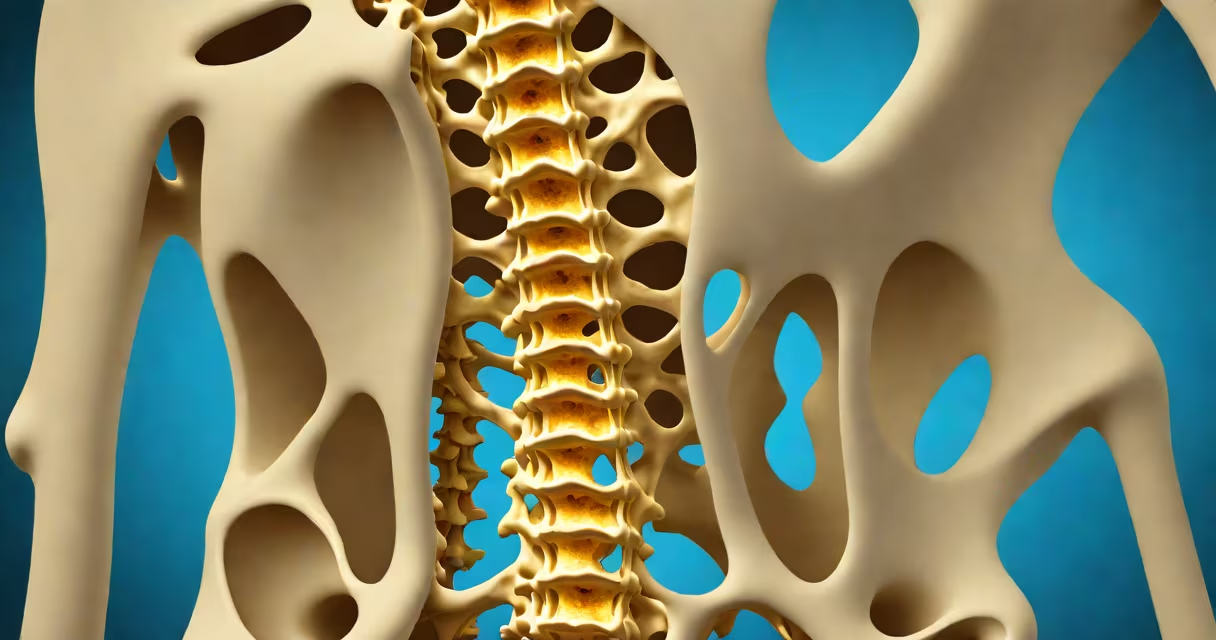
Osteoporosis thins and weakens bones, making them fragile and prone to fractures from minor falls or even everyday movements. It occurs when bone resorption outpaces bone formation, reducing mineral density and structural integrity.
Bone is living tissue that constantly remodels. Osteoblasts build new bone; osteoclasts break down old. In osteoporosis, this balance shifts. By age 30, peak bone mass is reached. After that, gradual loss begins. In osteoporosis, loss accelerates-up to 3% per year in postmenopausal women, according to the National Institutes of Health (NIH).
Without symptoms until a fracture occurs, osteoporosis silently erodes skeletal strength. A 2022 study in *The Journal of Bone and Mineral Research* found that 50% of people with osteoporosis report no prior pain or warning signs before their first fracture.
Bones lose calcium and collagen, becoming porous and brittle. Microscopic cracks form, weakening the internal lattice. This reduces resistance to compression and shear forces. Even standing or bending can cause vertebral compression fractures.
Vertebral fractures are common. A 2021 analysis from the International Osteoporosis Foundation reported that 1 in 3 women over 50 will suffer a spine fracture due to osteoporosis. These often go undiagnosed-up to 60% are missed on initial imaging because they mimic degenerative changes.
Fractures alter biomechanics. A collapsed vertebra shortens the spine, causing stooped posture (kyphosis). This reduces lung capacity and increases fall risk. One study showed patients with kyphosis had a 40% higher incidence of subsequent falls compared to those without.
Osteoporosis is classified as primary or secondary. Primary osteoporosis affects older adults and is linked to aging and hormonal decline. Secondary osteoporosis results from conditions like hyperparathyroidism, long-term corticosteroid use, or malabsorption disorders.
| Type | Onset Age | Primary Cause | Prevalence |
|---|---|---|---|
| Primary (Type I) | Postmenopausal (50-70) | Estrogen loss | ~70% of cases |
| Primary (Type II) | Age-related (>70) | Generalized bone loss | ~30% of cases |
| Secondary | Any age | Medication, disease, lifestyle | ~10-20% of cases |
Key risk factors include low body weight (BMI <20), smoking, excessive alcohol intake, and lack of weight-bearing exercise. A 2020 NIH study found that individuals who consumed less than 500 mg of dietary calcium daily had a 2.3 times higher fracture risk than those meeting recommended intake.
Osteoporosis is not simply "old bones." It's a disease with measurable thresholds. The World Health Organization defines it via T-score: a value ≤ -2.5 on a DEXA scan indicates osteoporosis. A score between -1.0 and -2.5 is osteopenia-low bone density but not yet osteoporosis.
Many confuse osteoporosis with arthritis. Arthritis involves joint inflammation and cartilage breakdown. Osteoporosis affects bone density and structure. A patient with both conditions may report joint pain and stiffness, but the root causes differ. Imaging reveals distinct patterns: joint space narrowing in arthritis, cortical thinning in osteoporosis.
A non-obvious fact: osteoporotic fractures heal slower. Due to reduced blood flow and impaired osteoblast function, healing time averages 12-16 weeks-longer than in healthy bone. This delays rehabilitation and increases hospital stay costs.
Consider Mary, a 68-year-old woman with a history of menopause and low vitamin D levels. She experienced no pain until she bent to pick up a laundry basket. A sudden back spasm led to a vertebral compression fracture. MRI confirmed a 30% height reduction in her T12 vertebra.
She was diagnosed with osteoporosis after a DEXA scan revealed a T-score of -3.1. Her doctor prescribed alendronate (a bisphosphonate), calcium supplements (1,200 mg/day), and vitamin D (800 IU/day). Within six months, her bone density improved by 2.1%, and she began a supervised resistance training program.
Without treatment, Mary's condition would likely progress. Repeated fractures increase disability risk. A 2023 study in *Osteoporosis International* found that patients with two or more fragility fractures had a 3.7-fold higher mortality rate within five years compared to those with none.
If you've had a fracture after a minor fall, or notice height loss, back pain, or a forward curve in your spine, consult a healthcare provider. Early detection through DEXA scanning prevents progression. The U.S. Preventive Services Task Force recommends screening for women aged 65 and older and men aged 70 and older.
Untreated osteoporosis leads to disability, chronic pain, and reduced independence. But early intervention improves outcomes. Treatment plans focus on strengthening bone, preventing falls, and restoring function.