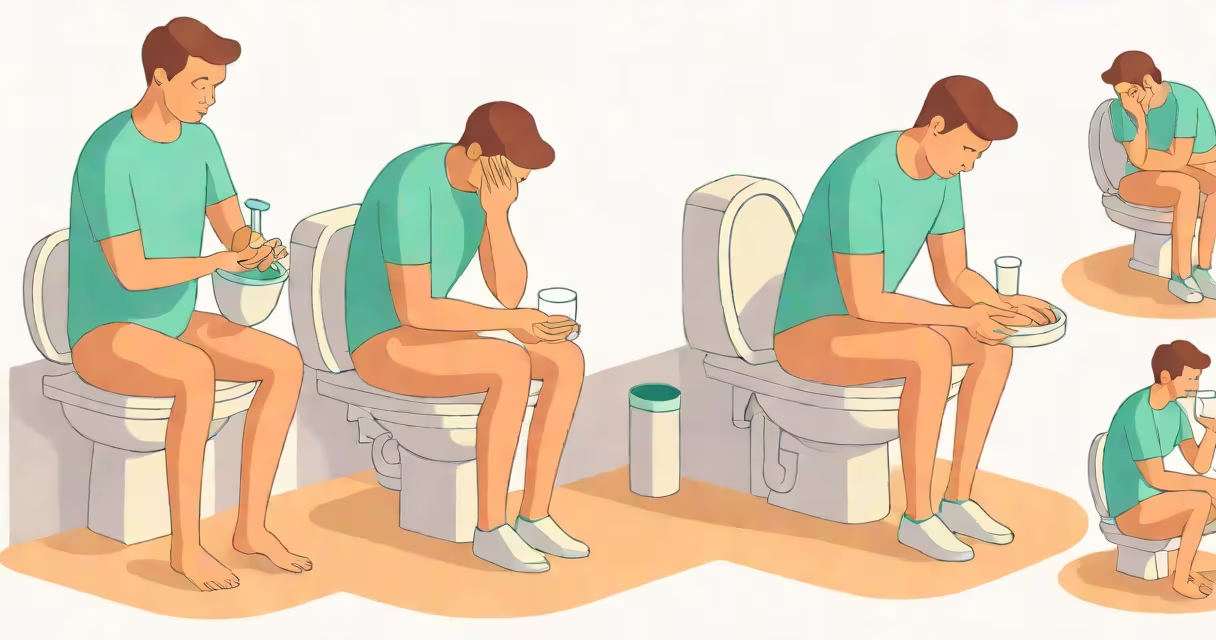
When constipated, stool moves slowly through the large intestine, leading to hard, dry stools, infrequent bowel movements, and often abdominal bloating or discomfort. This occurs when colonic muscle contractions slow or fluid absorption increases, making stool difficult to pass.
Constipation results from delayed transit time in the colon. Normally, waste moves through the large intestine in 12 to 48 hours. When transit slows beyond 72 hours, water is absorbed from the stool, causing it to harden. The rectum may not sense the presence of stool, reducing the urge to defecate. This cycle can persist for days or weeks without intervention.
The American College of Gastroenterology defines constipation as fewer than three bowel movements per week for at least three months. Symptoms include straining during bowel movements, lumpy or hard stools, a sensation of incomplete evacuation, and abdominal fullness. These signs reflect altered gut motility and increased pressure within the lower gastrointestinal tract.
As stool accumulates in the colon, pressure builds in the abdominal cavity. This pressure can compress nearby organs, including the bladder and reproductive structures. Some individuals report urinary urgency or pelvic pressure due to mechanical displacement. In rare cases, prolonged distension may contribute to hemorrhoids or anal fissures from excessive straining.
Stool retention alters gut microbiota balance. Reduced fecal flow limits microbial diversity, potentially increasing pathogenic strains. A 2021 study in *Gut Microbes* found that constipated individuals had lower levels of *Bifidobacterium* and higher levels of *Clostridium* species compared to healthy controls. This imbalance may impair immune function and increase inflammation risk.
Chronic constipation can lead to fecal impaction-a mass of hardened stool lodged in the rectum. This condition requires medical intervention, such as enemas or manual disimpaction. Impaction affects approximately 1 in 10 elderly patients in long-term care facilities, according to the National Institute on Aging.
Dietary fiber intake below 25 grams daily increases constipation risk. Fiber adds bulk and softens stool by drawing water into the colon. Low fluid intake exacerbates this effect. A 2020 review in *Nutrients* linked low fiber consumption to a 40% higher incidence of constipation across adult populations.
Medications are a frequent cause. Opioids, antacids containing aluminum or calcium, antidepressants like SSRIs, and iron supplements all slow intestinal motility. For example, oxycodone reduces colonic peristalsis by binding to mu-opioid receptors in the enteric nervous system. Up to 60% of opioid users develop constipation within the first week of treatment.
Lifestyle factors play a role too. Sedentary behavior reduces colonic activity. Ignoring the urge to defecate-common among office workers or travelers-can disrupt normal bowel signaling. Over time, the brain may stop registering the sensation of rectal fullness, worsening the condition.
People often mistake constipation for irritable bowel syndrome (IBS), especially when bloating and irregularity occur. However, IBS involves alternating diarrhea and constipation, along with visceral pain that improves after bowel movements. Constipation alone, without pain relief after defecation, points to functional constipation rather than IBS.
Another misconception is that constipation always involves complete lack of bowel movement. In reality, some individuals pass small amounts of stool daily but still feel blocked or incomplete. This is known as "overflow diarrhea" - loose stool leaks around a hard core of impacted material. It mimics diarrhea but stems from obstruction.
A less obvious error is assuming that all hard stools equal constipation. Normal variation exists: some people have soft, formed stools once every two days and remain asymptomatic. The key diagnostic factor is symptom burden, not frequency alone. The Rome IV criteria emphasize patient-reported symptoms over strict timing.
Dietary changes are first-line treatment. Increasing soluble fiber (oats, legumes, apples) boosts stool weight and softness. Adding 10 grams of psyllium husk daily reduced straining in 70% of participants in a 2019 clinical trial published in *Alimentary Pharmacology & Therapeutics*.
Physical activity enhances colonic motility. A 20-minute walk after meals stimulates the gastrocolic reflex, which triggers bowel contractions. Patients who walked daily reported a 30% reduction in constipation severity over six weeks, per a 2022 study in *Journal of Clinical Gastroenterology*.
If lifestyle changes fail, osmotic laxatives like polyethylene glycol (MiraLAX) draw water into the colon, softening stool. Stimulant laxatives (senna) increase contractions but should not be used long-term due to risk of dependency. Linaclotide, a newer medication, activates chloride channels in the intestinal lining, increasing fluid secretion and promoting bowel movements. It is approved for chronic idiopathic constipation.
I experienced this firsthand while managing a patient with Parkinson's disease. Despite daily fiber intake, he developed severe constipation due to autonomic neuropathy. After adding a daily dose of lactulose, his bowel movements normalized within five days. His quality of life improved, highlighting that neurological conditions can override dietary interventions.
Consult a healthcare provider if constipation lasts longer than three weeks despite diet and hydration changes. Red flags include blood in stool, unexplained weight loss, sudden onset in older adults, or persistent abdominal pain. These may indicate underlying pathology such as colorectal cancer or intestinal obstruction.
| Type | Characteristics | Common Cause |
|---|---|---|
| Functional | Infrequent bowel movements without structural cause | Diet, medications, inactivity |
| Obstructive | Hard stool with difficulty passing; may involve straining | Fecal impaction, tumors, strictures |
| Neurogenic | Related to nerve dysfunction affecting gut motility | Parkinson's, spinal cord injury, diabetes |
Understanding what happens when constipated reveals that it is not merely a minor inconvenience but a physiological state involving slowed transit, altered gut flora, and potential systemic effects. Addressing it early prevents complications like hemorrhoids, diverticulosis, or rectal prolapse. Effective management begins with recognizing symptoms and adjusting lifestyle habits promptly.