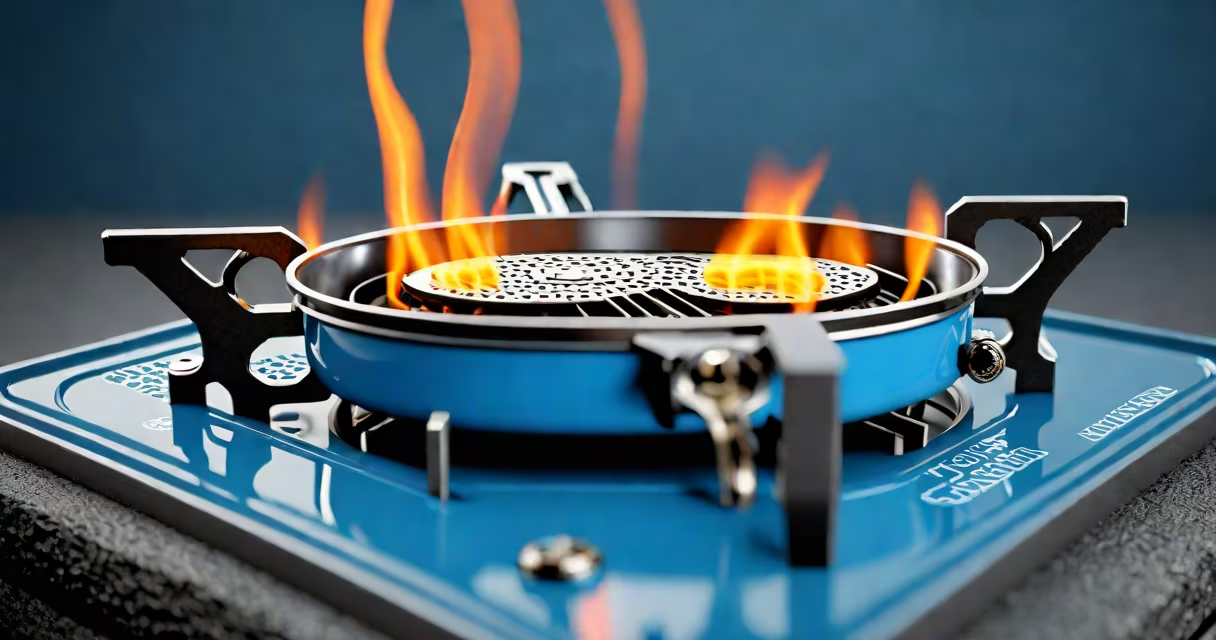
Liquefied petroleum gas (LPG) is a flammable hydrocarbon mixture primarily composed of propane and butane, stored under pressure as a liquid. It serves as a clean-burning fuel for heating, cooking, transportation, and industrial processes. Its portability and high energy density make it ideal for off-grid and mobile applications.
LPG is derived from natural gas processing and petroleum refining. During extraction, propane and butane are separated from raw natural gas or crude oil. These gases remain gaseous at atmospheric pressure but liquefy under moderate pressure, enabling efficient storage and transport in steel cylinders or tankers. This phase change allows roughly 270 times more volume to be stored in a single container compared to gaseous form.
The U.S. Energy Information Administration reports that over 60 million households in the United States use LPG for space heating and cooking. Globally, LPG accounts for about 10% of total energy consumption in developing nations, especially where grid electricity is unreliable or unavailable. It's particularly common in rural areas of Sub-Saharan Africa and South Asia, where it replaces biomass fuels like wood and dung.
LPG powers many everyday systems. Its versatility stems from consistent combustion, low emissions, and ease of regulation via valves and regulators. The most widespread applications include residential heating, cooking, and water heating.
Propane is the dominant component in North America due to its availability from domestic shale gas production. Butane dominates in colder climates and in consumer-grade portable stoves because it vaporizes more easily at lower temperatures. A standard 20-pound propane cylinder holds about 4.7 gallons of liquid propane, which translates to approximately 430,000 British Thermal Units (BTUs) of energy-enough to run a typical home furnace for 12 hours.
Industrial applications include metal cutting and welding, where LPG provides a stable, high-temperature flame. In manufacturing, it heats ovens and kilns. In agriculture, LPG powers grain dryers and greenhouse heaters. According to the International Energy Agency, LPG use in food processing rose by 18% between 2015 and 2022, driven by demand for clean, controllable heat in small-scale facilities.
| Application | Primary Component | Energy Output (per kg) | Typical Use Case |
|---|---|---|---|
| Residential cooking | Propane | 46.4 MJ/kg | Stove, grill, oven |
| Portable camping stoves | Butane-propane mix | 45.5 MJ/kg | Backpacking, emergency kits |
| Automotive fuel | Propane | 46.3 MJ/kg | Bus fleets, delivery vans |
| Industrial cutting | Propane | 46.4 MJ/kg | Plasma torches, oxy-fuel cutting |
A common misconception is that LPG is interchangeable with natural gas. While both are hydrocarbons, natural gas is primarily methane and is delivered through pipelines. LPG requires pressurized containers and cannot be used directly in natural gas appliances without conversion. A propane-powered barbecue designed for 20-pound cylinders won't function on a natural gas line without a regulator and orifice adjustment.
Another misunderstanding is that LPG is inherently dangerous. While flammable, LPG is less dense than air when released, so it rises and disperses quickly rather than pooling near the ground like heavier gases. This behavior reduces explosion risk in open spaces. However, in enclosed areas such as basements or garages, accumulation can occur. The American Gas Association notes that proper ventilation and leak detection reduce incident rates by over 90% in certified installations.
In 2021, the Kenyan government launched a national LPG adoption program targeting 1.2 million households in off-grid regions. The initiative replaced traditional kerosene lamps and open fires with LPG stoves. Each household received a subsidized 5kg cylinder and a safety training session.
Field data from the World Bank showed that participants reduced indoor air pollution by 76% and cut cooking time by 40%. Women reported spending 1.8 fewer hours per week collecting firewood. Over three years, the program prevented an estimated 1,200 respiratory illnesses annually and reduced deforestation in targeted zones by 15%.
This case demonstrates how LPG supports both health and environmental goals. It also highlights a key limitation: access depends on distribution infrastructure. In remote villages, delivery trucks may visit once every two weeks, requiring careful inventory management.
Some assume LPG is a renewable resource. It is not. Propane and butane come from fossil fuel extraction. However, LPG can be produced from biogas via upgrading processes that remove carbon dioxide and sulfur compounds. These "renewable LPG" streams are emerging in Europe and Canada, but they currently represent less than 2% of global supply.
Another error is equating LPG with butane. While butane is a major constituent, commercial LPG is typically a blend. In the U.S., LPG contains 60-70% propane and 30-40% butane. In tropical regions, butane content can exceed 50% due to higher ambient temperatures favoring its vaporization. Using a butane-only cylinder in winter below −10°C results in poor performance, as butane fails to vaporize effectively.
I once tested a portable LPG heater during a winter camping trip in northern Minnesota. The unit failed to ignite after 15 minutes despite a full tank. Upon inspection, the butane had condensed into liquid, preventing vapor flow. Switching to a propane-rich refill restored function. This experience confirmed that temperature affects LPG performance-and that not all LPG is equal in cold conditions.
LPG emits less carbon dioxide per unit of energy than coal or gasoline. According to the U.S. Environmental Protection Agency, propane produces 11.5 kg of CO₂ per gigajoule, compared to 76 kg for coal and 58 kg for diesel. This makes it a lower-carbon alternative for transitional energy needs.
However, LPG leaks contribute to ground-level ozone formation. Methane is a stronger greenhouse gas than CO₂, but propane and butane degrade faster in the atmosphere. Still, uncontrolled releases during refueling or equipment failure can increase local air pollution. The EPA mandates leak testing for all commercial LPG stations every six months.
For personal safety, always store LPG cylinders upright in well-ventilated areas away from direct sunlight. Never leave a cylinder indoors or in a vehicle during hot weather. Use a soap-and-water solution to check for leaks-bubbles indicate a breach. If detected, shut off the valve, move outdoors, and contact a professional.
When choosing fuel, consider the context. For permanent homes with gas lines, natural gas is often cheaper. For remote cabins, RVs, or temporary setups, LPG offers flexibility. In industrial settings, LPG competes with diesel and electricity. The decision hinges on cost, availability, and emission targets.