High histamine levels occur when the body produces too much histamine, fails to break it down efficiently, or consumes large amounts through diet. This imbalance can trigger allergic-like reactions, digestive issues, and fatigue. Histamine is a neurotransmitter and immune signaling molecule involved in inflammation, digestion, and sleep regulation.
When histamine accumulates beyond normal clearance, it binds to receptors throughout the body-particularly H1 and H2 receptors-leading to symptoms such as flushing, headaches, itching, nasal congestion, and gastrointestinal distress. These effects are central to conditions like histamine intolerance and mast cell activation syndrome (MCAS).
The body maintains histamine balance through two primary processes: synthesis and degradation. Histamine is synthesized from the amino acid histidine by the enzyme histidine decarboxylase, primarily in immune cells like mast cells and basophils. It's released during immune responses, particularly in allergic reactions.
After release, histamine is broken down mainly by two enzymes: diamine oxidase (DAO) in the gut and histamine N-methyltransferase (HNMT) in tissues and the brain. DAO is responsible for clearing dietary histamine, while HNMT handles intracellular histamine. Deficiencies in either enzyme reduce clearance capacity, leading to elevated levels.
A 2021 study published in *Frontiers in Immunology* found that individuals with histamine intolerance often have reduced DAO activity, with some showing serum DAO levels below 10 U/mL-well below the normal range of 20-60 U/mL. This deficiency impairs the ability to process histamine from food, especially aged or fermented products.
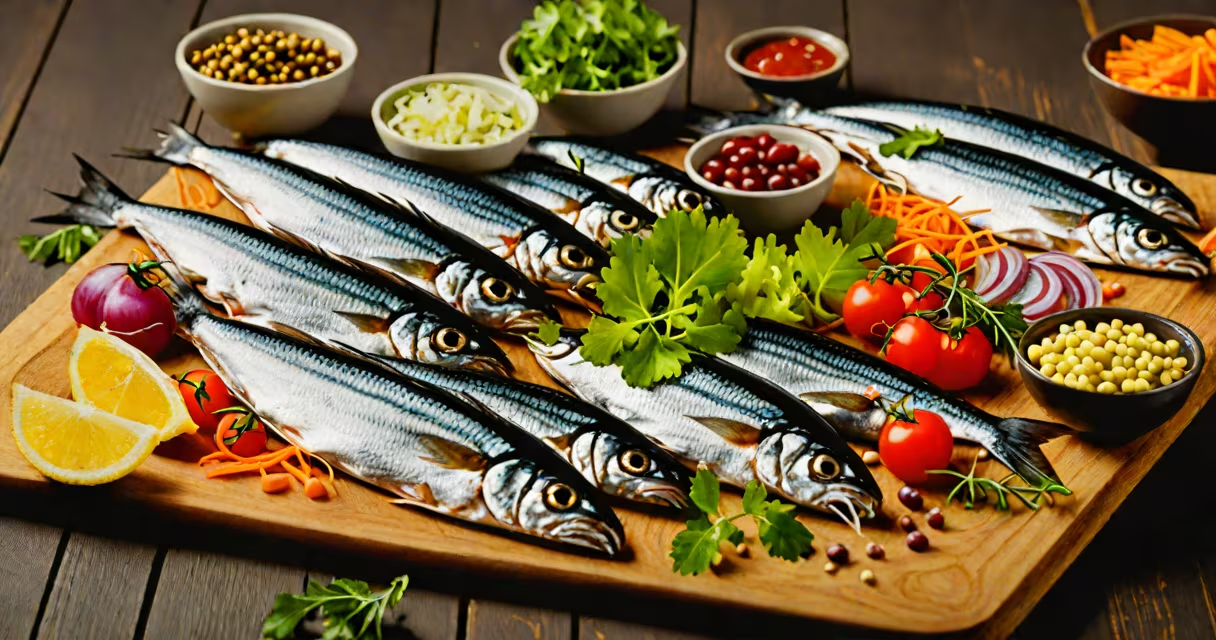
Several factors contribute to high histamine levels. The most frequent include dietary intake, impaired enzymatic breakdown, and chronic immune activation. Foods high in histamine include aged cheeses, cured meats, fermented vegetables, alcohol, and certain fish like tuna and mackerel. A single serving of aged cheddar can contain up to 150 mg of histamine-enough to overwhelm someone with low DAO activity.
Other contributors include gut dysbiosis, which alters microbial populations that normally metabolize histamine. Some bacteria, like *E. coli* and *Lactobacillus*, produce histamine, while others consume it. An imbalance favoring histamine-producing strains increases systemic load. Research in *Gut Microbes* (2020) linked small intestinal bacterial overgrowth (SIBO) to increased histamine levels in patients with irritable bowel syndrome.
Mast cell activation disorders also drive excessive histamine release. In MCAS, mast cells degranulate uncontrollably in response to triggers ranging from stress and infections to environmental allergens. A 2022 review in *Journal of Allergy and Clinical Immunology* reported that 70% of MCAS patients had elevated urinary methylhistamine, a stable metabolite used to confirm histamine overproduction.
There are three main pathways to high histamine levels:
Some medications interfere with histamine metabolism. Antidepressants like SSRIs (e.g., fluoxetine) and antipsychotics (e.g., risperidone) inhibit HNMT. NSAIDs such as ibuprofen reduce DAO activity. Even common drugs like metformin and aspirin have been associated with histamine intolerance in clinical reports.
Environmental triggers include mold exposure, insect stings, and temperature changes. A 2019 case series in *Allergy and Asthma Proceedings* documented flare-ups in patients with MCAS triggered by cold weather and air pollution. These stimuli activate mast cells independently of IgE, leading to spontaneous histamine release.
Many confuse high histamine levels with typical allergies. While both involve histamine, allergic reactions are IgE-mediated and occur rapidly upon exposure. Histamine intolerance results from cumulative exposure and metabolic insufficiency, with delayed onset-symptoms may appear hours after eating.
Another misconception is that all histamine-rich foods cause problems. Not everyone reacts. A person with normal DAO function can eat aged cheese without issue. But someone with a genetic variant in the *DAO* gene (rs1049742) may experience severe symptoms. A 2023 study in *Nutrients* showed that carriers of this SNP had a 3.2-fold higher risk of histamine intolerance.
Histamine is not the same as serotonin. Though both are biogenic amines, they serve different roles. Serotonin regulates mood and bowel motility; histamine drives inflammation and immune response. Confusing them leads to incorrect dietary choices-such as avoiding bananas (high in serotonin) when the real issue is histamine.
Consider a 38-year-old woman presenting with daily migraines, bloating, and flushing after meals. She reports worsening symptoms after dining out. Blood tests show normal IgE levels, ruling out classical allergy. Urinary methylhistamine is elevated at 120 nmol/mmol creatinine (normal < 60). Her DAO activity is 8 U/mL-below the threshold for functional clearance.
She eliminates aged cheese, wine, and smoked salmon. Within two weeks, her migraines decrease by 70%, and bloating resolves. She begins supplementing with DAO enzymes before meals. After six weeks, her symptoms are minimal. This case illustrates how dietary triggers and enzyme deficiency combine to improve histamine levels.
Managing high histamine levels involves identifying triggers and supporting clearance. A low-histamine diet excludes aged, fermented, and processed foods. Fresh meat, eggs, most fruits and vegetables, and freshly cooked grains are safe options. Keeping a food and symptom diary helps track patterns.
Supplemental DAO enzymes taken before meals can improve tolerance to moderate-histamine foods. Probiotics containing *Bifidobacterium infantis* and *Lactobacillus rhamnosus* have shown promise in reducing histamine-producing bacteria in the gut, according to a 2021 trial in *Clinical Nutrition ESPEN*.
Environmental factors like high levels of ozone can exacerbate respiratory symptoms in sensitive individuals. Ozone exposure increases oxidative stress and may amplify histamine-related inflammation, particularly in people with pre-existing conditions. Monitoring local air quality during flare-ups can provide useful context.
Understanding what makes histamine levels high allows targeted intervention. It's not a one-size-fits-all condition. Success depends on identifying personal triggers, addressing enzyme deficiencies, and adjusting lifestyle and diet accordingly.