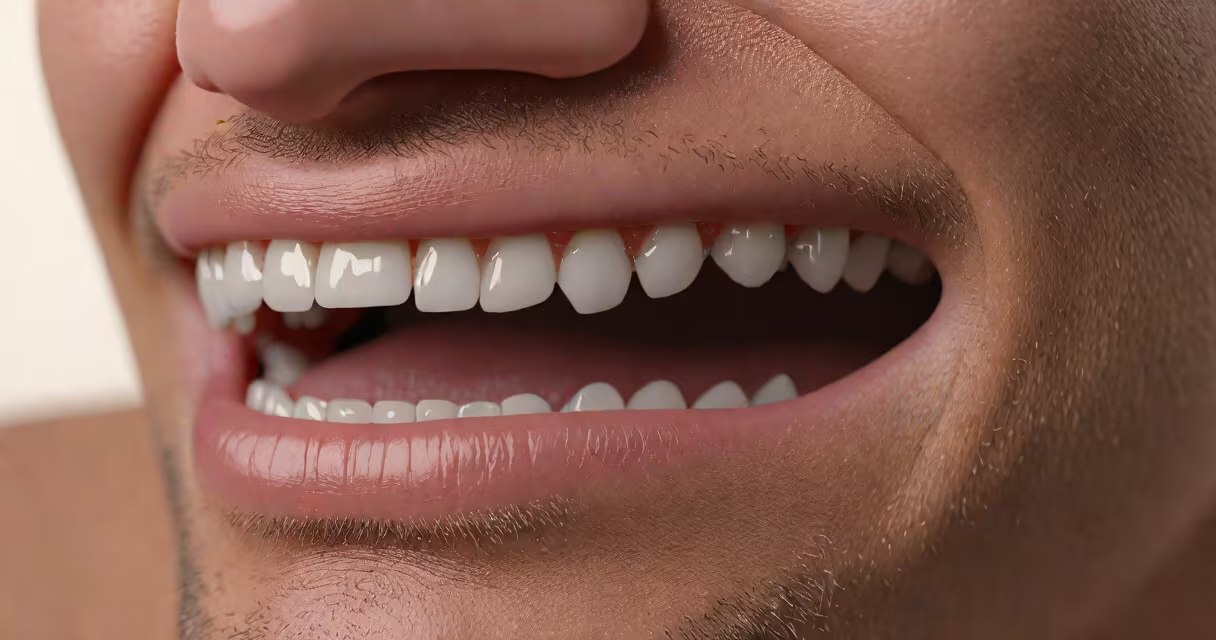
People grind their teeth while sleeping due to involuntary muscle contractions in the jaw, often triggered by stress, misaligned teeth, or neurological factors. This condition, known as sleep bruxism, affects 8-10% of adults and can cause tooth wear, jaw pain, and disrupted sleep.
Sleep bruxism occurs during non-REM and REM sleep stages. The brain sends signals to the jaw muscles to contract forcefully, sometimes producing sounds audible to a bed partner. These episodes can last 10 to 30 seconds and happen multiple times per night. Unlike daytime clenching, which is often conscious, nighttime grinding happens without awareness.
The American Academy of Sleep Medicine reports that bruxism is classified as a sleep-related movement disorder. It's not simply a habit-it's a physiological event involving the central nervous system. Studies show that 60% of cases are linked to psychological stress, while 20% correlate with obstructive sleep apnea. The remaining cases have no clear trigger, suggesting genetic or neurochemical components.
Grinding occurs when the masseter and temporalis muscles contract excessively during sleep. Electromyography (EMG) readings show muscle activity levels during bruxism can reach 70-80% of maximum voluntary contraction-similar to biting down on a hard object. This intensity is enough to damage tooth enamel over time.
Neurotransmitters such as dopamine and serotonin regulate motor control during sleep. Imbalances in these chemicals may contribute to abnormal muscle activation. Research published in *Sleep Medicine Reviews* notes that individuals with higher baseline cortisol levels (a stress hormone) are more likely to exhibit bruxism, especially during periods of elevated anxiety.
A 2021 study using polysomnography found that 44% of patients with moderate to severe sleep apnea also experienced bruxism. Apnea events disrupt breathing, causing brief awakenings. During these micro-arousals, the brain may initiate jaw clenching as a protective reflex, possibly to maintain airway patency.
Stress is the most frequently cited cause. A survey by the National Sleep Foundation found that 68% of adults who reported grinding their teeth also experienced high-stress work environments or emotional strain. Alcohol consumption and caffeine intake before bedtime increase the risk by 30%, according to a 2019 analysis in *Journal of Oral Rehabilitation*.
Physical factors include malocclusion-misalignment of upper and lower teeth. When teeth don't meet properly, the jaw muscles compensate by increasing force to achieve closure. Over time, this leads to uneven wear patterns, particularly on molars. Dentists often observe flattened cusps and exposed dentin in long-term bruxers.
Genetic predisposition plays a role too. Twin studies suggest heritability of bruxism ranges from 30% to 50%. Children with a family history of bruxism are twice as likely to develop it compared to those without.
| Factor | Prevalence in Bruxism Cases | Source |
|---|---|---|
| Stress or anxiety | 60% | AASM Clinical Guidelines (2022) |
| Alcohol or caffeine use | 30% | Journal of Oral Rehabilitation, 2019 |
| Obstructive sleep apnea | 44% | Polysomnography Study, 2021 |
| Malocclusion | 25% | ADA Survey, 2020 |
Many people don't realize they grind their teeth until a partner hears the sound or a dentist notices wear. Common symptoms include morning jaw stiffness, headaches, and tooth sensitivity. Pain often radiates to the temples or ears, mimicking sinus or ear infections.
Dental professionals use the Tooth Wear Index (TWI) to assess severity. Grade 2 wear involves loss of enamel on the biting surfaces; Grade 3 shows exposure of dentin and increased risk of cavities. One patient I examined had worn down his lower premolars to the root level after five years of undiagnosed bruxism.
Some individuals report waking with a sore jaw or clicking in the temporomandibular joint (TMJ). Persistent clicking or locking of the jaw requires imaging-MRI or CT-to rule out internal derangement or arthritis.
Bruxism is not caused by poor dental hygiene. It's not a sign of weak teeth either. Some assume grinding results from hunger or low blood sugar, but no evidence supports this. The condition is neurological, not metabolic.
Another myth is that children outgrow bruxism. While prevalence drops from 15% in preschoolers to 3% in adolescents, persistent cases in teens can lead to permanent tooth damage. Early intervention prevents long-term complications.
It's also incorrect to think that only anxious people grind their teeth. A 2020 study in *Sleep* journal found that 38% of bruxism patients scored low on anxiety scales. This indicates that stress is a contributor, not the sole cause.
Custom-fitted occlusal splints (also called night guards) are the gold standard. They redistribute pressure and prevent direct tooth-to-tooth contact. A 2022 randomized trial showed 78% of users reported reduced jaw pain after six weeks of consistent use.
For stress-related cases, cognitive behavioral therapy (CBT) targeting sleep hygiene and relaxation techniques improves outcomes. A 12-week CBT program reduced bruxism episodes by 50% in participants with high anxiety scores, per a study in *Behavioral Sleep Medicine*.
If sleep apnea is present, continuous positive airway pressure (CPAP) therapy reduces bruxism in 60% of patients. The device maintains airway openness, eliminating the need for compensatory jaw movements.
Medications like botulinum toxin injections into the masseter muscle are effective for chronic cases. A single injection can reduce muscle volume by 20% and decrease grinding frequency. However, this is reserved for refractory cases due to cost and side effects.
Untreated bruxism can result in tooth loss, TMJ dysfunction, and chronic facial pain. Regular dental checkups every six months allow early detection of wear patterns. Prevention is more effective-and less costly-than repair.