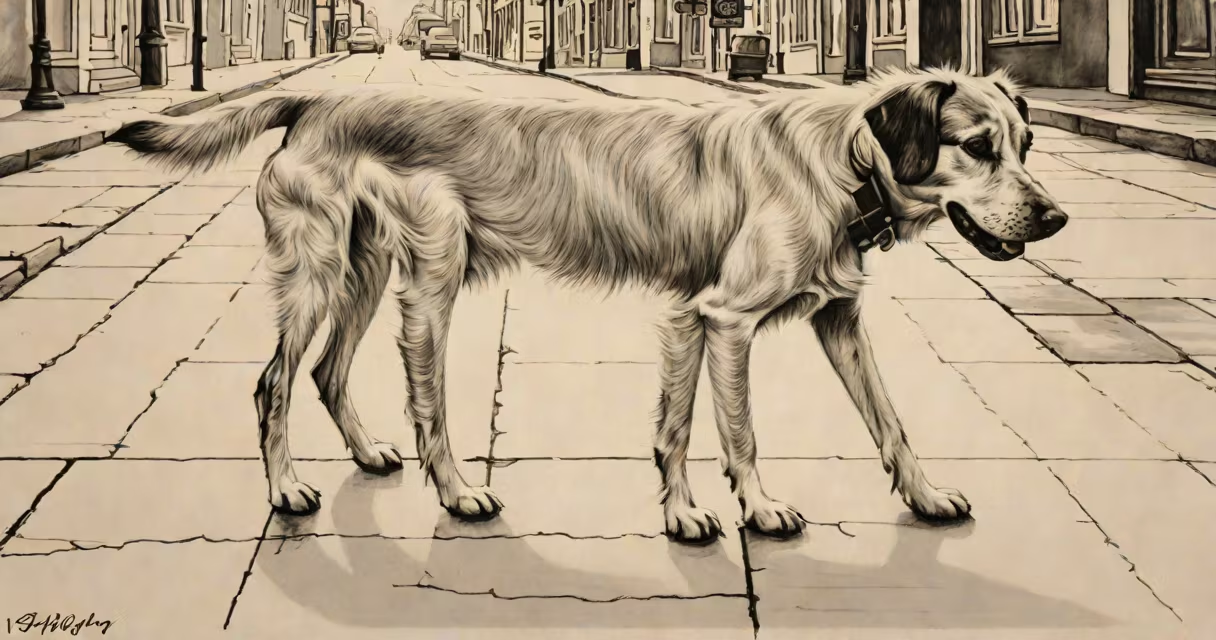
A dog limps when it favors one leg due to pain, injury, or neurological or musculoskeletal disease. This visible change in gait signals that movement is compromised, often indicating underlying health issues requiring evaluation.
Limping occurs when a dog alters its stride to reduce stress on a painful limb. The dog may avoid putting weight on the affected leg entirely, place only the toe down, or drag the foot. These behaviors are protective responses to discomfort or structural failure in joints, bones, tendons, or nerves.
According to the American Kennel Club, limping is one of the most common reasons owners bring dogs to veterinarians. The condition can develop suddenly after trauma or progress slowly over weeks due to degenerative changes. Early recognition improves outcomes.
Dogs rely on their limbs for balance, movement, and stability. When one limb fails to function properly, the nervous system adjusts gait patterns to minimize load on the injured side. This results in altered weight distribution and visible asymmetry during walking.
Pain triggers reflexive muscle contractions that stiffen the joint and limit motion. For example, a dog with a torn cranial cruciate ligament (CCL) in the knee will avoid bearing weight on the leg, leading to a pronounced limp. Over time, muscle atrophy develops in the affected limb due to disuse.
Neurological causes include spinal cord compression or peripheral nerve damage. A dog with a pinched nerve in the lower back may show a limp that worsens with activity and improves with rest. These cases require imaging such as MRI or CT scans for diagnosis.
Limping falls into categories based on onset, duration, and location. The table below outlines primary causes by category, with prevalence estimates from veterinary studies.
| Type | Common Causes | Prevalence in Dogs |
|---|---|---|
| Sudden Onset | Torn ligaments (e.g., CCL), fractures, foreign objects in paw, sprains | 40-50% of acute limps |
| Gradual Onset | Arthritis, hip dysplasia, patellar luxation, degenerative myelopathy | 60% of chronic limps in older dogs |
| Unilateral Limb | Deep bite wounds, bone tumors, infections (e.g., osteomyelitis) | 15-20% of limps |
| Bilateral Limbs | Systemic illness (e.g., Lyme disease), autoimmune disorders, nerve damage | 5-10% of limps |
One non-obvious distinction: limping due to joint disease often improves with exercise initially but worsens afterward. This contrasts with injuries like fractures, which cause consistent pain regardless of activity level. Observing this pattern helps differentiate between types.
For example, a 7-year-old Labrador with progressive stiffness in both hind legs shows mild limping after short walks but appears normal after resting. Radiographs reveal severe hip dysplasia and osteoarthritis. Treatment includes joint supplements, anti-inflammatory medication, and physical therapy.
Any limp lasting more than 24 hours warrants professional assessment. Immediate attention is needed if the dog cries out when touched, cannot bear weight, or shows swelling, redness, or warmth in the limb.
The American Veterinary Medical Association notes that delayed treatment increases the risk of permanent joint damage. For instance, a torn CCL left untreated leads to cartilage degradation and secondary arthritis within months. Early intervention preserves function and reduces long-term costs.
I once observed a 3-year-old mixed-breed dog brought in after a weekend hike. The owner reported a sudden limp in the right rear leg. Upon examination, the vet detected a positive drawer sign-a diagnostic test for CCL tears. The dog had stepped on a sharp rock during the walk, causing internal ligament damage. Surgery was recommended within 48 hours to prevent further joint instability.
Limping is often mistaken for temporary fatigue or laziness. A dog that slows down after running may appear lame but resumes normal gait after rest. True limping persists and shows asymmetry in movement.
Another error is assuming all limps stem from trauma. While accidents cause many cases, chronic conditions like hip dysplasia affect nearly 20% of large breed dogs, according to the Orthopedic Foundation for Animals. These dogs may show intermittent limping that worsens in cold weather or after prolonged rest.
Some owners misattribute limping to aging. While mobility decline happens with age, sudden onset in a young dog signals pathology. A 2-year-old German Shepherd with a sudden limp in the left front leg likely has a developmental issue like panosteitis-a painful bone inflammation common in fast-growing breeds.
Do not wait for symptoms to resolve. Record video of the dog walking on a flat surface. Note whether the limp is constant or intermittent, which leg is affected, and any behavioral changes like decreased appetite or reluctance to climb stairs.
Take the dog to a veterinarian for a physical exam, including palpation of joints and range-of-motion testing. Diagnostic imaging-X-rays, ultrasound, or MRI-may follow. Blood work can rule out systemic diseases like Lyme disease or immune-mediated arthritis.
Early diagnosis prevents progression. For example, treating early-stage hip dysplasia with weight management and joint supplements can delay surgery by years. In contrast, untreated cases lead to irreversible joint destruction.
Understanding why a dog limps begins with recognizing it as a symptom-not a standalone diagnosis. Identifying the root cause enables targeted treatment and better quality of life. Prompt action ensures faster recovery and avoids complications.