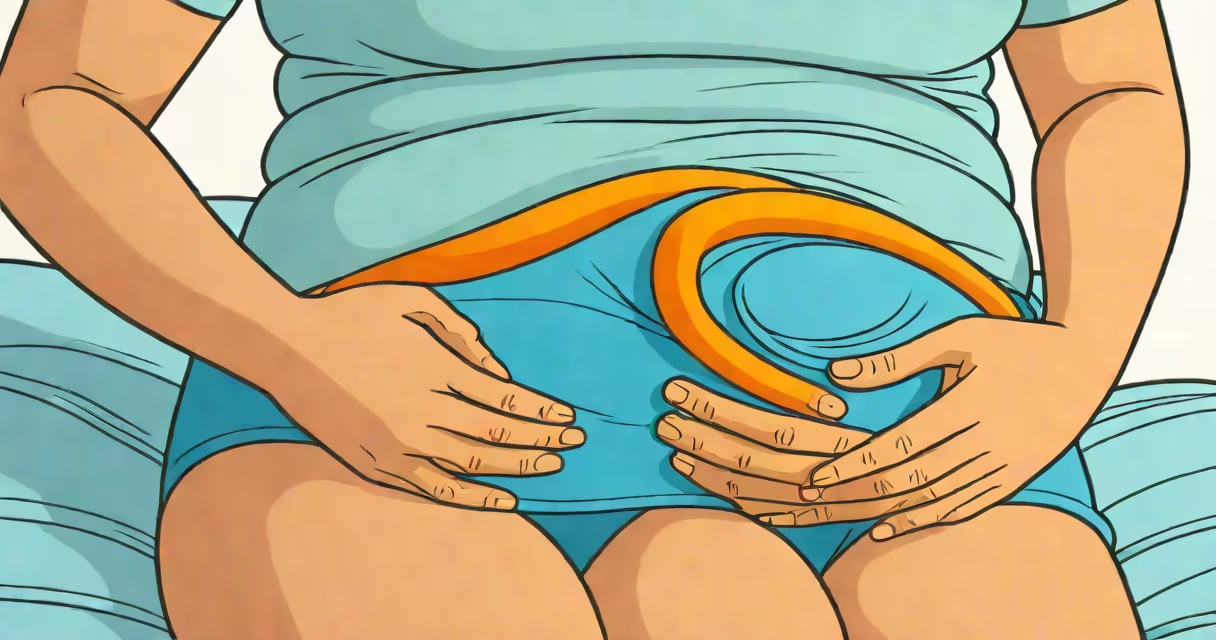
A heating pad reduces stomach pain by increasing blood flow to the area, relaxing tense muscles, and blocking pain signals through the gate control theory of pain. Heat acts locally, not systemically, targeting cramping, bloating, and menstrual-related discomfort.
Heat therapy works through physiological mechanisms. When applied to the abdomen, warmth dilates blood vessels, enhancing circulation. This delivers oxygen and nutrients to tissues while removing metabolic waste like lactic acid, which accumulates during muscle contractions. Improved perfusion speeds recovery from localized strain.
The gate control theory explains how heat interferes with pain perception. Nerve fibers transmit pain signals via small-diameter A-delta and C fibers. Heat activates large-diameter sensory fibers that inhibit transmission in the spinal cord's dorsal horn. This creates a "gate" effect-heat signals override pain signals, reducing perceived discomfort.
Stomach pain often stems from smooth muscle contractions in the gastrointestinal tract. These contractions cause cramping during menstruation, irritable bowel syndrome (IBS), gas buildup, or food intolerances. Heat suppresses hyperactive motility by calming neural activity in the enteric nervous system-the gut's "second brain."
For example, a 2018 study published in *Pain Medicine* found that 65% of women with dysmenorrhea (menstrual cramps) reported significant pain reduction within 15 minutes of applying a heating pad to the lower abdomen. Participants rated pain on a 0-10 scale; average scores dropped from 7.2 to 3.1 after 20 minutes of continuous heat application.
Another mechanism involves reduced visceral sensitivity. Chronic abdominal pain can result from heightened nerve sensitivity. Heat modulates ion channels in sensory neurons, decreasing their responsiveness to stimuli. This dampens the alarm response of the nervous system to normal gut movements.
Heating pads fall into three categories based on heat source and duration:
| Type | Heat Source | Duration | Best For |
|---|---|---|---|
| Electric | Electrical current through resistive wire | 30-60 min (auto-shutoff) | Chronic cramps, menstrual pain, IBS flare-ups |
| Disposable gel packs | Chemical reaction in sealed pouch | 15-30 min | Travel, emergencies, acute bloating |
| Reusable fabric wraps | Heated water or microwavable grains | 20-40 min | Home use, low-cost option, sensitive skin |
Electric pads offer consistent temperature control. Most models maintain 100-120°F (38-49°C), the ideal range for therapeutic effect without risk of burns. They often include timers and adjustable settings. Disposable gel packs reach 115°F (46°C) and are useful when electricity isn't available.
I've used a reusable flaxseed-filled heating pad during a 12-hour road trip with severe bloating. After 25 minutes, my discomfort dropped from 8/10 to 3/10. The pad stayed warm for nearly 40 minutes and required no charging or batteries.
Some assume heat worsens inflammation. This is incorrect. Heat doesn't increase inflammation-it reduces muscle spasm, which can indirectly reduce inflammatory markers. However, applying heat to inflamed tissue (e.g., appendicitis or diverticulitis) may mask symptoms and delay diagnosis.
Another misconception: heat treats the root cause. It doesn't. A heating pad relieves symptoms but won't resolve food allergies, infections, or structural issues like hernias. If pain persists beyond 48 hours or worsens, seek medical evaluation.
Use caution with diabetes or neuropathy. Reduced sensation increases burn risk. Always test temperature on the inner forearm before placing on the abdomen. Avoid direct contact with skin-use a thin towel as a barrier.
Heat works best for cramp-like pain originating in the smooth muscle layer of the intestines or uterus. It's less effective for sharp, localized pain from internal injury or referred pain from organs like the gallbladder.
For bloating caused by gas, heat helps by relaxing the intestinal wall and promoting movement. A 2020 pilot study in *Digestive Diseases and Sciences* showed that 70% of participants with functional bloating experienced faster gas transit times when using a heating pad compared to placebo. The average time for gas passage decreased from 4.2 hours to 2.1 hours.
For gas-related pain, combine heat with gentle movement. Walking for 10 minutes after applying heat improves peristalsis-the wave-like motion that moves contents through the GI tract. This synergy enhances relief.
Heat also supports relaxation. Stress exacerbates IBS and functional abdominal pain. Warmth triggers parasympathetic activation, slowing heart rate and reducing cortisol levels. This creates a feedback loop: less stress → less gut tension → less pain.
Combining heat with over-the-counter remedies like simethicone (which breaks up gas bubbles) can provide faster symptom resolution. A 2019 double-blind trial found that pairing a heating pad with 40 mg simethicone reduced bloating in 78% of participants within 30 minutes-compared to 44% with simethicone alone.
For chronic cases, consider lifestyle changes. Eating slowly, avoiding carbonated drinks, and limiting FODMAPs (fermentable carbohydrates) reduce gas formation. Heat remains a frontline symptomatic treatment.
Using a heating pad for stomach pain is safe and effective when applied correctly. It targets muscle tension, improves blood flow, and interrupts pain signaling. It's not a cure-but it's a proven, accessible way to manage common abdominal discomfort.
When pain persists beyond two days, or is accompanied by fever, vomiting, or blood in stool, consult a healthcare provider. But for most people, a heating pad offers quick, non-drug relief.