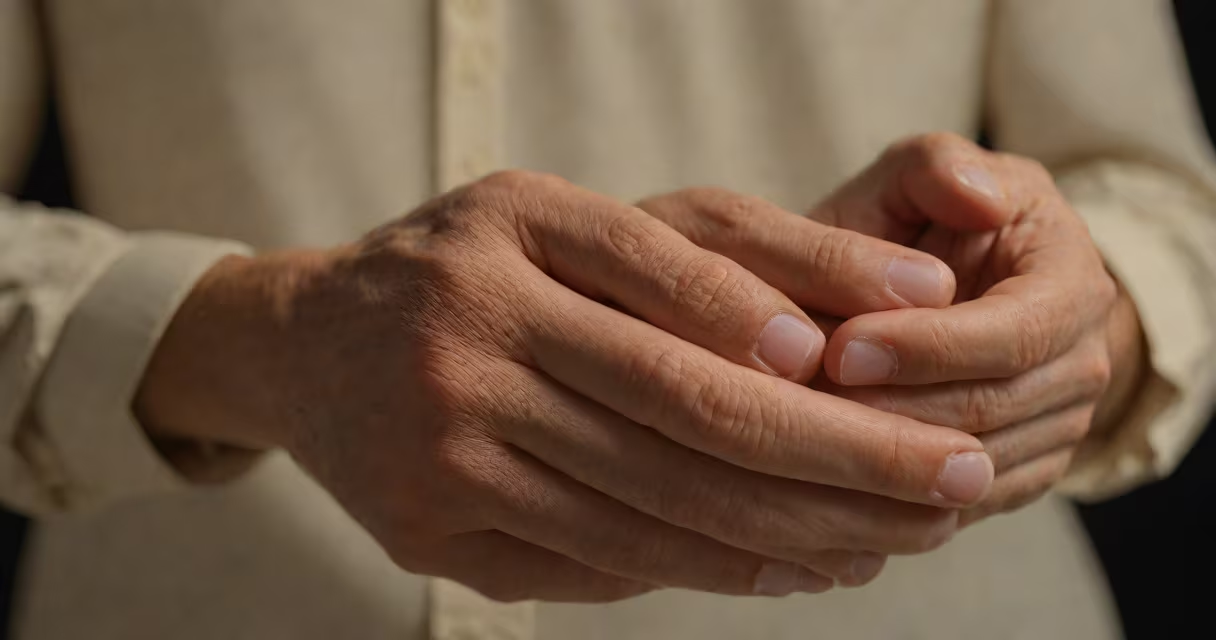
Anxiety triggers palpitations by activating the sympathetic nervous system, which increases heart rate and causes noticeable, often uncomfortable, sensations of heart pounding or fluttering. These physical responses are part of the body's fight-or-flight reaction, not signs of underlying heart disease.
Palpitations during anxiety are typically brief, lasting seconds to minutes, and occur in response to stress, fear, or perceived threat. They result from adrenaline release, which accelerates heart contractions and alters blood flow patterns. The sensation is often described as "my heart is skipping," "racing," or "thumping in my chest."
According to the American Psychiatric Association, palpitations are among the most common physical complaints in people with generalized anxiety disorder and panic disorder. They are not dangerous in themselves, though they can mimic symptoms of arrhythmias or heart attacks, causing significant distress.
The autonomic nervous system controls involuntary bodily functions, including heart rate. During anxiety, the sympathetic branch activates rapidly. This leads to increased norepinephrine and epinephrine levels, which stimulate beta-adrenergic receptors in the heart muscle.
As a result, the heart beats faster and harder. The ventricles contract more forcefully, increasing stroke volume and cardiac output. This heightened activity creates the sensation of palpitations, especially when attention focuses inward during stress.
A 2021 study published in *Psychosomatic Medicine* found that individuals with panic disorder showed higher heart rate variability during stress tasks compared to healthy controls. This indicates that their nervous systems are hyper-reactive, making them more likely to experience palpitations under emotional strain.
Not all palpitations are the same. They vary in timing, duration, and associated symptoms based on the type of anxiety condition involved.
| Type | Onset | Duration | Common Triggers | Associated Symptoms |
|---|---|---|---|---|
| Panic attack palpitations | Sudden, intense | 1-10 minutes | Stress, phobias, unexpected cues | Chest tightness, dizziness, sweating |
| Generalized anxiety palpitations | Gradual, persistent | Hours, intermittent | Worry, rumination, fatigue | Restlessness, muscle tension |
| Performance anxiety palpitations | Anticipatory | Minutes before event | Speaking, exams, public events | Shallow breathing, trembling |
Palpitations from performance anxiety often resolve quickly after the event ends. Those linked to chronic worry may persist throughout the day, especially during periods of mental overload.
Many people assume palpitations mean heart damage. That's not accurate. The heart remains structurally intact in anxiety-related cases. The issue lies in neural signaling, not cardiac pathology.
One common confusion is mistaking palpitations for arrhythmias. While both involve irregular heartbeats, anxiety-induced palpitations usually follow a predictable pattern tied to emotional states. True arrhythmias, such as atrial fibrillation, may occur unpredictably and continue even when calm.
A 2019 review in *The Journal of Clinical Psychiatry* noted that nearly 60% of patients presenting with palpitations to emergency departments had no structural heart disease. Of those, over half were diagnosed with anxiety disorders after thorough evaluation.
Not all palpitations come from anxiety. Conditions like hyperthyroidism, anemia, or electrolyte imbalances can cause similar symptoms. But anxiety-related palpitations have distinct features.
Key differences include:
I once saw a patient who reported heart racing every time she entered a crowded store. She'd feel her chest tighten and sweat profusely. After a 24-hour Holter monitor test, no abnormal rhythms were detected. A psychological evaluation confirmed agoraphobia. Her symptoms resolved with cognitive behavioral therapy and mindfulness training.
While anxiety is a frequent cause, palpitations should be evaluated if they occur frequently, last longer than 10 minutes, or are accompanied by:
The American Heart Association recommends seeing a cardiologist if palpitations happen more than once a week or interfere with daily life. An electrocardiogram (ECG) and echocardiogram can rule out structural problems.
If tests show no heart disease, further evaluation for anxiety disorders is appropriate. Treatment options include therapy, medication, and lifestyle changes.
Reducing anxiety-related palpitations involves calming the nervous system. Breathing techniques are effective because they activate the parasympathetic nervous system, which counteracts the fight-or-flight response.
Try the 4-4-4-4 method: inhale for four seconds, hold for four, exhale slowly for four, pause for four. Repeat for five minutes. This reduces heart rate and calms the mind.
Regular exercise lowers baseline anxiety and improves cardiovascular resilience. A 2020 study in *Frontiers in Psychology* found that participants who walked 30 minutes daily for eight weeks reported a 40% reduction in panic symptoms, including palpitations.
Chronic palpitations without cardiac cause may signal undiagnosed anxiety. If you suspect this, consult a mental health professional. Cognitive behavioral therapy is effective, with success rates above 70% in clinical trials.
Remember: palpitations are not dangerous in isolation. They are signals, not threats. Understanding their origin reduces fear and empowers action.
Palpitations from anxiety are real sensations rooted in biology, not imagination. They arise from a well-documented interaction between the brain and heart via the autonomic nervous system. Recognizing this connection is the first step toward relief.