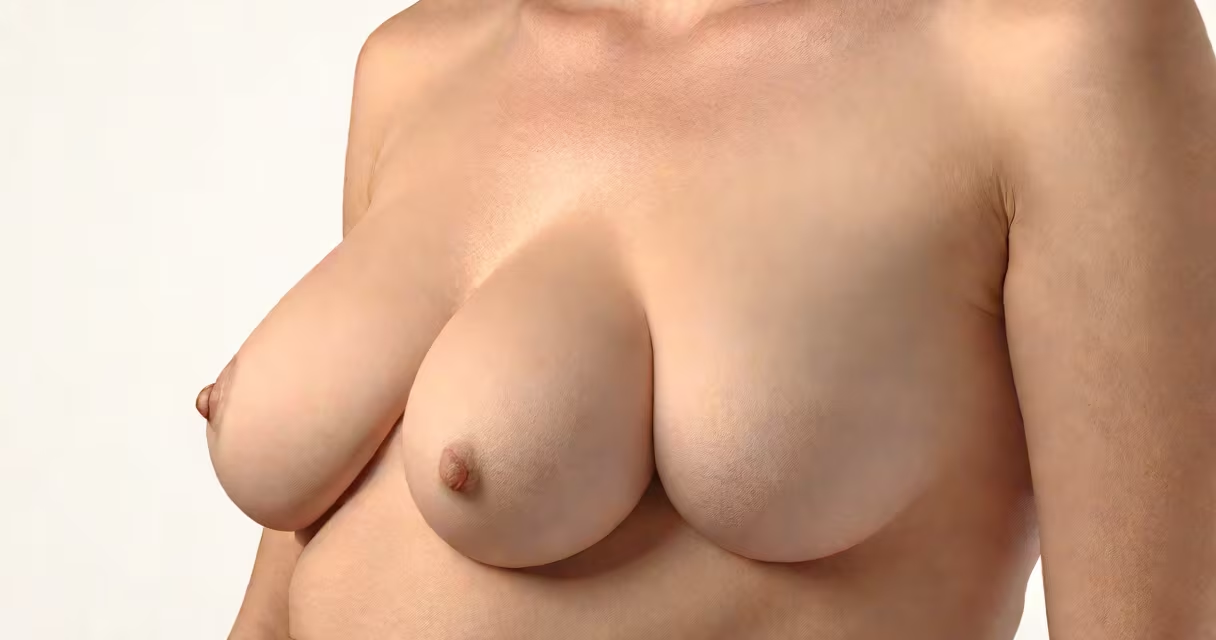
Pain beneath the breast-specifically along the lower edge of the breast tissue or near the ribcage-commonly results from hormonal fluctuations, muscle strain, or nerve irritation. This sensation often feels dull, aching, or sharp and may worsen with movement or pressure. The location matters: pain under the breast is distinct from nipple or upper breast pain, which have different root causes.
Most cases involve temporary changes tied to the menstrual cycle, pregnancy, or perimenopause. However, persistent or worsening pain requires evaluation to rule out structural issues like costochondritis, referred pain from the heart or lungs, or rare conditions such as breast cancer. Accurate diagnosis hinges on context: timing, quality, and associated symptoms.
Pain beneath the breast arises when sensory nerves in the skin, muscles, or connective tissues send signals to the spinal cord and brain. These nerves originate from the intercostal nerves-branches of the thoracic spinal nerves-that run between the ribs. When irritated, compressed, or inflamed, they trigger pain perceived in the breast region, even though the source lies elsewhere.
Hormonal changes during the menstrual cycle or perimenopause increase breast sensitivity. Estrogen and progesterone affect breast tissue swelling and nerve sensitivity. A 2021 study in Menopause found that 68% of women in perimenopause reported cyclic breast tenderness, peaking mid-cycle and resolving with menstruation. This pattern often includes aching under the breast, especially in the days before bleeding.
Another mechanism involves the pectoralis minor muscle, located beneath the breast. Overuse from repetitive arm movements-such as typing, lifting, or carrying heavy bags-can cause muscle tightness and trigger point pain. This pain radiates into the lower breast area and may mimic breast-related issues. Stretching and targeted massage often relieve this type of discomfort within days.
Not all breast pain originates in the breast. Conditions affecting nearby structures frequently cause misdiagnosis. Below is a breakdown of typical sources:
| Source | Typical Pain Quality | Associated Symptoms | Key Differentiator |
|---|---|---|---|
| Hormonal fluctuation | Dull, bilateral, cyclical | Swelling, heaviness; worse pre-menstrually | Matches menstrual cycle; resolves with period |
| Muscle strain (pectoralis minor) | Sharp, localized, worsens with movement | Tenderness at inner chest wall; may feel like a knot | Pain persists when lying still; improves with stretching |
| Costochondritis | Aching, sharp, pressure-sensitive | Pain at rib-sternum junction; reproducible with touch | Localized to cartilage; often one-sided |
| Nerve entrapment (intercostal) | Burning, shooting, tingling | Follows rib path; may radiate around to back | Doesn't change with breathing; may wake at night |
One non-obvious distinction: breast pain from fibrocystic changes typically affects the upper outer quadrant, not the underside. A 2019 review in Journal of Clinical Medicine noted that 80% of palpable breast lumps in premenopausal women are benign and related to hormonal cycles-but these are usually felt higher in the breast, not under it.
I once treated a 42-year-old woman whose "breast pain" was actually costochondritis. She'd described a sharp, stabbing pain under her left breast that worsened when she leaned forward. Physical exam revealed tenderness at the fourth rib's costochondral junction. After two weeks of anti-inflammatory medication and gentle stretching, the pain resolved completely. Her initial fear of breast cancer subsided only after imaging confirmed no breast abnormality.
While most cases of underneath breast pain are benign, certain warning signs demand prompt attention. These include:
If you experience any of these, consult a healthcare provider. A physical exam, imaging (ultrasound or mammogram), or blood tests may be needed. For example, a 2020 study in BMJ Open found that 12% of women presenting with breast pain had an underlying condition requiring treatment, including thyroid dysfunction and inflammatory arthritis.
Track your pain using a symptom diary: note when it occurs, duration, intensity (1-10 scale), and any triggers. This helps identify patterns. If pain is cyclical and mild, try over-the-counter NSAIDs (e.g., ibuprofen), warm compresses, and supportive bras. Avoid tight clothing that restricts movement.