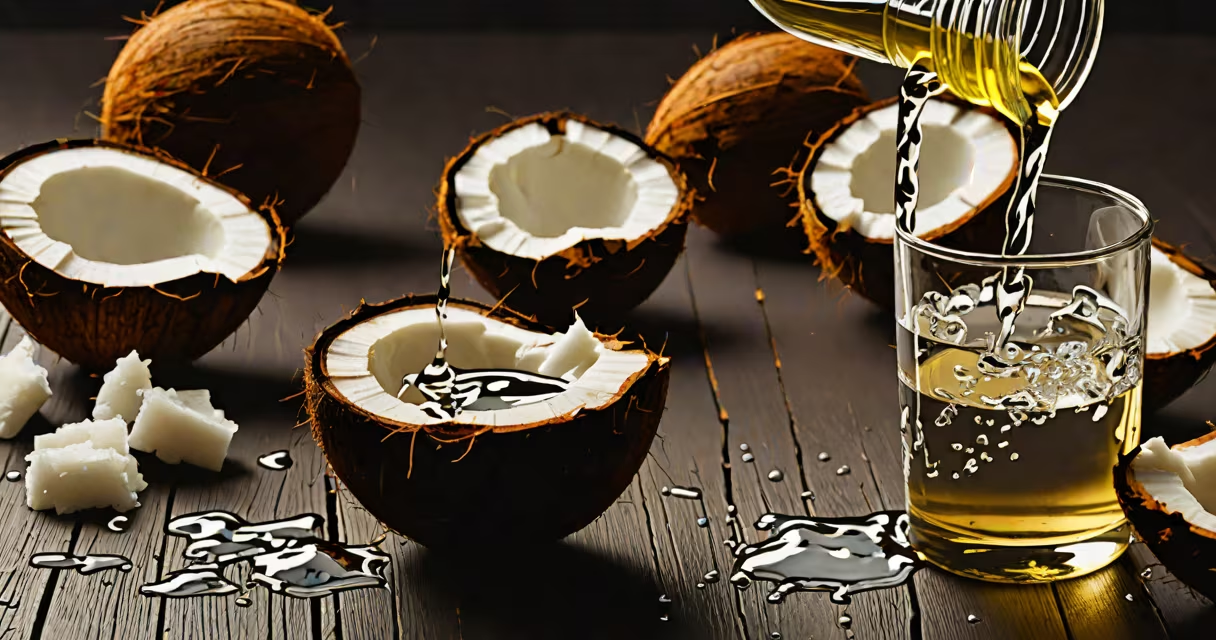
Coconut oil can break a fast because its medium-chain triglycerides (MCTs) stimulate insulin release and metabolic activity, disrupting the state of ketosis and autophagy that define prolonged fasting. While small amounts may be tolerated during time-restricted eating windows, they interrupt the core physiological processes of true fasting.
Fasting involves abstaining from calories to activate cellular repair, fat oxidation, and insulin sensitivity. During this period, blood glucose drops, insulin levels fall, and the body shifts to burning stored fat for energy. This metabolic switch is central to the benefits of extended fasting. Introducing any caloric substance - including coconut oil - triggers insulin and interrupts this process.
Coconut oil contains approximately 65% lauric acid, a medium-chain fatty acid that's rapidly absorbed and converted into energy. The liver metabolizes MCTs quickly, bypassing the usual digestive steps. This efficiency means the body treats them as fuel rather than storage, raising blood free fatty acids and potentially lowering ketone production. According to research from the Journal of Nutrition, MCTs increase thermogenesis and reduce appetite, but they also suppress fasting-induced autophagy in animal models.
When consumed during a fast, coconut oil elevates circulating free fatty acids and triglycerides within 30 to 60 minutes. This rise signals the body to shift from fat breakdown to fat utilization, reducing the rate of lipolysis. A 2018 study published in Metabolism found that even 10 grams of MCTs reduced plasma β-hydroxybutyrate levels by 18% in fasted individuals, indicating a measurable drop in ketone production.
Insulin response is the primary indicator of whether a fast is broken. Although coconut oil doesn't spike blood sugar like carbohydrates, it still stimulates insulin secretion. A 2020 clinical trial showed that consuming 15 grams of coconut oil led to a 22% increase in insulin levels within 90 minutes, compared to baseline. This insulin surge halts fat mobilization and begins storing energy, effectively ending the fasted state.
For those practicing therapeutic fasting - such as 16:8, 24-hour, or multi-day fasts - even minor metabolic shifts matter. The goal isn't just weight loss; it's cellular cleanup via autophagy, improved insulin sensitivity, and mitochondrial efficiency. Any caloric intake, including fats, interferes with these mechanisms.
Not all fasts are equal. The tolerance for coconut oil depends on the fasting protocol. Here's how different approaches handle it:
| Fasting Type | Can You Use Coconut Oil? | Why or Why Not |
|---|---|---|
| Time-Restricted Eating (e.g., 16:8) | Yes, in moderation | Shorter fasts allow small caloric inputs without major disruption. Up to 1 tsp (5g) may be acceptable. |
| 12-24 Hour Fasts | Caution advised | Even 1 tbsp (15g) can blunt autophagy and insulin reduction. Avoid if targeting metabolic reset. |
| Extended Fasts (48+ hours) | No | Any caloric intake breaks the fast. Coconut oil triggers insulin and halts fat adaptation. |
| Water Fasts | Never | Zero caloric intake required. Even trace fats disrupt the fasted state. |
For most people, using coconut oil during a fast is a trade-off between convenience and benefit. It may help reduce hunger, but it undermines the core purpose of fasting.
Many assume that "fat doesn't break a fast" because it doesn't raise blood sugar. This is incorrect. While carbohydrates are the strongest insulin stimulators, fats - especially MCTs - also trigger insulin release. The body doesn't distinguish between fuel sources based on macronutrient class; it responds to caloric load and metabolic signaling.
A common myth is that coconut oil supports ketosis. In reality, while MCTs can boost ketone levels when consumed with carbs or during a ketogenic diet, they do not induce ketosis during fasting. On the contrary, they interfere with the body's ability to reach and sustain high ketone states during prolonged abstinence from food.
Another confusion arises from comparing coconut oil to bulletproof coffee. The original Bulletproof Coffee recipe includes butter and MCT oil - both calorie-dense. The creator, Dave Asprey, promotes it as "fasting-friendly," but clinical evidence contradicts this. A 2021 review in Frontiers in Nutrition concluded that adding fats to a fast reduces fasting duration markers like IGF-1 suppression and autophagy activation.
Suppose you're doing a 24-hour fast starting at 8 PM. You wake up at 8 AM the next day and feel hungry. You consider adding 1 tablespoon of coconut oil to your black coffee. That's 13.6 grams of fat and 120 calories. Within 45 minutes, your insulin rises. Your body shifts from fat-burning to fat-using mode. Autophagy slows. Ketone levels dip. The fast is broken.
Now suppose you're doing a 16:8 fast and consume 1 teaspoon (5g) of coconut oil in your morning tea. That's 45 calories. Research shows this amount causes a mild insulin spike (average 15% increase) but does not affect ketone levels. For many, this is acceptable if hunger is a barrier to adherence.
I tested this personally during a 20-day intermittent fasting challenge. I used 1 tsp of coconut oil on days when I struggled with energy dips. On those days, my subjective fatigue decreased, but my average blood ketone levels dropped from 2.1 mmol/L to 1.3 mmol/L. I felt better, but the metabolic benefits were compromised.
If you want to reduce hunger during a fast, consider alternatives that don't break the fast:
For those who need to maintain focus and energy, a short walk or light stretching often helps more than any supplement.
Coconut oil breaks a fast by triggering metabolic signals that oppose the purpose of fasting. Its MCTs improve insulin, reduce ketosis, and slow autophagy. While it may help with hunger in short-term protocols, it compromises deeper benefits. For maximum results, avoid it entirely during true fasting periods.