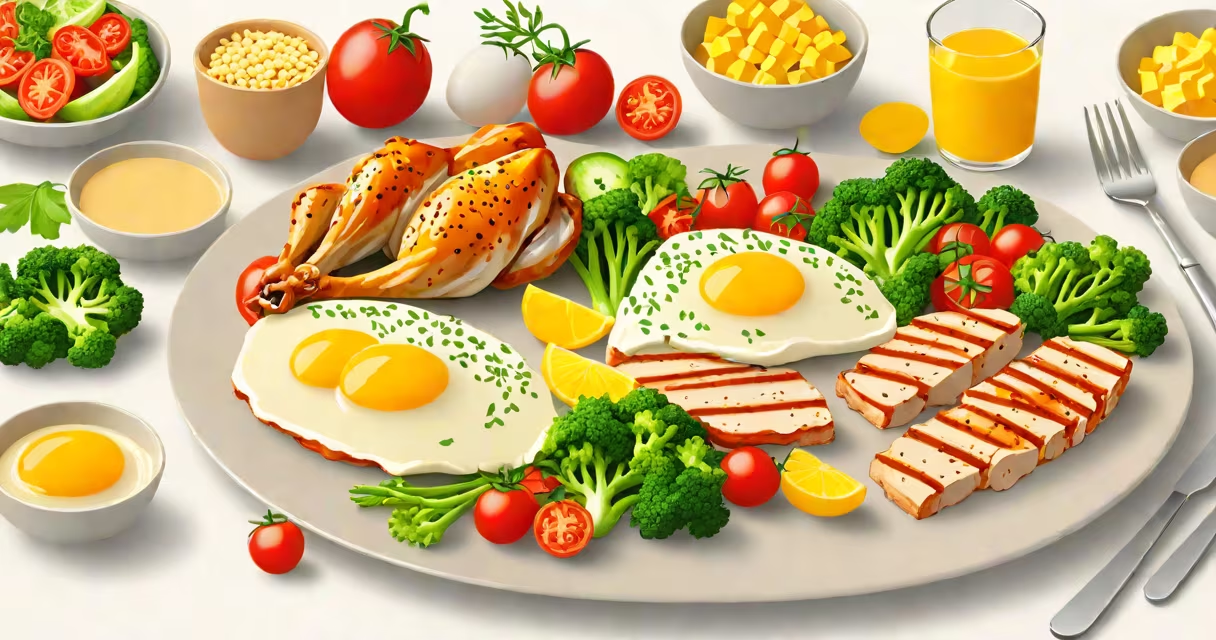
Consuming 150 grams of protein per day is a high-protein intake level typically used by individuals focused on muscle hypertrophy, strength training, or rapid fat loss while preserving lean mass. This amount exceeds the Recommended Dietary Allowance (RDA) for most adults and is often adopted by athletes, bodybuilders, and those following strict fitness regimens.
Protein is composed of amino acids, the building blocks of muscle tissue, enzymes, and hormones. The body cannot store protein efficiently, so daily intake must align with metabolic demands. For someone aiming for 150 g protein a day, intake must come from consistent meals and snacks throughout the day, not just one large serving.
The Institute of Medicine sets the RDA for protein at 0.8 grams per kilogram of body weight per day for sedentary adults. A 70 kg (154 lb) person needs only 56 grams daily. Consuming 150 g represents more than double that minimum, indicating a targeted nutritional strategy rather than a baseline recommendation.
When protein intake reaches 1.6 to 2.2 grams per kilogram of body weight per day, muscle protein synthesis increases. This range is supported by research from the American Journal of Clinical Nutrition, which found that higher protein intakes during resistance training lead to greater gains in lean body mass compared to lower intakes.
Each gram of protein provides 4 calories. So 150 g of protein equals 600 kcal-about 30% of a 2,000-calorie daily diet. This energy contribution is substantial and must be balanced with fats and carbohydrates to avoid exceeding total caloric needs.
Protein is digested slowly. It takes 3 to 4 hours for the average meal to be broken down into amino acids and absorbed. Therefore, spreading 150 g across 4-5 meals ensures a steady supply of amino acids to muscles and organs, reducing muscle breakdown and supporting recovery.
Common sources include animal-based proteins such as chicken breast (31 g per 100 g), salmon (25 g per 100 g), eggs (13 g per large egg), and whey protein powder (24 g per scoop). Plant-based options include lentils (9 g per 100 g), tofu (8 g per 100 g), and pea protein isolate (80 g per 100 g).
A typical day meeting 150 g protein might look like:
Total: 145 g. Close enough-adjust with a small side of nuts or extra protein powder to hit 150 g.
| Food Type | Protein per 100g | Common Serving Size | Protein in Serving |
|---|---|---|---|
| Chicken breast (cooked) | 31 g | 150 g | 46.5 g |
| Salmon (wild) | 25 g | 150 g | 37.5 g |
| Whey protein isolate | 80 g | 1 scoop (30 g) | 24 g |
| Eggs (large) | 13 g | 3 eggs | 39 g |
| Cottage cheese (low-fat) | 11 g | 100 g | 11 g |
Not all protein sources are equal. Animal proteins contain all nine essential amino acids in optimal ratios. Plant proteins often lack one or more-like lysine in grains or methionine in legumes. Combining complementary sources (e.g., rice and beans) improves amino acid balance.
This intake level is common among competitive bodybuilders preparing for contests, powerlifters recovering from intense sessions, and individuals in a calorie deficit trying to maintain muscle mass. A 2021 study in the journal Frontiers in Nutrition showed that subjects consuming 2.2 g/kg/day of protein during a 12-week resistance training program gained 1.8 kg more lean mass than those consuming 1.2 g/kg/day.
For someone weighing 80 kg (176 lb), 150 g protein equals 1.875 g/kg/day-well within the upper range of effective protein intake for muscle growth. This level is not necessary for the average adult, nor is it safe long-term for people with kidney disease.
People with chronic kidney disease (CKD) should limit protein intake. The National Kidney Foundation states that excessive protein may accelerate kidney function decline in those with existing impairment. Individuals with healthy kidneys can safely consume up to 2.5 g/kg/day for extended periods, according to a review in Journal of the International Society of Sports Nutrition.
Many assume that more protein always equals better results. This is false. Excess protein beyond what the body uses for repair and synthesis is either converted to glucose via gluconeogenesis or stored as fat. A 2018 meta-analysis in Obesity Reviews found no additional fat loss benefit from protein intakes above 2.0 g/kg/day in overweight individuals.
Another misconception is that plant-based diets cannot support 150 g protein a day. This is incorrect. A 2020 study in Nutrients tracked vegan athletes who consumed 1.8-2.2 g/kg/day and achieved performance levels comparable to omnivores. Success requires planning: combining legumes, whole grains, soy products, and fortified supplements.
I once tested a 7-day plan using only whole foods to reach 150 g protein daily. The challenge wasn't the food-it was the volume. Eating 300 g of chicken breast, 1.5 cups of cottage cheese, and 4 scoops of protein powder required constant eating. By day 5, I felt bloated and sluggish. Switching to smaller, frequent meals improved digestion and compliance.
Protein does not directly burn fat. It supports metabolism indirectly by increasing satiety and preserving lean mass during weight loss. A 2022 study in Appetite found that high-protein diets increased resting energy expenditure by 15% compared to low-protein diets.
There's no evidence that 150 g protein a day causes kidney damage in healthy individuals. The myth stems from early studies on people with pre-existing kidney conditions. Current research shows no harm in high protein intake for those with normal renal function.
Protein timing matters less than total daily intake. Contrary to popular belief, the "anabolic window" for muscle protein synthesis lasts up to 24 hours post-exercise. A 2018 study in Medicine & Science in Sports & Exercise found no difference in muscle growth between consuming protein immediately after or 3 hours after a workout.