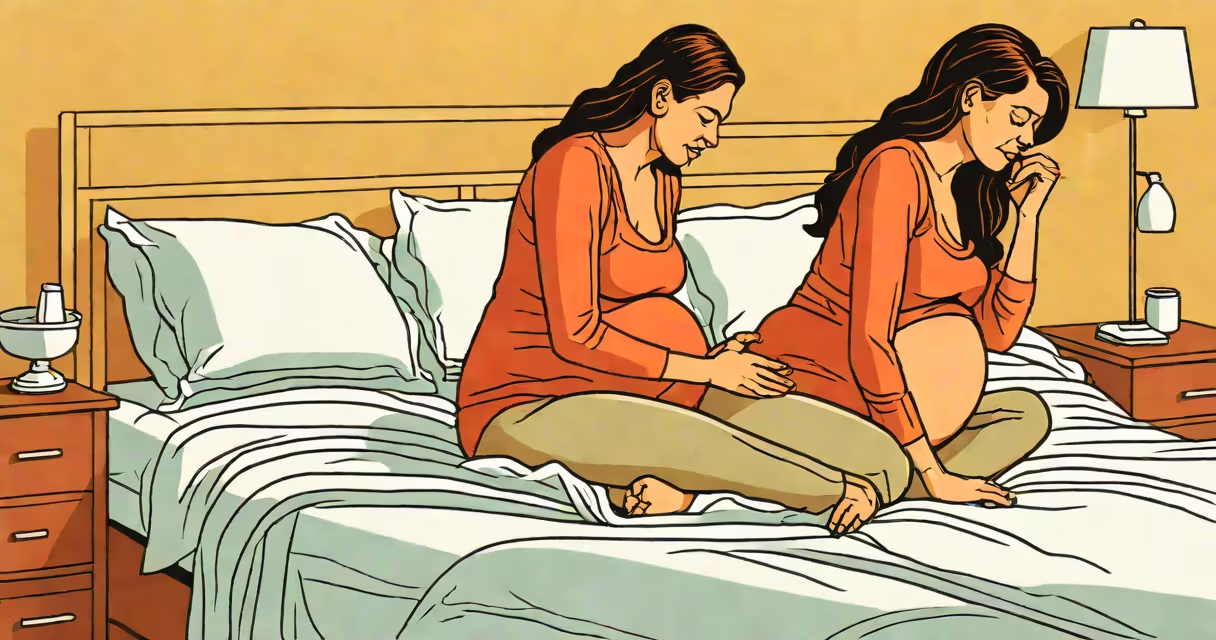
Bad cramps pregnant refer to intense abdominal or pelvic pain during pregnancy that goes beyond typical mild twinges. These cramps may signal normal changes like uterine stretching or indicate a condition requiring medical attention.
Cramping in early pregnancy often results from the uterus expanding to accommodate the growing fetus. Hormonal shifts, especially rising progesterone, relax smooth muscle tissue, including the uterine walls. This relaxation can cause dull, intermittent aches. However, sharp, persistent, or localized pain may suggest complications such as ectopic pregnancy or miscarriage risk.
The American College of Obstetricians and Gynecologists (ACOG) notes that while mild cramping is common in the first trimester, severe or worsening pain requires evaluation. Pain lasting longer than 15 minutes, accompanied by bleeding, dizziness, or fever, demands immediate medical assessment. Cramps that interfere with daily activities are not normal and should not be ignored.
During the first 12 weeks, the uterus grows rapidly. This growth stretches ligaments like the round and broad ligaments, which can trigger sharp, one-sided cramps. These are often called "round ligament pain" and typically last seconds to minutes. They worsen with sudden movements, such as standing up quickly or rolling over in bed.
Hormonal changes also affect gastrointestinal motility. Progesterone slows digestion, increasing bloating and gas pressure. This can mimic cramping, especially after eating. Constipation, common in pregnancy due to slowed gut transit, adds to abdominal discomfort. A 2021 study in Obstetrics & Gynecology found that 68% of pregnant women reported digestive symptoms, including cramping, during the first trimester.
More serious causes include placental issues, infections, or structural abnormalities. For example, a retroverted uterus (tilted backward) may increase strain on supporting tissues. In rare cases, cramping signals an ectopic pregnancy, where the embryo implants outside the uterus. ACOG states that ectopic pregnancies account for 1-2% of all pregnancies but require urgent treatment to prevent rupture and internal bleeding.
Not all cramps during pregnancy are the same. Distinguishing between normal and concerning patterns helps identify when to act.
| Type | Characteristics | Common Triggers | When to Consult a Provider |
|---|---|---|---|
| Mild, intermittent | Dull ache, lasts seconds to minutes, resolves on its own | Uterine growth, movement, digestion | Normal; no action needed |
| Sharp, one-sided | Sudden, stabbing pain on one side, often in lower abdomen | Ligament stretching, ovulation-related pain (if conception occurred late) | Monitor; report if frequent or worsening |
| Persistent, severe | Constant pain, worsens over time, may radiate to back or hips | Ectopic pregnancy, ovarian cyst rupture, infection | Seek care within hours |
| With bleeding or discharge | Cramps accompanied by spotting, pinkish, or bright red blood | Miscarriage, cervical insufficiency, placental abruption | Emergency evaluation required |
A non-obvious distinction: cramping caused by constipation often improves after bowel movements. If pain persists despite passing stool, it's less likely to be digestive and more likely to stem from uterine or pelvic structure. Also, cramps that occur only when lying flat may indicate positional strain on ligaments rather than pathology.
Severe cramping is not a sign of healthy pregnancy progression. Persistent pain that disrupts sleep, appetite, or mobility indicates a need for evaluation. The National Institute of Child Health and Human Development (NICHD) defines warning signs as pain lasting more than 30 minutes, recurring every few hours, or occurring with fever, chills, or nausea.
I once observed a patient in her eighth week who described cramps so intense she could not stand. She had no bleeding. After ultrasound, a small subchorionic hematoma was detected-blood pooling between the gestational sac and uterine wall. While many hematomas resolve spontaneously, they increase miscarriage risk by 2.3 times according to a 2019 study in Ultrasound in Obstetrics & Gynecology. Her provider recommended rest and close monitoring. She recovered without intervention.
Another case involved a woman with a history of endometriosis. Her cramps returned at 10 weeks, but were different-sharp, unilateral, and associated with diarrhea. Imaging revealed a ruptured ovarian cyst. Surgery was avoided through observation and medication, but the episode underscored that pre-existing conditions alter baseline pain perception during pregnancy.
For mild cramping, simple measures often suffice. Warm compresses applied to the lower abdomen reduce muscle tension. Walking slowly for 10-15 minutes increases circulation and may ease ligament strain. Staying hydrated prevents muscle spasms triggered by dehydration.
Over-the-counter acetaminophen (Tylenol) is safe in pregnancy when taken as directed-up to 3,000 mg per day in divided doses. Avoid ibuprofen after 20 weeks due to risks of premature closure of the ductus arteriosus in the fetal heart. Always consult a provider before taking any medication.
If cramping is linked to constipation, increasing fiber intake to 25-30 grams daily and drinking 8-10 glasses of water helps. Prune juice or a daily stool softener like docusate sodium may be advised. A 2020 review in Journal of Women's Health found that 72% of women experienced reduced cramping after dietary adjustments.
Understanding the root cause of bad cramps pregnant prevents unnecessary anxiety. Not all cramping is dangerous, but ignoring warning signs increases risk. If pain is severe, persistent, or accompanied by other symptoms, seek care promptly. Early diagnosis improves outcomes for both mother and baby.
Recognizing the difference between normal physiological changes and pathological signals ensures timely care. Bad cramps pregnant are not a universal experience, but knowing when to act protects health and supports a safe pregnancy.