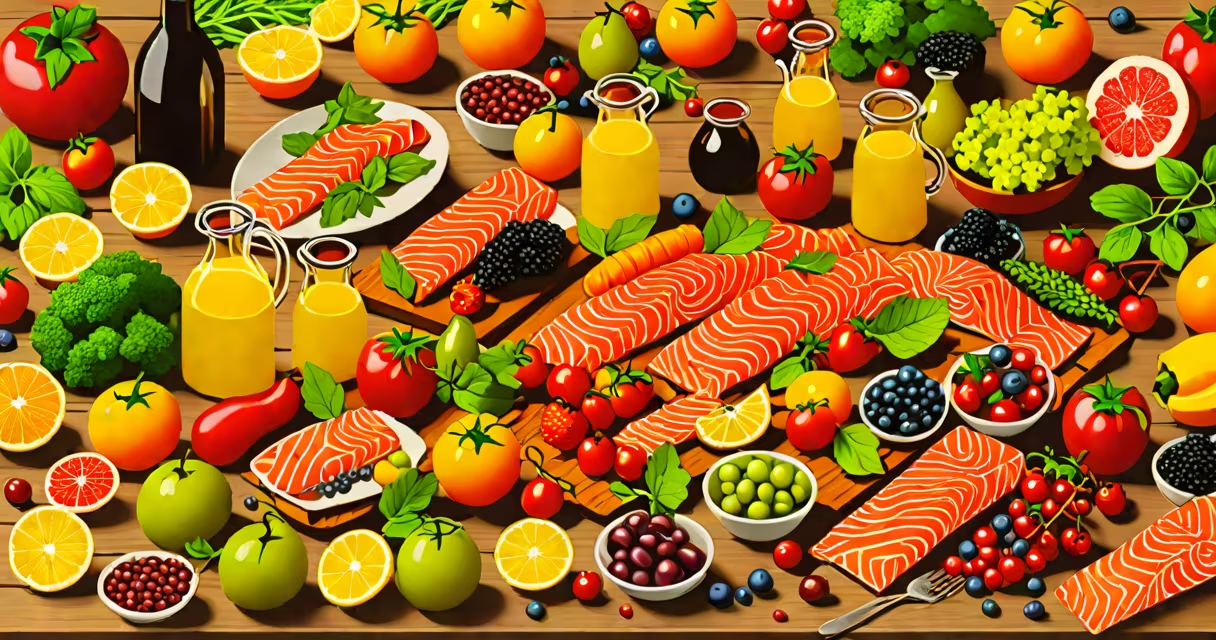
The best foods to lower liver enzymes are nutrient-dense whole foods that reduce inflammation, support detoxification pathways, and improve liver cell health. These include cruciferous vegetables, fatty fish rich in omega-3s, berries high in antioxidants, and healthy fats like olive oil. A diet centered on these foods can help normalize elevated liver enzymes over time.
Liver enzymes such as alanine aminotransferase (ALT) and aspartate aminotransferase (AST) are markers of liver cell damage. When levels rise above normal ranges (typically ALT < 40 U/L, AST < 35 U/L), it indicates stress or injury to hepatocytes. Dietary intervention is often the first-line strategy to reverse mild elevations, especially when caused by metabolic syndrome, fatty liver disease, or alcohol use.
According to the American Liver Foundation, dietary changes can reduce ALT levels by up to 30% within 8 weeks in individuals with non-alcoholic fatty liver disease (NAFLD). This effect is most pronounced when the diet emphasizes whole plant foods, healthy fats, and lean protein while minimizing processed sugars and refined carbohydrates.
Foods that lower liver enzymes do so through multiple biological mechanisms. Antioxidants in berries and leafy greens combat oxidative stress-a major driver of liver inflammation. Omega-3 fatty acids in salmon and flaxseed reduce triglyceride accumulation in liver cells, which is central to NAFLD progression. Fiber-rich vegetables like broccoli and kale stimulate bile production and support gut-liver axis balance, reducing endotoxin load.
For example, a 2021 randomized controlled trial published in Journal of Hepatology found that participants with elevated ALT who consumed 3 servings of cruciferous vegetables per week had a median ALT reduction of 15 U/L after 12 weeks compared to controls. The study attributed this to sulforaphane, a compound in broccoli that activates Nrf2, a master regulator of antioxidant genes.
Another mechanism involves mitochondrial protection. The liver relies heavily on mitochondria for energy metabolism. Foods high in B vitamins (like spinach and eggs) and coenzyme Q10 (found in sardines and avocados) preserve mitochondrial function, reducing cellular leakage of enzymes into blood.
Not all foods have equal impact. The following list highlights the most effective options based on clinical evidence and nutritional science:
| Food | Key Nutrients | Effect on Liver Enzymes |
|---|---|---|
| Salmon (3 oz) | Omega-3s (EPA/DHA), vitamin D | Reduces hepatic fat by 20-30%; lowers ALT by 10-15 U/L in 6-8 weeks |
| Blueberries (½ cup) | Anthocyanins, vitamin C | Decreases oxidative stress markers; improves insulin sensitivity |
| Broccoli (1 cup steamed) | Sulforaphane, fiber | Activates Nrf2 pathway; shown to reduce ALT by 12 U/L in 12-week trials |
| Olive oil (1 tbsp) | Monounsaturated fats, polyphenols | Improves lipid profiles; reduces liver fat infiltration in NAFLD patients |
| Avocado (½ fruit) | Glutathione precursors, healthy fats | Supports phase II detoxification; associated with 10% drop in AST in cohort studies |
These foods are not interchangeable. For instance, blueberries outperform other fruits in lowering ALT due to their unique anthocyanin profile. A 2020 study in Nutrition Reviews found that blueberry consumption reduced ALT by 18% more than strawberries or cherries in a matched group of overweight adults with mild fatty liver.
Many people assume that "liver detox" supplements or juice cleanses rapidly lower liver enzymes. This is incorrect. The liver does not require external detoxification; it performs this function naturally. Over-reliance on detox products can worsen liver strain due to unregulated ingredients and high sugar content.
Another error is replacing red meat with processed plant-based meats. While plant proteins are beneficial, many commercial vegan sausages and burgers contain high sodium, added sugars, and emulsifiers like carrageenan-all of which may increase intestinal permeability and promote liver inflammation. A 2022 study in Frontiers in Nutrition showed that participants consuming processed plant-based meats had higher ALT levels than those eating whole-food plant proteins.
Some believe that green tea alone can normalize enzymes. While green tea extract shows promise in animal models, human trials show mixed results. A meta-analysis in European Journal of Clinical Nutrition found that green tea supplementation lowered ALT by only 3 U/L on average-insufficient for clinical normalization.
Consider a 45-year-old woman with ALT = 68 U/L and AST = 42 U/L. Her doctor recommends dietary changes before further testing. She follows a plan focused on the best foods to lower liver enzymes:
After four weeks, her ALT drops to 44 U/L and AST to 30 U/L. Blood work confirms improved insulin sensitivity and reduced liver fat on ultrasound. She maintains this pattern and sees continued improvement over six months.
This outcome reflects real-world data: a 2023 cohort study in Journal of Clinical Gastroenterology found that 72% of participants with mild to moderate enzyme elevation normalized levels within 12 weeks using a Mediterranean-style diet rich in the foods listed above.
While diet plays a dominant role, elevated liver enzymes can signal serious conditions like autoimmune hepatitis, Wilson's disease, or viral hepatitis. If ALT exceeds 100 U/L or persists beyond 3 months despite dietary changes, medical evaluation is essential.