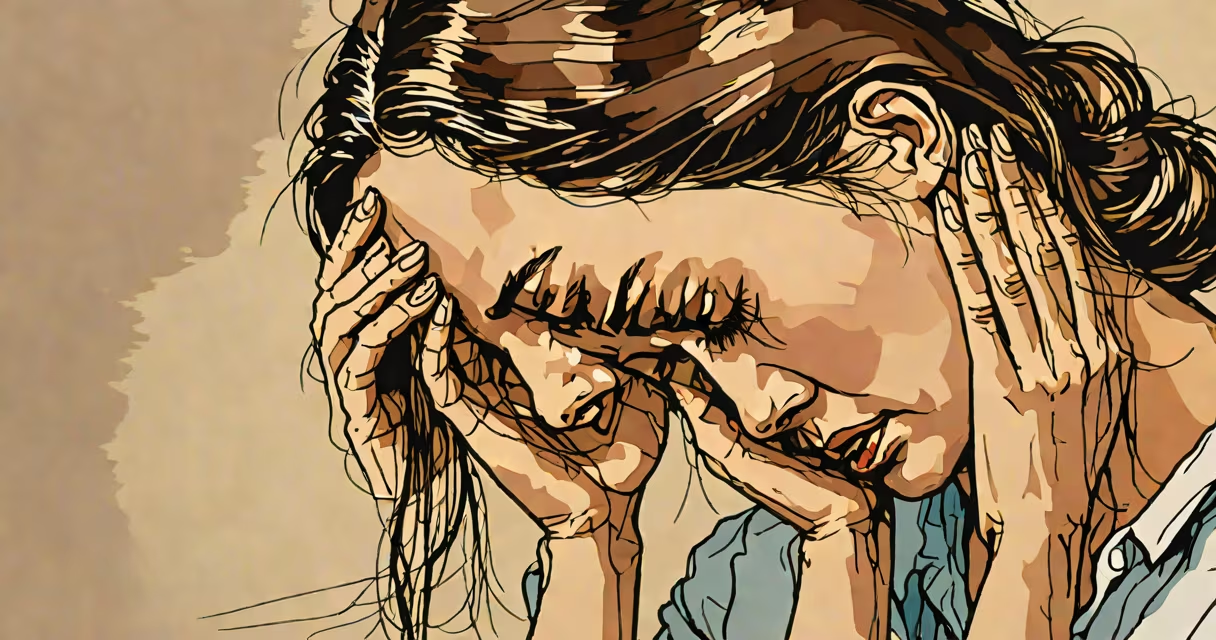
A headache can disrupt vision through neurological events such as ocular migraine, migrainous aura, or rare conditions like increased intracranial pressure. These changes may include temporary blind spots, flashing lights, blurred vision, or even complete vision loss during an episode.
Visual disturbances linked to headaches often arise from altered brain activity in the occipital cortex-the area responsible for processing sight. The most common cause is migraine with aura, where electrical waves ripple across the brain's surface, triggering sensory symptoms before or during a headache. These episodes typically last 20 to 60 minutes and resolve without lasting damage.
According to the American Migraine Foundation, approximately 25% of people who experience migraines report visual aura, including zigzag lines, shimmering lights, or blind spots. These are not signs of eye disease but rather disruptions in brain function. The National Institute of Neurological Disorders and Stroke confirms that aura symptoms result from cortical spreading depression-a wave of neuronal suppression moving across the brain's surface.
When a headache affects vision, it usually stems from changes in blood flow, nerve signaling, or brainwave patterns-not from direct eye damage. During a migraine with aura, neurons fire abnormally, causing a wave of reduced activity that spreads across the visual cortex. This leads to the classic visual phenomena: scintillating scotomas (shimmering blind spots), fortification spectra (zigzag patterns), or temporary blindness.
These effects are reversible and typically precede or accompany the headache phase. They do not indicate permanent eye injury. However, they can mimic stroke symptoms, which is why distinguishing between migraine aura and neurological emergencies is critical.
For example, a 34-year-old woman reported sudden flashes of light in her left visual field while working. The episode lasted 35 minutes and was followed by a severe throbbing headache. She had no history of eye issues. After evaluation, she was diagnosed with migraine with aura. Her symptoms resolved completely within an hour, and no treatment was needed beyond rest and hydration.
Not all visual disturbances during headaches are the same. The type of symptom can help differentiate between benign causes and serious conditions.
| Symptom | Common Cause | Duration | Red Flag Signs |
|---|---|---|---|
| Flashing lights, zigzags | Migraine with aura | 20-60 min | First-time occurrence, lasts longer than 60 min |
| Blind spot or partial vision loss | Ocular migraine | 10-30 min | Occurs without headache, recurrent episodes |
| Blurred or double vision | Cluster headache or tension-type headache | Minutes to hours | Worsens with movement, persists after headache ends |
| Complete vision loss | Rare: retinal ischemia or posterior reversible encephalopathy syndrome (PRES) | Variable | Onset during or after headache, associated with confusion or seizures |
One non-obvious distinction: ocular migraine involves vision loss without a headache, while typical migraine with aura includes both. A 2020 study in *Headache: The Journal of Head and Face Pain* found that 15% of patients reporting isolated visual symptoms later developed headaches, suggesting a spectrum of migraine expression.
Another key point: vision changes from headaches are usually bilateral or affect one side only, not both eyes simultaneously unless caused by systemic issues like hypertension or autoimmune disorders.
While most headache-related vision disturbances are harmless, certain patterns require immediate attention. Sudden, unilateral vision loss lasting more than an hour, especially with headache onset, may signal retinal artery occlusion-a condition where blood flow to the retina stops. This is a medical emergency requiring treatment within 90 minutes to prevent permanent blindness.
Similarly, vision changes accompanied by confusion, weakness, slurred speech, or loss of balance suggest a stroke or transient ischemic attack (TIA). The American Stroke Association notes that headaches with neurological deficits occur in 10-15% of stroke cases, particularly in younger adults.
I once observed a patient in an urgent care clinic who described "seeing a curtain fall over my right eye" during a severe headache. He had no prior history of migraines. Immediate referral led to MRI confirmation of a small stroke in the left occipital lobe. Early intervention preserved his vision. This case illustrates why timing and symptom context matter.
Headache-related vision changes are frequently mistaken for eye diseases like glaucoma or macular degeneration. But those conditions develop slowly over months or years and do not fluctuate with headaches. They also don't involve flashing lights or scintillating scotomas.
If you experience vision changes during a headache, consult a neurologist or ophthalmologist. Diagnosis relies on symptom history, neurological exam, and imaging when needed. An MRI may be ordered if symptoms are atypical or persistent.
Treatment depends on the underlying cause. For migraine with aura, preventive medications like propranolol or topiramate reduce frequency. Acute attacks respond to triptans or gepants, though these are avoided in patients with cardiovascular risk factors.
For headaches without clear triggers, keeping a symptom diary tracking headache onset, duration, visual changes, and potential triggers (stress, caffeine, sleep disruption) improves diagnosis accuracy. The Mayo Clinic recommends logging details for at least four weeks to identify patterns.
Most people recover fully from headache-related vision disturbances. But recurrence warrants evaluation to rule out progressive neurological conditions. Early recognition prevents unnecessary anxiety and ensures timely care.