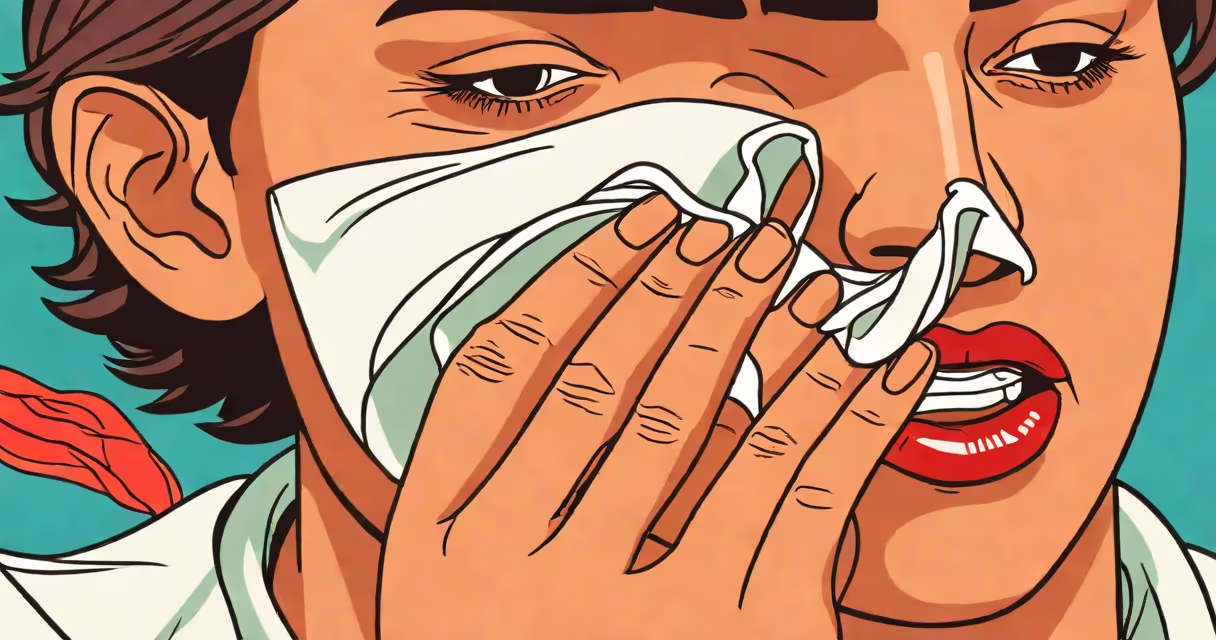
Nosebleeds, medically known as epistaxis, occur when blood vessels in the nasal lining rupture. They most often stem from dryness, trauma, or irritation in the front part of the nose, though underlying health conditions can also trigger them.
Epistaxis affects about 60 million people annually in the U.S., with most cases being mild and self-resolving. The majority originate in Kiesselbach's area-a dense network of small blood vessels at the front of the nasal septum. This region is especially vulnerable due to thin mucous membranes and high blood flow.
While many assume nosebleeds signal serious illness, they're usually harmless. However, persistent or heavy bleeding may indicate an underlying issue such as hypertension, clotting disorders, or structural abnormalities. Identifying the root cause improves prevention and treatment.
Blood vessels in the nasal cavity are close to the surface and easily damaged. When the lining dries out or gets scratched, capillaries burst. Bleeding typically starts from one nostril and may drip into the mouth or down the back of the throat.
Front nosebleeds (anterior epistaxis) account for 90% of cases and are usually triggered by environmental or mechanical factors. Back nosebleeds (posterior epistaxis) are less common but more severe-they start deeper in the nasal passage and often require medical intervention.
When blood flows from both nostrils simultaneously, it may suggest a posterior bleed or a systemic issue like low platelets. Posterior bleeds are more common in older adults and those with uncontrolled high blood pressure.
Several factors increase the likelihood of nosebleeds. Dry air is the leading environmental cause-especially in winter months when indoor heating reduces humidity. The National Institute on Deafness and Other Communication Disorders (NIDCD) reports that dry nasal passages contribute to nearly half of all nosebleeds in adults.
Trauma is another major cause. Picking the nose, blowing too hard, or sustaining facial injuries can damage delicate nasal tissues. Children are particularly prone due to frequent nose-picking and higher activity levels.
Medical conditions also play a role. Hypertension increases pressure in nasal vessels, raising the risk of rupture. A 2021 study in Clinical and Experimental Otorhinolaryngology found that patients with systolic blood pressure above 140 mmHg were twice as likely to experience recurrent nosebleeds.
| Category | Common Causes | Typical Age Group |
|---|---|---|
| Environmental | Dry air, pollution, nasal sprays | All ages |
| Mechanical | Nose-picking, forceful blowing, trauma | Children, young adults |
| Medical | Hypertension, clotting disorders, anticoagulant use | Adults, elderly |
| Anatomical | Deviated septum, nasal polyps | Adolescents, adults |
Anticoagulants like warfarin or newer drugs such as apixaban raise bleeding risk. Patients on these medications report nosebleeds at rates 3-5 times higher than non-users, according to the American Academy of Otolaryngology-Head and Neck Surgery (AAO-HNS).
Structural issues like a deviated septum or chronic sinusitis can lead to recurring episodes. These conditions alter airflow and dry out the nasal lining, creating a cycle of irritation and bleeding.
Many people believe that nosebleeds mean high blood pressure. While hypertension can contribute, it's rarely the sole cause. A 2019 review in JAMA Otolaryngology-Head & Neck Surgery found that only 12% of patients with recurrent nosebleeds had clinically significant hypertension.
Another myth is that tilting the head back stops bleeding. This practice increases the risk of swallowing blood, which can irritate the stomach and cause nausea or vomiting. The correct method is to sit upright, lean forward, and pinch the soft part of the nose for 10 minutes.
Red flags include bleeding lasting longer than 20 minutes, repeated episodes within 24 hours, or blood loss requiring a bandage change every hour. These signs suggest a need for medical evaluation. Persistent nosebleeds may indicate underlying conditions such as chronic kidney disease or coagulation disorders.
I once treated a 68-year-old man who reported weekly nosebleeds. Initial assessment showed no trauma or dryness. Further testing revealed a platelet count of 80,000/μL-below normal. After adjusting his antihypertensive medication and adding a nasal moisturizer, episodes stopped within two weeks. This case highlights how overlooked systemic factors can drive recurrent nosebleeds.
Most nosebleeds resolve with home care. But if bleeding doesn't stop after 20 minutes of direct pressure, or if it follows a head injury, seek emergency care. Recurrent episodes despite proper technique may signal a need for specialist evaluation.
Chronic nosebleeds can lead to iron deficiency anemia. The CDC estimates that prolonged blood loss from nosebleeds contributes to 15% of cases in adults under 50. Regular monitoring of hemoglobin levels is advised for those with frequent episodes.
If you're taking blood thinners or have a history of stroke, consult an ENT specialist before trying home remedies. Some nasal sprays and decongestants can worsen bleeding in susceptible individuals.
Prevention includes using saline sprays daily in dry climates, avoiding nose-picking, and keeping indoor humidity above 40%. For high-risk individuals, a humidifier in the bedroom during winter months reduces incidence by up to 30%, per a 2020 study in International Journal of Otolaryngology.
Understanding the causes of nosebleeds allows for targeted prevention and timely care. Most are minor, but recognizing warning signs ensures prompt action when needed.