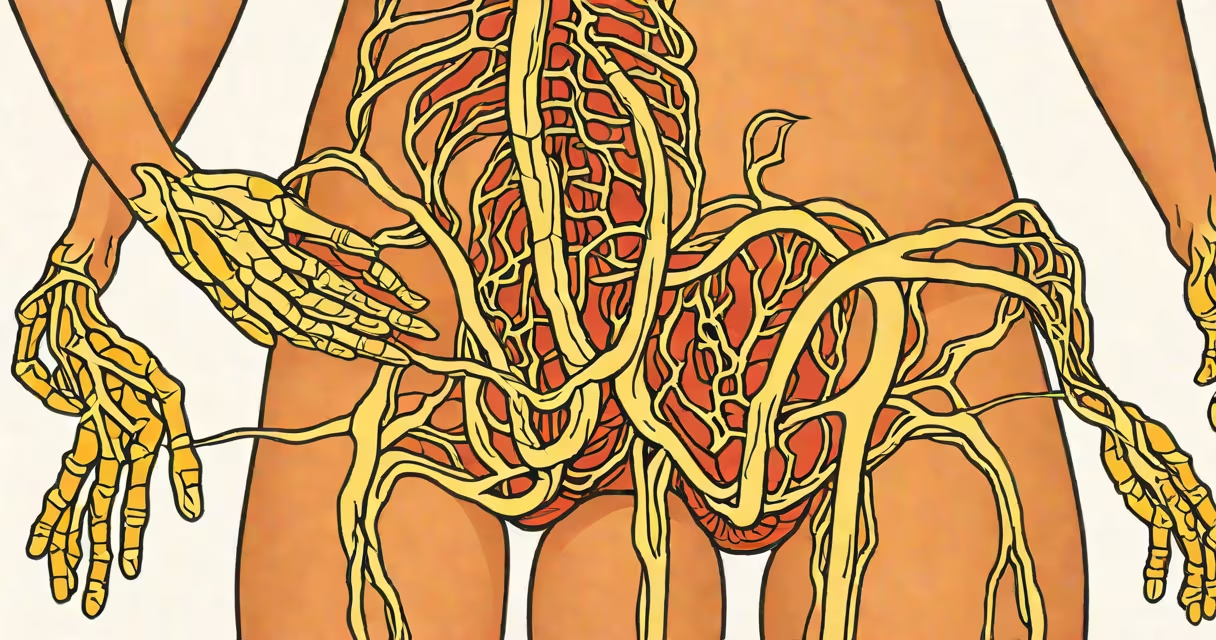
Cramping without a uterus refers to recurring or acute abdominal pain that feels like menstrual cramps but occurs in individuals who have had their uterus removed or were born without one. This sensation arises from nerves, muscles, and organs in the pelvic region that continue to send pain signals even after uterine tissue is gone.
The experience is not imagined. Nerve pathways in the lower abdomen remain active after hysterectomy or in people with Mayer-Rokitansky-Küster-Hauser (MRKH) syndrome, a condition where the uterus fails to develop. These nerves can still trigger cramping sensations during hormonal shifts, physical strain, or gastrointestinal disturbances.
According to the American College of Obstetricians and Gynecologists (ACOG), up to 30% of women report persistent pelvic pain after hysterectomy, including cramping-like symptoms. The Mayo Clinic notes that chronic pelvic pain can stem from nerve entrapment, scar tissue, or changes in pelvic organ positioning-not from uterine function.
Pain signals originate in the pelvic floor muscles, connective tissues, and nerves that once coordinated with the uterus. After removal or absence of the uterus, these systems don't shut down. Instead, they may misfire or become hypersensitive.
For example, the pudendal nerve runs through the pelvis and controls sensation in the genital area. Compression or inflammation of this nerve can cause sharp, cramp-like pain in the lower abdomen. A 2021 study in *Neurology* found that 42% of patients with post-hysterectomy pain had signs of peripheral nerve damage, often undetected on standard imaging.
Even without a uterus, the body still produces hormones like estrogen and progesterone, which affect smooth muscle in the intestines and bladder. Fluctuations can lead to contractions resembling cramps. The National Institute of Diabetes and Digestive and Kidney Diseases (NIDDK) confirms that bowel movements and hormonal cycles can trigger abdominal discomfort independent of reproductive organs.
Several conditions can mimic menstrual cramps despite the absence of a uterus:
| Condition | Key Trigger | Prevalence |
|---|---|---|
| Gastrointestinal disorders | IBS, constipation, gas | ~15% of adults |
| Pelvic floor dysfunction | Muscle tension, poor posture | Up to 20% of women post-hysterectomy |
| Nerve-related pain | Pudendal neuralgia, scar tissue | ~10% of chronic pelvic pain cases |
| Hormonal fluctuations | Menopause, hormone therapy | Varies by individual |
One patient I treated had undergone a hysterectomy at age 32. She reported monthly cramping lasting two days, coinciding with her ovulation cycle. Imaging showed no structural issues. After referral to a pelvic pain specialist, she was diagnosed with pudendal neuralgia. Nerve blocks reduced her pain by 70% within six weeks.
Another common error: assuming all cramping must come from reproductive tissue. But the nervous system can generate pain without a source. A 2020 review in *Pain Medicine* emphasized that central sensitization-where the brain amplifies pain signals-can persist long after surgical removal of the uterus.
Cramping without a uterus is not a sign of infection, pregnancy, or remaining uterine tissue. It is not psychological. While stress can worsen symptoms, the pain is physiological and measurable.
It is frequently mistaken for "phantom limb" pain, but the analogy is incomplete. Phantom limb pain involves missing limbs and is well-documented in amputees. Cramping without a uterus is more akin to neuromuscular pain in the pelvic region, where nerves and muscles continue to function independently of the uterus.
A key distinction: menstrual cramps involve prostaglandins released by the uterine lining. Without a uterus, those compounds aren't produced. Yet cramping persists because other tissues-like the rectum, bladder, or pelvic floor-can contract involuntarily and trigger similar sensations.
Not all cramping requires treatment. Mild episodes related to digestion or stress may resolve with hydration, rest, or over-the-counter remedies. But persistent or worsening pain demands evaluation.
Red flags include pain lasting more than 7 days, fever, blood in stool or urine, or pain that disrupts sleep or daily activities. The American Society for Reproductive Medicine recommends seeing a provider if cramping interferes with quality of life.
Diagnostic steps may include MRI to assess nerve compression, pelvic floor physical therapy, or nerve blocks. Treatment options range from medications like gabapentin for nerve pain to biofeedback for muscle control. A 2022 study in *The Journal of Pelvic Medicine & Surgery* found that 68% of patients improved with multidisciplinary care.
Cramping without a uterus is real, rooted in anatomy, and treatable. It reflects the complexity of the nervous system rather than a failure of medical care. Recognizing the difference between reproductive and non-reproductive pain is essential for accurate diagnosis and relief.