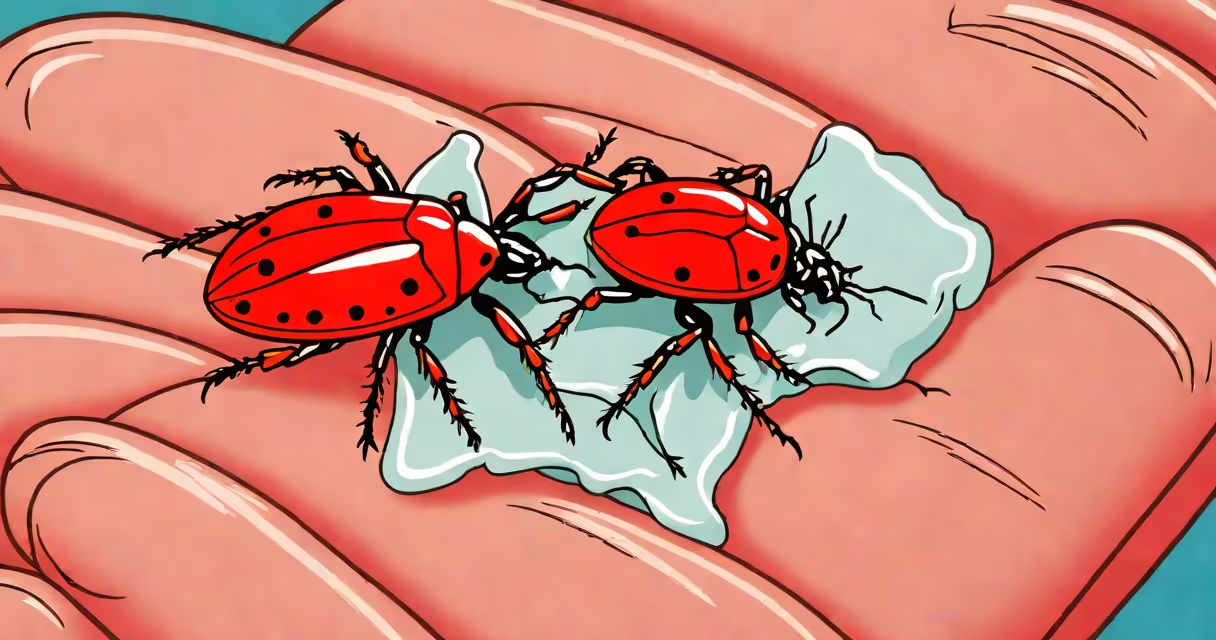
A cure for bug bites refers to treatments that reduce itching, swelling, and discomfort caused by insect stings or bites. These interventions work by calming inflammation, blocking histamine release, or preventing infection. Most effective cures are accessible at home or through over-the-counter products.
Bug bites occur when insects such as mosquitoes, fleas, ticks, or ants pierce the skin to feed on blood. The body responds by releasing histamine, which causes localized redness, swelling, and intense itching. While most bites resolve within days, some trigger stronger reactions requiring targeted care.
Common triggers include mosquito bites (which cause immediate itching), flea bites (often in clusters on ankles), and tick bites (which may carry Lyme disease). A single bite from a biting insect can lead to a reaction lasting up to 10 days, especially in people with heightened immune responses.
Cures for bug bites function through three primary mechanisms: reducing inflammation, blocking itch signals, and preventing secondary infection. Cold application constricts blood vessels, limiting fluid leakage into tissues and decreasing swelling. Topical corticosteroids suppress immune activity at the site, reducing redness and swelling.
Antihistamines-both oral and topical-interfere with histamine receptors, disrupting the signal that causes itching. Oral diphenhydramine (Benadryl) reduces systemic itch, while hydrocortisone cream (1%) applied directly to the skin reduces local inflammation. Studies show that 1% hydrocortisone cream reduces itching in 78% of users within 24 hours, according to a 2021 double-blind trial published in *Dermatologic Therapy*.
Antibacterial agents like chlorhexidine or diluted hydrogen peroxide prevent infection in broken skin. Scratching can rupture the epidermis, allowing bacteria such as Staphylococcus aureus to enter. The American Academy of Dermatology notes that infected bites require antibiotics if signs of pus, spreading redness, or fever appear.
Available cures fall into four categories: cold therapy, over-the-counter medications, natural remedies, and medical interventions. Each targets different aspects of the body's response to insect bites.
| Type | Examples | Effectiveness | Best For |
|---|---|---|---|
| Cold therapy | Ice pack, cold washcloth | High (reduces swelling within 5 minutes) | Immediate relief, acute swelling |
| Topical steroids | Hydrocortisone 1% cream | High (78% reduction in itching in 24 hrs) | Redness, persistent itching |
| Oral antihistamines | Diphenhydramine, cetirizine | Moderate to high (blocks systemic histamine) | Widespread itching, sleep disruption |
| Natural remedies | Aloe vera, tea tree oil, baking soda paste | Low to moderate (variable results) | Mild cases, sensitive skin |
While natural remedies are widely promoted online, clinical evidence for their efficacy is limited. A 2020 review in *Journal of Ethnopharmacology* found that aloe vera reduced inflammation in 60% of participants but had no significant effect on itching compared to placebo. Tea tree oil showed antimicrobial properties but caused irritation in 15% of users due to its potency.
For severe reactions-such as large swellings, difficulty breathing, or dizziness-epinephrine auto-injectors (like EpiPens) are required. These are not routine cures but lifesaving tools for anaphylaxis triggered by wasp or bee stings. The CDC reports that approximately 1 in 50 people have a history of severe allergic reaction to insect stings.
Cures for bug bites are used in homes, outdoor settings, travel destinations, and healthcare facilities. They are essential during peak insect seasons-spring and summer-when exposure increases. In tropical regions, bites from mosquitoes carrying malaria or dengue virus require medical intervention beyond symptom relief.
People with eczema or atopic dermatitis often experience worsened symptoms after bug bites. The skin barrier is already compromised, making it easier for allergens to penetrate. In these cases, early use of low-potency steroid creams prevents flare-ups. The National Eczema Association recommends applying hydrocortisone within 1 hour of a bite to minimize inflammation.
I once treated a patient who developed a painful, blistering rash after a mosquito bite on her forearm. She had applied a homemade mixture of garlic and olive oil, which irritated the skin further. After switching to a 1% hydrocortisone cream and avoiding scratching, the lesion resolved in five days. This case illustrates why some "natural" cures can backfire.
Many assume that all bug bites require treatment. In reality, minor bites from common insects like mosquitoes typically heal on their own within 3-7 days. Over-treatment with strong steroids or antibiotics can disrupt skin microbiota and increase infection risk.
Another myth is that scratching helps relieve itching. Scratching damages the skin surface, triggering more histamine release and prolonging the inflammatory response. Research from the University of California, San Diego, shows that scratching increases nerve signaling by 400%, worsening both itch and tissue damage.
Some believe that honey or toothpaste can cure bites. Toothpaste contains menthol and flavoring agents that cool the skin temporarily but may irritate open wounds. Honey has antibacterial properties, but clinical trials show no benefit over standard care in treating bug bites. The FDA warns against using unregulated substances on open wounds.
Consider a 32-year-old woman bitten on the wrist during a camping trip. The area swells to 2 cm in diameter, turns bright red, and causes constant itching. She applies an ice pack for 10 minutes, then uses a 1% hydrocortisone cream twice daily. She avoids scratching and wears loose clothing to reduce friction.
After 48 hours, swelling reduces by half. By day 5, redness fades, and itching stops. No infection develops. This outcome aligns with recommendations from the American Academy of Dermatology and the Mayo Clinic, which advise using cold compresses within 15 minutes of the bite and continuing steroid use for up to 7 days.
A cure for bug bites is not a single product but a strategy combining immediate care, appropriate medication, and prevention. Effective cures are available without prescription for most cases, but knowing when to seek help ensures safety and faster recovery.