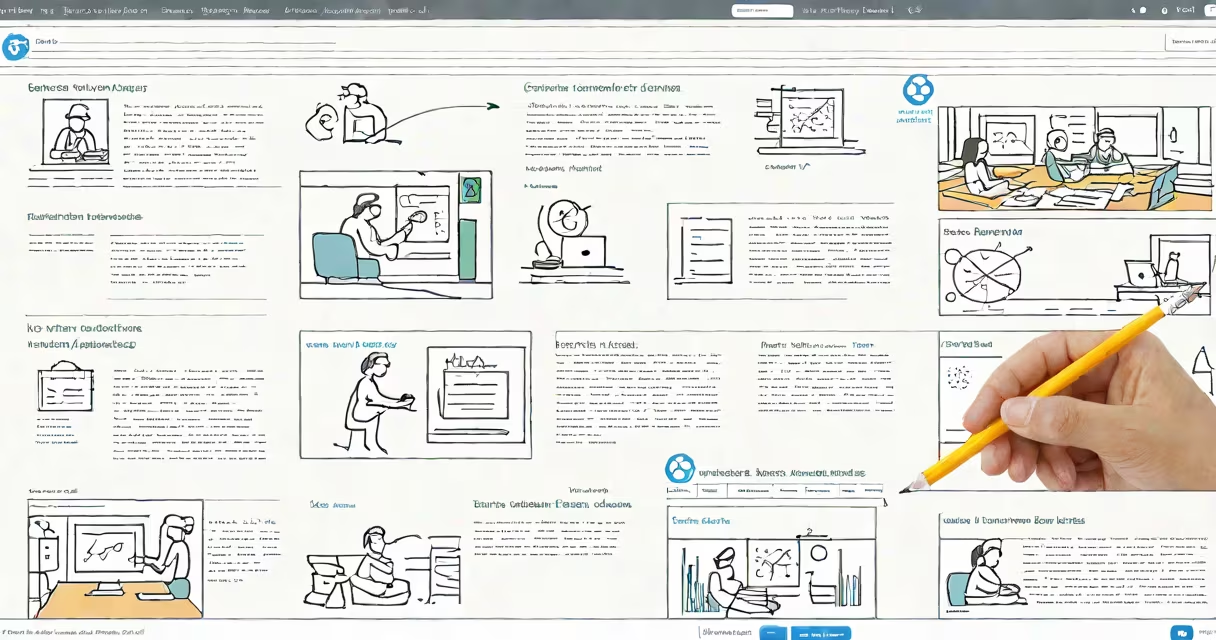
Deloitte free certification courses are structured online learning programs offered at no cost through Deloitte's global learning platform. They cover audit, consulting, technology, and business skills with practical exercises and industry-relevant content. Completion certificates validate foundational knowledge in high-demand fields.
These courses are designed for early-career professionals, students, and individuals seeking to build technical and analytical competencies. They are hosted on Deloitte's internal LMS but publicly accessible via web registration. Each module includes video lectures, interactive quizzes, downloadable resources, and scenario-based assessments. Upon finishing a course, learners receive a shareable digital certificate.
Deloitte launched this initiative in 2020 to support workforce readiness amid rising demand for digital literacy. As of 2023, over 1.2 million people have completed at least one course. The content aligns with current industry standards, including ISO 27001 for cybersecurity and IFRS for financial reporting. Courses are updated annually based on feedback from Deloitte's client engagements and partner organizations.
Learners begin by creating a free account on the Deloitte Learning website. Registration requires an email address and optional demographic data. After signing in, users browse the catalog by category-such as "Data & Analytics," "Cybersecurity," or "Business Transformation." Each course displays a duration (typically 2-6 hours), difficulty level, and required prerequisites.
Enrollment is immediate. The interface tracks progress using a percentage bar and milestone badges. Quizzes appear at the end of each section. To pass, learners must score at least 70%. Final assessments are timed and require application of concepts to realistic business cases. For example, the "Introduction to Cloud Security" course includes a simulated breach response exercise where users select appropriate actions based on risk severity and compliance requirements.
Certificates are issued automatically upon passing. They include the learner's name, course title, date of completion, and a unique verification code. These can be added to LinkedIn profiles or résumés. Deloitte does not provide transcripts or credit toward academic degrees.
The following table outlines major course categories, average time commitment, and target skills developed.
| Category | Avg. Duration | Key Skills | Example Course |
|---|---|---|---|
| Data & Analytics | 4 hours | SQL basics, dashboard design, data ethics | "Visualizing Financial Data with Power BI" |
| Cybersecurity | 3.5 hours | Risk assessment, incident response, GDPR compliance | "Protecting Sensitive Information in Cloud Environments" |
| Consulting & Strategy | 5 hours | Stakeholder communication, change management, SWOT analysis | "Driving Organizational Change in Digital Transformation Projects" |
| Technology & Innovation | 6 hours | AI ethics, blockchain fundamentals, automation workflows | "Understanding AI in Business Decision-Making" |
Each course uses real-world case studies drawn from Deloitte's client work. For instance, the "Cybersecurity" track references a 2022 incident involving a multinational bank's data leak. Learners analyze the timeline of events, identify gaps in access controls, and propose mitigation steps. This mirrors actual forensic review processes used in Deloitte's Risk & Financial Advisory practice.
Deloitte free certification courses are not equivalent to formal academic credentials. They do not replace a bachelor's degree in accounting or a master's in computer science. Nor are they accredited by regional educational bodies such as the U.S. Department of Education or AACSB.
They differ from free offerings on platforms like Coursera or edX in several ways. First, Deloitte courses are developed by practicing consultants and subject-matter experts within the firm-not external academics. Second, they emphasize applied problem-solving over theoretical models. Third, the content reflects current market demands rather than historical frameworks.
A common misunderstanding is that completing these courses guarantees job placement. While Deloitte reports that 18% of course completers received interview invitations through their career portal, the firm does not sponsor hiring. Success depends on additional qualifications, networking, and direct applications.
In 2022, Maria Chen, a junior at the University of Washington studying information systems, took the "Introduction to Data Analytics" course. She had no prior coding experience but wanted to strengthen her resume before applying for internships.
She completed the course over four weekends, dedicating 1.5 hours per session. The module on SQL queries included a hands-on lab using a sample dataset from a retail chain. Maria wrote a query to calculate monthly sales growth by region and filtered results to show only stores exceeding 15% increase.
After finishing, she added the certificate to her LinkedIn profile. Within two weeks, a recruiter from a Seattle-based fintech startup reached out, citing her course completion as evidence of initiative. She was invited to a technical screening, which led to a paid summer internship.
This outcome illustrates how the courses serve as a low-barrier entry point into competitive fields. The content is aligned with job descriptions for roles like junior analyst or operations associate. According to Deloitte's 2023 Global Talent Trends report, 64% of employers value demonstrated skills over formal education when evaluating entry-level candidates.
Access is available globally, though some courses are only offered in English. Regional versions exist for French, Spanish, and Mandarin, but not all content is translated. Users should verify language availability before enrolling.
Deloitte recommends taking courses during periods of low workload. The firm advises allocating 1-2 hours per day over 3-5 days to complete a typical module. This pacing reduces cognitive load and improves retention. Research from the Journal of Educational Psychology (2021) shows that spaced learning increases long-term recall by 37% compared to cramming.
For those planning to apply for jobs in tech or finance, completing relevant courses before submitting applications adds credibility. A 2023 survey by the National Association of Colleges and Employers found that 58% of recruiters consider completion of free professional courses as a positive signal in early-stage screening.
Deloitte free certification courses remain a valid option for building practical knowledge. They are not a substitute for deep expertise, but they provide measurable proof of engagement with core business disciplines. With consistent effort, they can open doors to internships, entry-level roles, and further education opportunities.