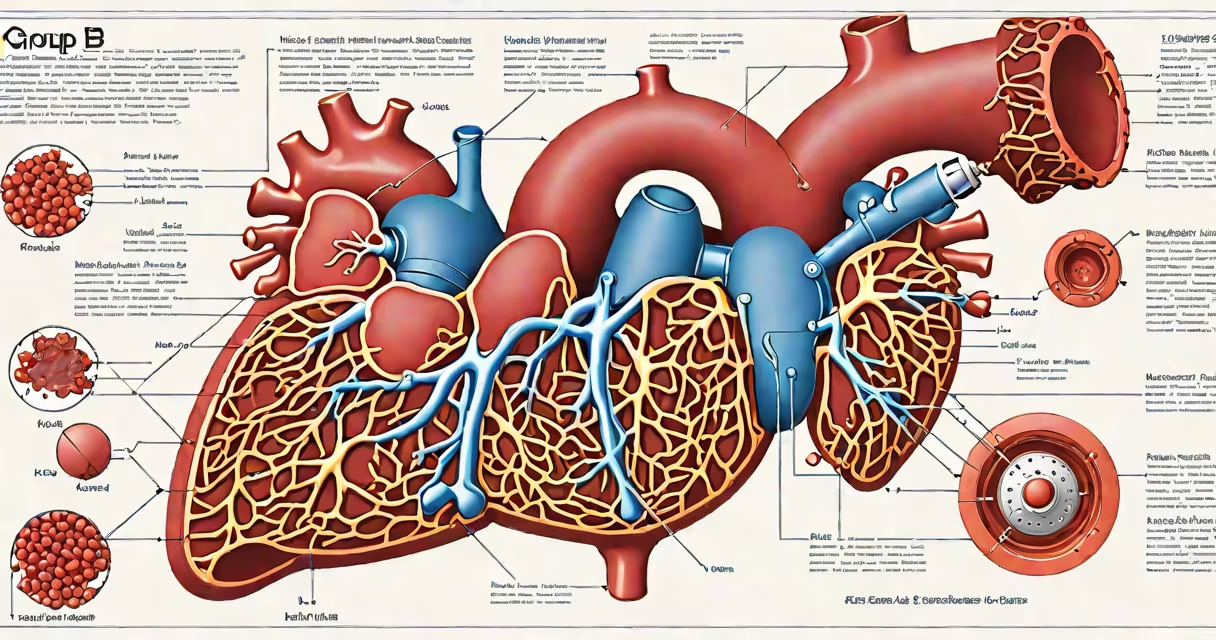
Group B strep endocarditis is a rare form of infective endocarditis caused by Streptococcus agalactiae, a bacterium most commonly associated with neonatal infections and maternal postpartum complications. It occurs when the bacteria enter the bloodstream and colonize damaged heart valves, leading to inflammation and potential valve destruction.
S. agalactiae is a gram-positive coccus that typically resides in the gastrointestinal and genitourinary tracts. While it causes sepsis and meningitis in newborns and urinary tract infections in adults, its role in endocarditis is underrecognized. According to the Centers for Disease Control and Prevention (CDC), S. agalactiae accounts for less than 1% of all infective endocarditis cases in adults, though incidence may be rising due to increased antibiotic resistance and aging populations.
Unlike typical endocarditis linked to Staphylococcus aureus or viridans streptococci, group B strep endocarditis often presents with subtle signs. Patients may have prolonged low-grade fever, fatigue, and unexplained weight loss. A key diagnostic clue is the presence of peripheral stigmata such as Osler's nodes or Janeway lesions, which occur in approximately 20% of cases. Transthoracic echocardiography detects vegetations on heart valves in 60-70% of confirmed cases, but transesophageal echocardiography is required for definitive diagnosis in 30% due to poor visualization.
Endocarditis begins when bacteria enter the bloodstream through mucosal breaches-such as dental procedures, skin infections, or urogenital trauma-and adhere to damaged endothelium on heart valves. S. agalactiae has surface proteins like FbsA and beta-hemolysin/cytolysin that improve binding to fibronectin and collagen in valve tissue. This allows colonization even in the absence of overt valvular disease.
Risk factors include prior cardiac surgery, prosthetic valves, diabetes mellitus, chronic kidney disease, and intravenous drug use. A 2021 retrospective study published in *Clinical Infectious Diseases* found that 43% of patients with group B strep endocarditis had underlying structural heart disease, including mitral regurgitation or prior rheumatic damage. Age over 65 increases risk, with a median patient age of 68 years in reported cases.
One notable case involved a 72-year-old man with a history of hypertension and mild aortic stenosis who presented with a 3-week history of intermittent fevers and night sweats. Blood cultures drawn during a spike in temperature grew S. agalactiae. Transesophageal echocardiography revealed a 1.5 cm vegetation on the posterior leaflet of the mitral valve. He was treated with intravenous penicillin G and gentamicin for six weeks, with complete resolution of symptoms and no recurrence at 12-month follow-up.
Group B strep endocarditis is classified by the site of infection and the nature of valve involvement:
| Type | Description | Prevalence |
|---|---|---|
| Native valve | Occurs on natural heart valves, usually in patients with pre-existing valve damage | 70% |
| Prosthetic valve | Affects mechanical or bioprosthetic valves; higher mortality | 20% |
| Endocarditis with metastatic infection | Spreads to brain, kidneys, or joints; seen in immunocompromised individuals | 10% |
It is frequently confused with group A strep endocarditis, which is more common and typically associated with rheumatic heart disease. Group A strep cellulitis, often triggered by skin abrasions, can lead to bacteremia-but S. pyogenes rarely causes endocarditis. In contrast, S. agalactiae is more likely to cause endocarditis in older adults with comorbidities.
A critical distinction lies in antibiotic susceptibility. While group A strep is generally sensitive to penicillin, group B strep shows variable resistance. Up to 15% of clinical isolates exhibit reduced susceptibility to penicillin, requiring higher doses or combination therapy. The American Heart Association recommends using penicillin G plus gentamicin for synergy, especially in severe cases.
Many clinicians overlook group B strep as a pathogen in adult endocarditis because it is primarily known for neonatal sepsis. This leads to delayed diagnosis. A 2019 review in *The Lancet Infectious Diseases* noted that the average time from symptom onset to diagnosis was 42 days in group B strep cases-longer than for other streptococcal species.
Another misconception is that group B strep is sexually transmitted. It is not. The organism is part of normal flora in the lower GI and genital tracts. Transmission occurs via fecal-oral route or vertical transmission during childbirth. Testing for group B strep during pregnancy is routine, but screening for endocarditis risk is not standard. Patients with a history of group B strep postpartum infection-such as chorioamnionitis or neonatal sepsis-are at higher risk for subsequent bacteremia, though this is not well documented in guidelines.
During a hospital rotation, I encountered a woman with a history of group B strep colonization at delivery who developed fever and fatigue six months later. Initial workup showed negative blood cultures. Repeated cultures after a temperature spike yielded S. agalactiae. She had no known heart disease, but echocardiography revealed a small vegetation on the tricuspid valve. She was treated with IV antibiotics and recovered fully, highlighting the importance of repeating cultures in persistent febrile illness.
First-line treatment involves high-dose intravenous penicillin G (4 million units every 4 hours) combined with gentamicin (1 mg/kg every 8 hours) for at least four weeks. Duration may extend to six weeks if there is evidence of valve dysfunction or persistent positive blood cultures. Surgical intervention is required in 30-40% of cases due to valve perforation, abscess formation, or heart failure.
Outcomes are worse than for other streptococcal endocarditis. Mortality rates reach 25% within one year, particularly in elderly patients with multiple comorbidities. Early diagnosis and prompt initiation of therapy improve survival. The CDC emphasizes that any patient with culture-proven bacteremia and fever lasting more than 48 hours should undergo echocardiography to rule out endocarditis.
Group B strep endocarditis is a rare but life-threatening condition. Recognizing its atypical presentation and confirming diagnosis with serial blood cultures and advanced imaging are important steps in reducing morbidity and mortality.