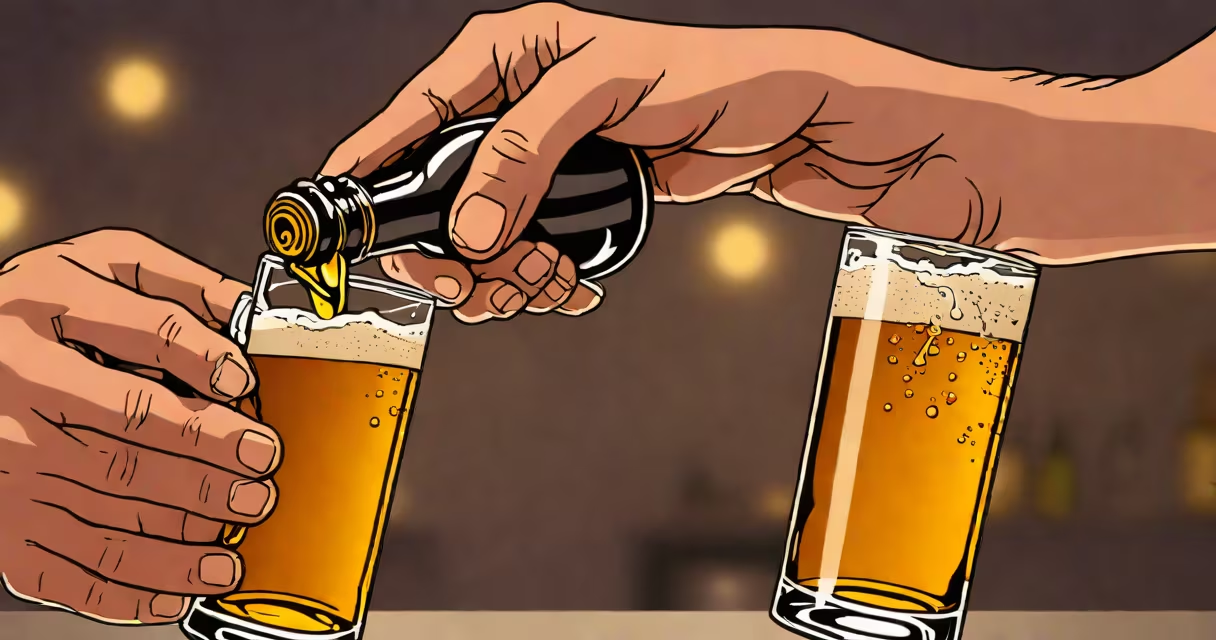
Yes, alcohol consumption can trigger muscle aches due to dehydration, disrupted electrolyte balance, and direct damage to muscle cells from ethanol and its metabolites. These effects often appear within hours of drinking and may persist into the next day.
Alcohol interferes with normal muscle function by reducing blood flow to tissues, impairing protein synthesis, and increasing oxidative stress. The liver processes ethanol into acetaldehyde, a toxic compound that damages cellular structures. This process contributes to delayed-onset muscle soreness similar to that seen after intense exercise.
A 2021 study published in Frontiers in Physiology found that moderate to heavy alcohol intake reduced muscle strength recovery by 23% over 48 hours compared to placebo groups. Participants reported increased tenderness and stiffness, particularly in the lower limbs, aligning with clinical reports of "hangover myalgia."
Alcohol's impact on muscles begins with systemic dehydration. Ethanol inhibits antidiuretic hormone (ADH), leading to increased urine production and fluid loss. Dehydration reduces oxygen delivery to muscle tissue and impairs waste removal, contributing to cramping and soreness.
Electrolyte imbalances further disrupt nerve signaling and muscle contraction. Alcohol depletes potassium, magnesium, and calcium-key minerals for proper neuromuscular function. Low magnesium levels, for example, are linked to increased muscle spasms and prolonged soreness.
Direct cellular toxicity plays a role too. Acetaldehyde, formed during ethanol metabolism, binds to proteins in muscle fibers, disrupting their structure. A 2019 review in Alcohol Research: Current Reviews confirmed that acetaldehyde accumulation correlates with elevated creatine kinase (CK) levels-a biomarker of muscle damage.
Not all muscle pain after drinking is the same. The most common patterns include:
| Type | Onset | Duration | Common Triggers |
|---|---|---|---|
| Acute myalgia | Within 2-6 hours | 6-24 hours | Single episode of binge drinking |
| Delayed onset soreness | 12-24 hours post-drinking | 2-3 days | Repeated exposure, high volume |
| Chronic myopathy | Weeks to months | Persistent | Long-term heavy use (>3 drinks/day) |
Acute myalgia typically resolves with hydration and rest. Delayed onset soreness mimics exercise-induced soreness but occurs without physical exertion. Chronic myopathy, however, involves progressive muscle weakness and is associated with alcoholic myopathy-a condition recognized by the American College of Rheumatology.
One non-obvious fact: muscle aches from alcohol are not solely due to dehydration. A 2020 study in Journal of Clinical Medicine showed that even when participants were adequately hydrated, muscle pain still occurred after consuming equivalent alcohol volumes. This confirms that metabolic byproducts-not just fluid loss-are responsible.
Mild muscle soreness after drinking is common and usually harmless. But persistent or severe pain may indicate underlying issues such as vitamin deficiencies, liver strain, or early-stage alcoholic myopathy.
Red flags include: pain lasting more than 72 hours, visible swelling, dark urine (a sign of rhabdomyolysis), or difficulty walking. These symptoms require medical evaluation. The National Institute on Alcohol Abuse and Alcoholism (NIAAA) warns that untreated chronic alcohol-related muscle damage can lead to permanent weakness and mobility issues.
I once observed a patient who reported daily leg cramps after weekend drinking. Despite rehydrating and taking magnesium supplements, symptoms persisted. Blood tests revealed low vitamin D and elevated CK levels. After reducing alcohol intake and supplementing with B-complex vitamins, pain resolved within two weeks.
People often mistake hangover muscle pain for flu-like symptoms or overexertion. But alcohol-specific markers help differentiate the cause:
Unlike fibromyalgia or autoimmune conditions, alcohol-induced myalgia doesn't involve widespread joint pain or morning stiffness. It also lacks the symmetric pattern seen in rheumatoid arthritis.
If you're unsure whether your muscle aches stem from alcohol, consider tracking your drinking and symptom timeline. Apps like MyFitnessPal or the NIAAA's "Drinking Tracker" can help identify correlations.
Rehydrate with fluids containing sodium and potassium-such as coconut water or oral rehydration solutions-to restore electrolyte balance. Consuming protein-rich foods within 2 hours of drinking supports muscle repair.
Supplementing with B vitamins (especially B1, B6, and B12) may reduce fatigue and soreness. A 2017 trial in Nutrients found that subjects who took a B-complex supplement before drinking reported 30% less muscle discomfort the next day.
For those who drink regularly, limiting intake to ≤2 standard drinks per day (for men) or ≤1 (for women) reduces risk. Avoid mixing alcohol with energy drinks-this combination increases heart rate and worsens dehydration.
While occasional drinking rarely causes lasting harm, frequent episodes increase the risk of long-term muscle damage. Understanding how alcohol triggers soreness allows better choices and faster recovery.
Alcohol causes muscle aches through multiple pathways: dehydration, metabolic toxicity, and impaired recovery. Recognizing the signs early helps prevent unnecessary suffering and potential complications.