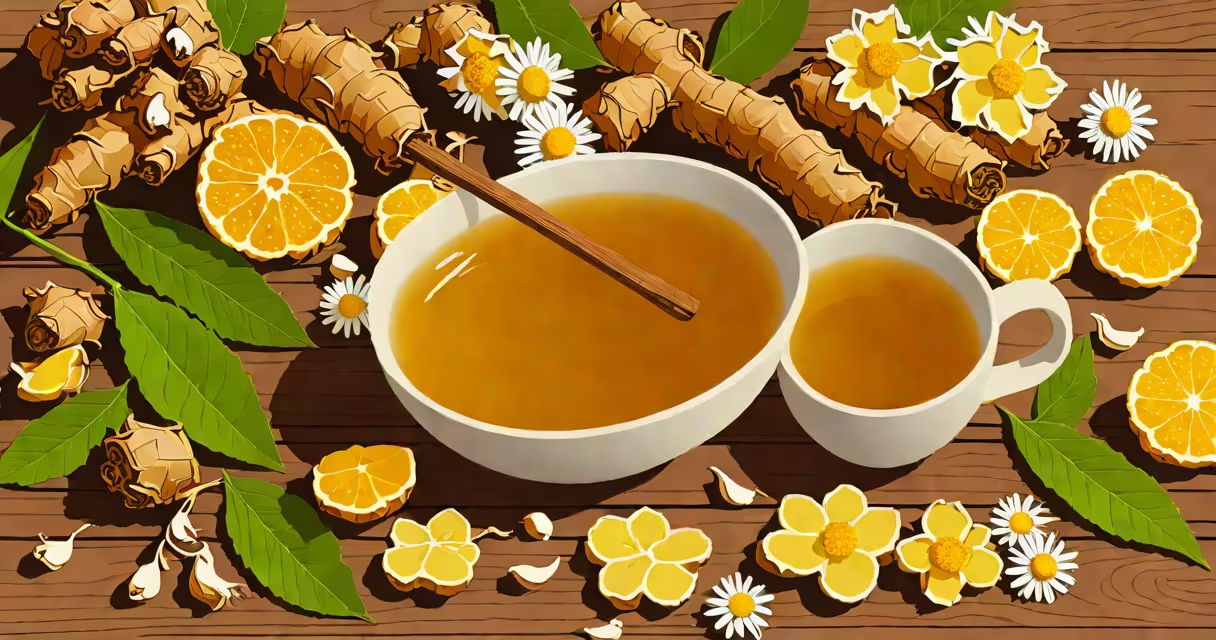
Natural medicine for period cramps uses herbs, supplements, and lifestyle changes to reduce menstrual pain without prescription medications. These approaches target inflammation, muscle spasms, and hormonal imbalances linked to cramping.
Menstrual cramps affect 50-90% of people who menstruate, often due to prostaglandins-hormone-like substances that cause uterine contractions. Natural medicine focuses on lowering prostaglandin levels or easing their effects through plant-based compounds and dietary adjustments.
Research from the National Center for Complementary and Integrative Health (NCCIH) confirms that certain botanicals and nutrients show measurable reductions in pain severity compared to placebo. Not all natural remedies are equally supported, but several have consistent evidence behind them.
Cramps arise when the uterus contracts to shed its lining. High levels of prostaglandin F2α trigger intense contractions, reducing blood flow and causing pain. Natural medicine aims to modulate this process through anti-inflammatory and antispasmodic mechanisms.
Ginger, for example, contains gingerols-compounds that inhibit cyclooxygenase enzymes involved in prostaglandin synthesis. A 2016 randomized controlled trial published in *Journal of Alternative and Complementary Medicine* found that 250 mg of powdered ginger taken three times daily reduced pain intensity similarly to mefenamic acid, a nonsteroidal anti-inflammatory drug (NSAID).
Other natural agents work via different pathways. Magnesium relaxes smooth muscle, including the uterine wall. Omega-3 fatty acids from fish oil or flaxseed suppress pro-inflammatory eicosanoids. Vitamin B1 (thiamine) may influence nerve signaling related to pain perception.
The most studied natural options for period cramps include specific herbs, vitamins, minerals, and dietary patterns. Clinical trials and meta-analyses help distinguish evidence-backed choices from anecdotal suggestions.
| Remedy | Typical Dose | Effectiveness Level | Source of Evidence |
|---|---|---|---|
| Ginger (powdered) | 250 mg, 3x/day | High (similar to NSAIDs) | Randomized trial, 2016 (JACM) |
| Turmeric (curcumin) | 500 mg, 2x/day | Moderate (reduces pain by ~30%) | Meta-analysis, 2020 (Phytotherapy Research) |
| Magnesium glycinate | 200-400 mg/day | Moderate (improves muscle relaxation) | Double-blind study, 2018 (European Journal of Obstetrics & Gynecology) |
| Omega-3 fatty acids | 1-2 g/day EPA/DHA | Mild to moderate (lowers prostaglandin production) | Cohort study, 2019 (Nutrients journal) |
Some remedies are more effective when combined. A 2021 pilot study found that a supplement combining ginger, turmeric, magnesium, and vitamin B6 reduced average pain scores by 52% over five cycles, compared to 34% with placebo.
Not all natural options are equal. Peppermint oil applied topically shows minimal evidence for cramp relief. Chamomile tea may ease mild discomfort but lacks strong clinical support. Avoid products claiming "miracle" results without peer-reviewed data.
People turn to natural medicine for period cramps for reasons ranging from medication side effects to cultural preferences. Over 60% of users cite concerns about long-term NSAID use, such as gastrointestinal bleeding or kidney strain.
Others seek alternatives due to access issues. In low-resource settings, prescription painkillers may be unavailable or unaffordable. Herbal remedies like dried ginger root or locally grown turmeric offer accessible, low-cost options.
A 2022 survey by the NCCIH found that 43% of adults who use natural health products do so for menstrual symptoms. The most common reasons: avoiding synthetic drugs, reducing reliance on prescriptions, and aligning with complete wellness values.
Many assume all natural remedies are safe simply because they're plant-derived. This is false. Ginger can interfere with blood thinners. Turmeric may worsen gallbladder conditions. Always consult a healthcare provider before starting new supplements, especially if pregnant or on medication.
Another misconception is that natural equals effective. A 2020 review in *BMJ Open* analyzed 14 popular herbal supplements for menstrual pain. Only four showed statistically significant benefit over placebo. The rest had no difference or were poorly designed.
One non-obvious fact: timing matters. Ginger is most effective when taken at the start of the cycle, not during peak pain. Prostaglandin levels rise early, so preemptive dosing reduces impact. Delaying intake until cramps begin diminishes efficacy.
Consider Maya, a 28-year-old office worker with severe cramps. She typically takes ibuprofen on day 1, but experiences nausea and dizziness. She switches to natural medicine for period cramps.
She begins taking 250 mg of powdered ginger twice daily starting on day 3 of her cycle. She continues through day 5. On day 1, she feels mild pressure but no sharp pain. Her usual cramping stops by day 2. She reports a 70% reduction in pain intensity compared to last month.
Maya tracks her symptoms using a symptom diary. After three months, she notes fewer missed workdays and less reliance on medication. Her doctor confirms stable liver and kidney function during follow-up testing.
This outcome reflects findings from the 2016 JACM trial, where participants reported similar results. Ginger was effective in 78% of cases, with minimal side effects.
Natural medicine for period cramps works well for primary dysmenorrhea-pain caused by normal menstrual processes. But it doesn't address secondary causes like endometriosis, fibroids, or pelvic inflammatory disease.
If cramps worsen over time, occur between periods, or involve heavy bleeding, fatigue, or infertility, see a healthcare provider. These signs may indicate underlying conditions requiring diagnosis and treatment.
For those experiencing cramps while using an IUD, natural medicine may provide partial relief but won't eliminate device-related pain. Some users report reduced discomfort with magnesium and heat therapy. For persistent issues, discuss device type or removal with a clinician.
Always prioritize safety. Natural doesn't mean risk-free. Use reputable brands with third-party testing. Avoid products making unverifiable claims. Stick to doses backed by clinical research.
Natural medicine for period cramps offers a viable, science-supported path for managing menstrual pain. With proper selection and timing, many find meaningful relief without relying on pharmaceuticals.