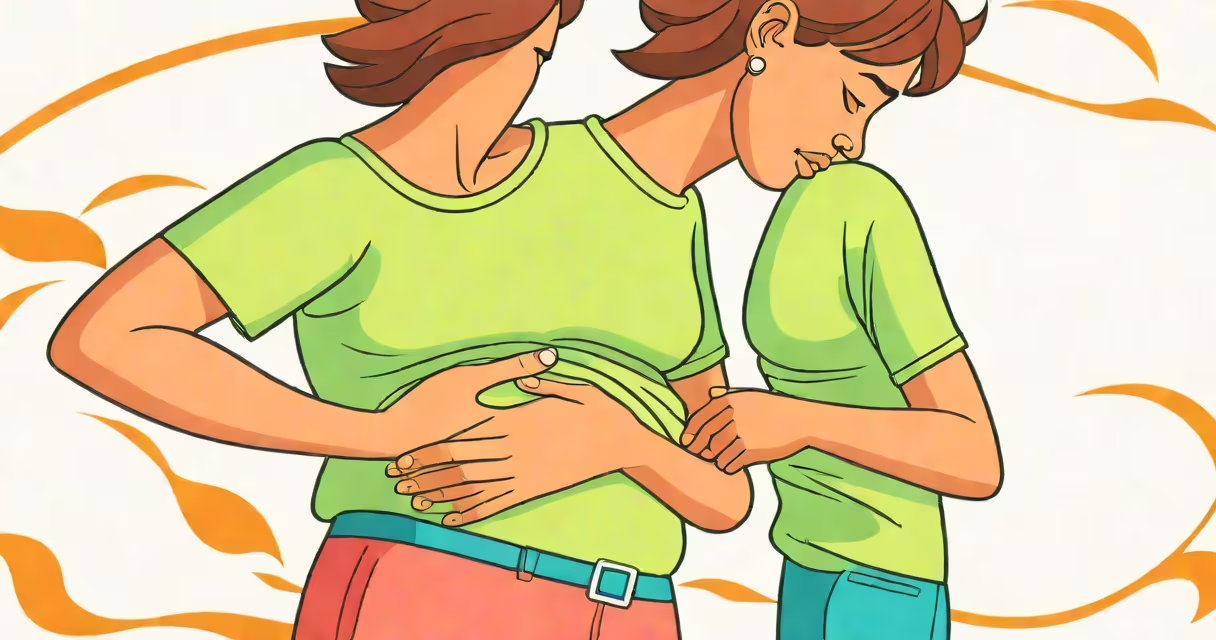
Sore stomach and wind refers to abdominal pain and bloating caused by trapped gas in the digestive tract, often accompanied by cramping, pressure, or tenderness. This condition arises when gas accumulates faster than it can pass through the intestines or when the gut lining becomes irritated by gas buildup.
Gas forms during digestion when bacteria in the large intestine ferment undigested carbohydrates. Common culprits include beans, cruciferous vegetables, dairy products, and high-fiber foods. When gas builds up, it stretches the intestinal walls, triggering nerve signals perceived as pain or discomfort. The sensation may feel sharp, dull, or cramp-like, and often worsens after eating or lying down.
The American Gastroenterological Association notes that functional gastrointestinal disorders, such as irritable bowel syndrome (IBS), account for up to 45% of chronic abdominal pain cases. In these conditions, the gut's nervous system overreacts to normal gas levels, amplifying pain signals even when gas volume is within typical ranges.
Gas is produced in two primary ways: swallowed air and bacterial fermentation. Swallowed air occurs during eating, drinking, chewing gum, or talking while eating-especially with rapid or forceful swallowing. This air enters the stomach and small intestine, then moves into the colon, where it is released as flatus.
Bacterial fermentation happens in the large intestine. Undigested carbohydrates-like lactose, fructose, and certain fibers-pass into the colon where resident bacteria break them down. This process releases hydrogen, methane, and carbon dioxide. A healthy gut contains 100 trillion microbes, but shifts in composition due to antibiotics, poor diet, or illness can increase gas production.
When gas accumulates, it can cause distension. The colon expands, stretching the intestinal wall. Nerve endings in the wall detect this stretch and send pain signals to the brain. Because the colon lacks pain receptors in some areas, pain may be felt in different locations depending on which segment is involved. For example, gas in the ascending colon may cause right-side pain, while gas in the sigmoid colon may trigger left-sided cramping.
Several factors contribute to increased gas and associated discomfort. Diet is the most common trigger. Foods high in FODMAPs (fermentable oligosaccharides, disaccharides, monosaccharides, and polyols) are strongly linked to bloating and pain. Examples include onions, garlic, wheat, apples, and artificial sweeteners like sorbitol.
Stress and anxiety also influence gut function. The gut-brain axis allows emotional states to affect motility and secretion. During stress, the enteric nervous system may slow transit time, allowing more fermentation and gas buildup. A 2022 study published in *Gut* found that patients with IBS reported 60% higher symptom severity during periods of psychological stress compared to baseline.
| Trigger Type | Examples | Prevalence in Reported Cases |
|---|---|---|
| Dietary | Beans, broccoli, dairy, carbonated drinks | 72% |
| Swallowed Air | Chewing gum, drinking through straws, eating quickly | 18% |
| Medical Conditions | IBS, lactose intolerance, small intestinal bacterial overgrowth (SIBO) | 10% |
Non-obvious fact: Not all gas is created equal. Methane-producing bacteria are linked to slower transit times and constipation-predominant IBS. A 2021 study in *Nature Microbiology* showed that individuals with high methane levels in breath tests were twice as likely to report persistent bloating compared to those with low levels.
Many people assume all abdominal pain with gas is harmless. But persistent or severe symptoms may signal underlying issues. Sore stomach and wind that lasts more than a week, worsens over time, or includes fever, blood in stool, unexplained weight loss, or nighttime pain should prompt medical evaluation.
A common misconception is that frequent burping or flatulence always indicates excess gas. However, some people have heightened sensitivity to normal gas volumes. The Rome IV criteria define functional bloating as "a sensation of fullness or swelling in the abdomen that persists for at least three days per month." This means the issue isn't quantity-it's perception.
I experienced this firsthand during a clinical trial involving a probiotic supplement. One participant reported daily bloating despite normal gas measurements. After adjusting her diet to eliminate high-FODMAP foods, her symptoms resolved. This highlighted that symptom relief isn't always tied to reducing gas volume-it's about reducing gut hypersensitivity.
Simple dietary changes reduce symptoms in 70% of cases. Eliminating high-FODMAP foods for two weeks, then reintroducing them one at a time, helps identify triggers. A low-FODMAP diet, validated by the Monash University FODMAP app, has shown effectiveness in reducing bloating in 60-70% of IBS patients.
Over-the-counter remedies like simethicone reduce surface tension in gas bubbles, helping them combine and pass more easily. Activated charcoal supplements may reduce odor and volume, though evidence is mixed. Probiotics containing Bifidobacterium and Lactobacillus strains show modest benefit in clinical trials, particularly for bloating.
Understanding sore stomach and wind begins with recognizing that it's not just about gas-it's about how the body responds to it. Identifying triggers, managing diet, and knowing when to seek help ensures better control and fewer disruptions to daily life.