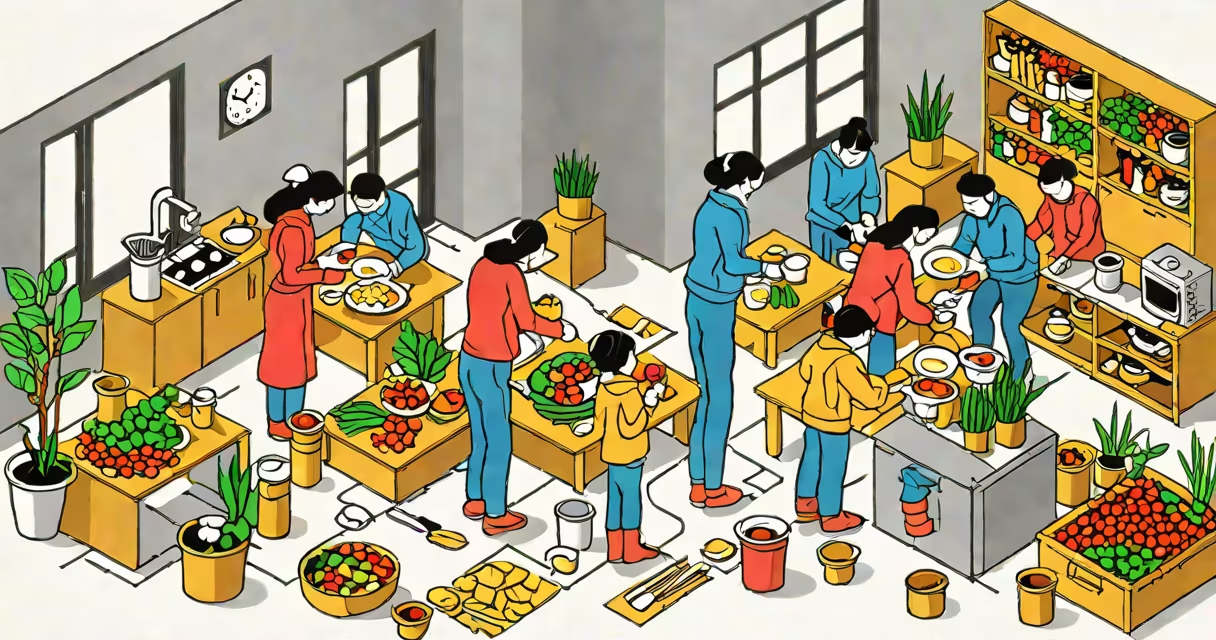
Special TET 2026 is the Vietnamese Lunar New Year celebration, observed from January 29 to February 6, 2026. It marks the beginning of the lunar calendar year with family reunions, ancestral offerings, and festive traditions.
TET, derived from "Tết Nguyên Đán," is the most significant holiday in Vietnam. It spans seven days, beginning on the first day of the lunar month and ending on the seventh. In 2026, the holiday falls between January 29 and February 6, aligning with the Year of the Dragon. The date shifts yearly based on the lunar cycle, which runs approximately 29.5 days per phase.
During Special TET 2026, public holidays are declared nationwide. Government offices, schools, and businesses close for the duration. Travel demand surges, with millions returning to hometowns. Airlines report a 40% increase in domestic bookings compared to average months, according to Vietnam Civil Aviation Authority data from 2023.
The holiday follows the lunisolar calendar, blending solar and lunar cycles. The start date is determined by the new moon closest to the spring equinox. This year, the new moon occurs on January 29, 2026, making it the official start of TET.
Families prepare weeks in advance. Homes are cleaned to remove bad luck, decorated with red and gold flowers, and adorned with peach or apricot blossoms symbolizing prosperity. Children receive red envelopes (lì xì) containing money for good fortune. Traditional dishes like bánh chưng (sticky rice cake) and mứt (fruit preserves) are made in bulk.
On the first day, families perform ancestral worship at home altars. Incense is burned, and offerings of fruit, tea, and food are placed. The ritual honors ancestors and seeks blessings for the coming year. The second day is reserved for visiting relatives and neighbors, reinforcing social bonds.
While core customs remain consistent, regional differences exist. In northern Vietnam, families prioritize ancestral rites and formal greetings. In central regions, people emphasize spiritual cleansing and temple visits. Southern communities often include lion dances and fireworks displays.
One lesser-known practice is the "bài vị" ritual, where households place a small altar in their bedroom to honor deceased family members. This custom is rare outside rural areas but still observed in provinces like Ninh Bình and Quảng Trị.
| Region | Distinctive Tradition | Timing |
|---|---|---|
| North | Ancestral altar setup with incense and fruit | Day 1 |
| Central | Temple visits and spirit purification ceremonies | Day 2-3 |
| South | Lion dance performances and firecrackers | Day 1-2 |
Red envelopes (lì xì) are exchanged only by elders to younger family members. The amount varies-typically between 50,000 and 500,000 VND (about $2-$20 USD)-but never in even numbers, as those are associated with funerals.
Many assume Special TET 2026 is solely a religious festival. It is not. While rooted in Confucian, Buddhist, and indigenous beliefs, it is a secular national holiday. Public observance is not tied to faith but to cultural identity.
Another myth is that TET begins on the first day of the lunar month. Technically correct-but the actual holiday period starts on the day of the new moon, not the first day of the lunar cycle. The difference matters for scheduling. For example, in 2026, the lunar new moon is on January 29, but the lunar month begins on January 28. This causes confusion in calendars.
A third misconception is that TET is only celebrated in Vietnam. It is observed by overseas Vietnamese communities in the U.S., Canada, Australia, and France. In San Jose, California, the annual TET parade draws over 20,000 attendees each year, according to city records.
Travel during Special TET 2026 is challenging. Domestic flights and trains sell out weeks in advance. The busiest travel days are January 28-30, leading up to the holiday. Prices rise by 30-50% compared to off-peak times.
I once traveled from Ho Chi Minh City to Hanoi during TET 2023. My flight was delayed by five hours due to weather and high passenger volume. I arrived at 3 a.m. and had to wait four hours at the airport before finding a taxi. This experience taught me that planning ahead is essential.
For visitors, it's best to arrive at least ten days before January 29. Hotels in major cities like Hanoi and Da Nang book out by November. Booking early reduces costs and avoids last-minute stress. The government recommends avoiding travel on the first two days of the holiday due to traffic congestion.
Special TET 2026 is not a single day but a week-long cultural event centered on renewal, family, and tradition. It reflects Vietnam's deep-rooted values of respect, harmony, and continuity. The holiday is not religious, though it incorporates spiritual elements. It is not a commercial festival, despite rising consumer spending.
According to UNESCO's Intangible Cultural Heritage list, TET is recognized as a living tradition passed through generations. The organization notes that "Tết embodies the collective memory of Vietnamese society, linking past, present, and future."
If you're planning to attend, consider attending a community event. Many cities host free cultural festivals. In Hoi An, the lantern-lit streets and traditional music performances draw international guests. Check local listings for events near your destination.