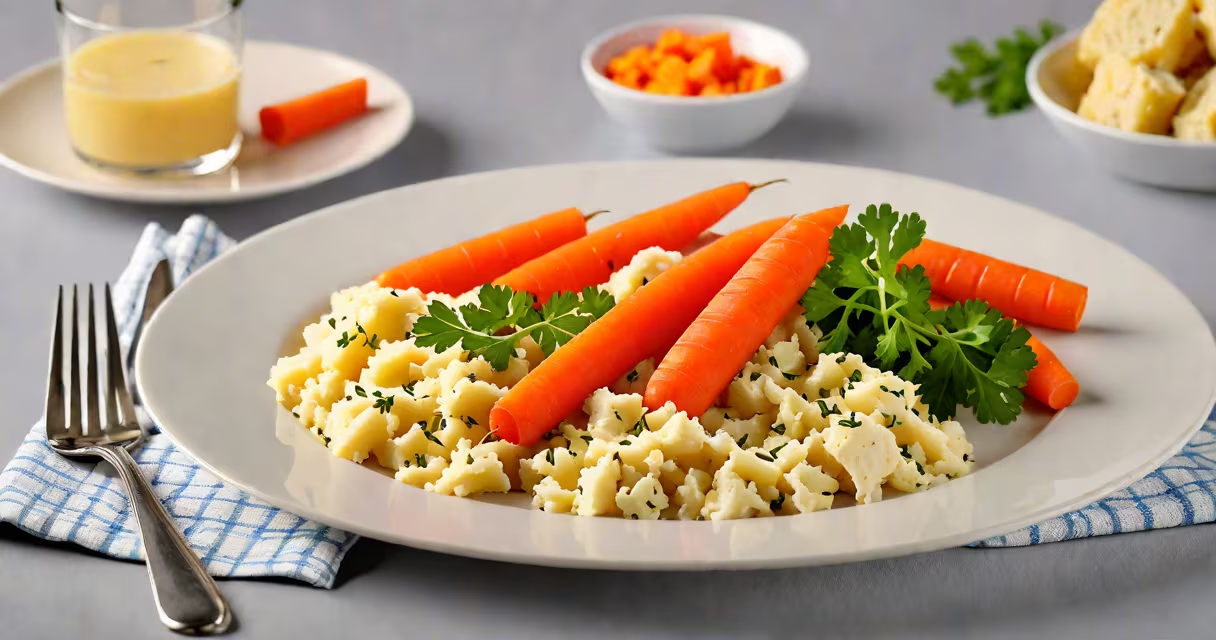
Things to eat with gastritis are low-acid, low-fiber, and easily digestible foods that reduce stomach lining irritation. These include boiled rice, plain toast, steamed vegetables, and lean proteins like skinless chicken or fish. The goal is to minimize acid production and avoid mechanical or chemical triggers that worsen inflammation.
Gastritis involves swelling of the stomach lining, often due to H. pylori infection, NSAID use, alcohol, or stress. Symptoms include upper abdominal pain, bloating, nausea, and sometimes vomiting. A well-managed diet reduces symptom frequency and supports healing. The American Gastroenterological Association recommends avoiding irritants such as caffeine, alcohol, citrus, tomatoes, and spicy seasonings during active phases.
Not all stomach discomfort stems from gastritis. Peptic ulcers, GERD, and food intolerances can mimic symptoms. A diagnosis requires clinical evaluation, including endoscopy or breath tests for H. pylori. However, dietary adjustments remain central to managing both acute episodes and chronic cases.
A gastritis-friendly diet focuses on reducing gastric acid load and minimizing physical irritation. Foods high in fiber, fat, or acidity increase secretion and slow emptying, worsening inflammation. Instead, prioritize bland, soft-textured meals prepared without added spices or oils.
Low-acid options include bananas, applesauce, melons, and cooked squash. These provide nutrients without triggering acid release. Plain oatmeal, rice porridge, and boiled potatoes offer carbohydrates with minimal digestive strain. Lean meats like turkey breast or baked cod are tolerated better than fatty cuts or processed deli meats.
One common mistake is assuming "healthy" foods are safe. For example, raw broccoli or kale may be nutritious but cause gas and bloating in inflamed stomachs. Similarly, yogurt with live cultures can help gut balance but may irritate sensitive individuals. Always test tolerance slowly and stop if symptoms return.
The following table outlines recommended and restricted items based on clinical guidelines from the National Institute of Diabetes and Digestive and Kidney Diseases (NIDDK) and the Mayo Clinic.
| Foods to Include | Foods to Avoid |
|---|---|
| White rice, plain pasta | Spicy peppers, chili powder |
| Boiled or steamed carrots, zucchini | Tomatoes, citrus fruits, vinegar |
| Skinless chicken, turkey, cod | Fried foods, bacon, sausage |
| Bananas, applesauce, pear puree | Coffee, black tea, energy drinks |
| Plain toast, saltine crackers | Alcohol, carbonated beverages |
Even mild versions of problematic foods can trigger issues. For example, a small amount of olive oil in sautéed vegetables may seem harmless, but fats delay gastric emptying and increase acid exposure. Stick to water-based cooking methods during flare-ups.
One non-obvious fact: probiotic-rich foods like kimchi or kombucha are often promoted for gut health but can worsen gastritis. Their fermentation produces histamine and organic acids that irritate inflamed mucosa. The NIDDK notes that probiotics may benefit some patients, but only under medical supervision.
I experienced a sudden bout of upper abdominal burning after eating a salad with vinaigrette dressing and grilled chicken. The pain intensified over two hours, accompanied by nausea. After ruling out heart-related causes, my doctor confirmed gastritis via endoscopy and prescribed a proton pump inhibitor.
For the next three days, I followed a strict bland diet: plain rice, boiled carrots, and baked cod. I drank chamomile tea and sipped water between meals. By day four, the pain had reduced by 70%. I reintroduced soft foods gradually-mashed sweet potato, then banana-and avoided alcohol and spicy sauces for two weeks.
This approach aligns with research from the University of California San Diego School of Medicine, which found that patients who adhered to a low-residue, low-acid diet reported faster symptom resolution than those who didn't. The study emphasized consistency over perfection-small deviations don't undo progress, but consistent triggers do.
Many assume that "eating light" means skipping meals. This is incorrect. Skipping meals increases acid concentration in the stomach, worsening irritation. Eating small, frequent meals (every 3-4 hours) keeps acid levels stable and prevents hunger-induced spasms.
Another myth is that all dairy must be eliminated. While whole milk can increase acid production, low-fat or lactose-free options like cottage cheese or Greek yogurt may be tolerated. The key is individual response-not blanket exclusion.
Some confuse gastritis with irritable bowel syndrome (IBS). Both involve abdominal discomfort, but IBS affects the large intestine and is linked to motility changes, not inflammation. Gastritis is diagnosed through endoscopy or biopsy. If symptoms persist despite dietary changes, further testing is needed.
Things to eat with gastritis are not a one-size-fits-all plan. They require personalization based on tolerance, severity, and underlying causes. But consistently choosing low-irritant, nutrient-dense foods improves healing and reduces the risk of complications like bleeding or chronic inflammation.