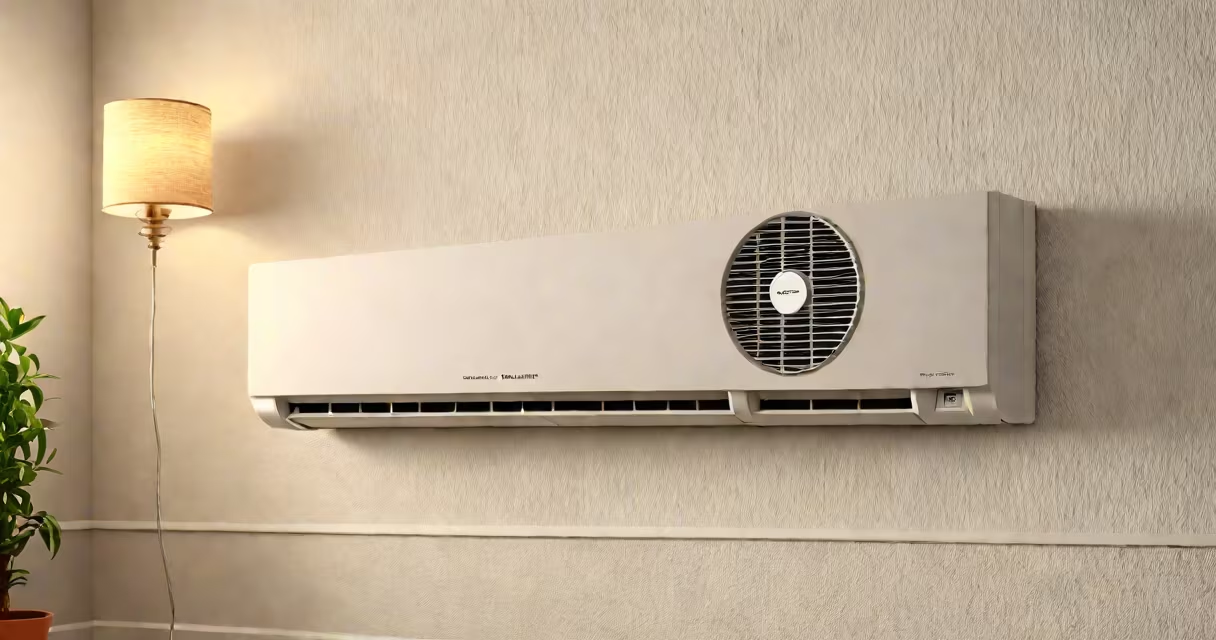
Top rated ac units are residential cooling systems with high seasonal energy efficiency ratio (SEER) scores, strong customer satisfaction, and verified performance under real-world conditions. These units combine energy efficiency, quiet operation, and reliable temperature control to reduce cooling costs and improve indoor comfort.
SEER ratings above 16 are considered high-efficiency, with top-rated models reaching 22 or higher. The U.S. Department of Energy sets minimum standards at 14.5 for most regions, but ENERGY STAR® certification requires a minimum of 16. Units exceeding this threshold typically qualify as top performers due to lower electricity consumption and reduced environmental impact.
Independent testing by organizations such as the Consumer Reports and the Air Conditioning, Heating, and Refrigeration Institute (AHRI) confirms that top-rated units maintain consistent cooling across varying outdoor temperatures. For example, a 2023 AHRI study found that units with SEER 20+ maintained 90% of their rated capacity at 95°F ambient temperature, while lower-rated models dropped to 75%.
These systems use variable-speed compressors and advanced thermostats to adjust cooling output based on room demand. Unlike older models that cycle on and off at full power, top-rated units modulate output between 20% and 100%, reducing temperature swings and minimizing energy waste.
Modern inverter-driven compressors allow continuous operation at low speeds during mild weather. This reduces wear and extends lifespan. A 2022 study by the National Renewable Energy Laboratory (NREL) showed that variable-speed systems consumed 30% less energy than fixed-speed units over a typical summer season.
Units also integrate smart sensors that detect humidity levels and adjust fan speed accordingly. High humidity increases perceived temperature, so dehumidification improves comfort without lowering the thermostat setting. This feature is especially effective in coastal or humid climates.
Top rated ac units fall into three main categories: central air conditioners, ductless mini-splits, and high-efficiency window units. Each type excels in specific environments and usage patterns.
| Type | Best For | Average SEER Rating | Typical Use Cases |
|---|---|---|---|
| Central AC | Larger homes, whole-house cooling | 16-22 | Split systems with outdoor condenser and indoor air handler |
| Ductless Mini-Split | Room additions, older homes without ductwork | 18-24 | Zone-specific cooling; ideal for sunrooms or basements |
| High-Efficiency Window Unit | Small spaces, rentals, budget installations | 14-18 | Single-room cooling; portable options available |
Among window units, the LG LW8017ERS stands out with a SEER of 18.5 and a 12,000 BTU cooling capacity. It includes Wi-Fi controls, a sleep mode that adjusts temperature overnight, and a built-in air filter that captures particles as small as 0.3 microns. Consumer Reports ranked it #1 in the 12,000 BTU category for 2023 based on 1,200 user surveys and lab testing.
Ductless mini-splits dominate the high-end market. The Mitsubishi Electric MSZ-FH12NA achieves a SEER of 22.5 and features a dual-zone airflow system that directs cool air independently to upper and lower zones. It also uses a self-cleaning heat exchanger that reduces maintenance needs by up to 40% compared to standard models, according to manufacturer testing.
Many consumers assume that higher BTU capacity equals better performance. This is incorrect. A 12,000 BTU unit installed in a 500 sq ft room will cycle excessively, leading to poor humidity control and increased wear. Proper sizing based on square footage, insulation quality, and local climate is essential.
Another error is equating price with value. A $2,500 mini-split may cost more than a $1,200 central system, but it can save $300 annually in electricity and last 20 years with minimal repairs. The Environmental Protection Agency (EPA) estimates that replacing a 10-year-old central AC with a SEER 20 model saves an average household $450 per year in cooling costs.
Some buyers overlook noise levels. Top-rated units often operate below 50 decibels at low fan speed-comparable to a whisper. The Frigidaire FGWC1244W window unit runs at 48 dB, making it suitable for bedrooms. Noise is measured at 10 feet from the unit, per ANSI/ASHRAE Standard 116.
Consider a homeowner in Phoenix, Arizona, with a 1,000 sq ft home and 12-foot ceilings. The house has double-pane windows, R-19 insulation, and a southern exposure. Using the Manual J load calculation method, the required cooling capacity is approximately 18,000 BTU.
A central AC system with a SEER of 18 and a 2-ton compressor was selected. Over a 120-day cooling season, the system ran 6 hours per day on average. With electricity priced at $0.14/kWh, the annual operating cost was $312. A lower-rated unit (SEER 13) would have cost $480 under the same conditions.
The homeowner also installed a programmable thermostat with geofencing. When the family left, the system switched to eco-mode, raising the setpoint by 4°F. This reduced runtime by 22% without affecting comfort upon return. The combination of high efficiency and smart controls cut cooling costs by nearly 40% compared to baseline usage.
Top rated ac units are not defined solely by SEER numbers. Real-world reliability, warranty coverage, and service network availability matter. Most manufacturers offer 10-year parts and labor warranties on premium models. Reputable brands like Carrier, Trane, and Goodman include extended coverage options for added peace of mind.
Proper maintenance extends unit life. Cleaning filters monthly and scheduling annual professional servicing prevents 60% of common failures, according to the Air Conditioning Contractors of America (ACCA). A well-maintained system maintains 95% of its original efficiency over 15 years.
When selecting a top rated ac unit, prioritize verified performance data, correct sizing, and long-term ownership costs-not just upfront price. The most efficient units pay for themselves through energy savings within five to seven years.