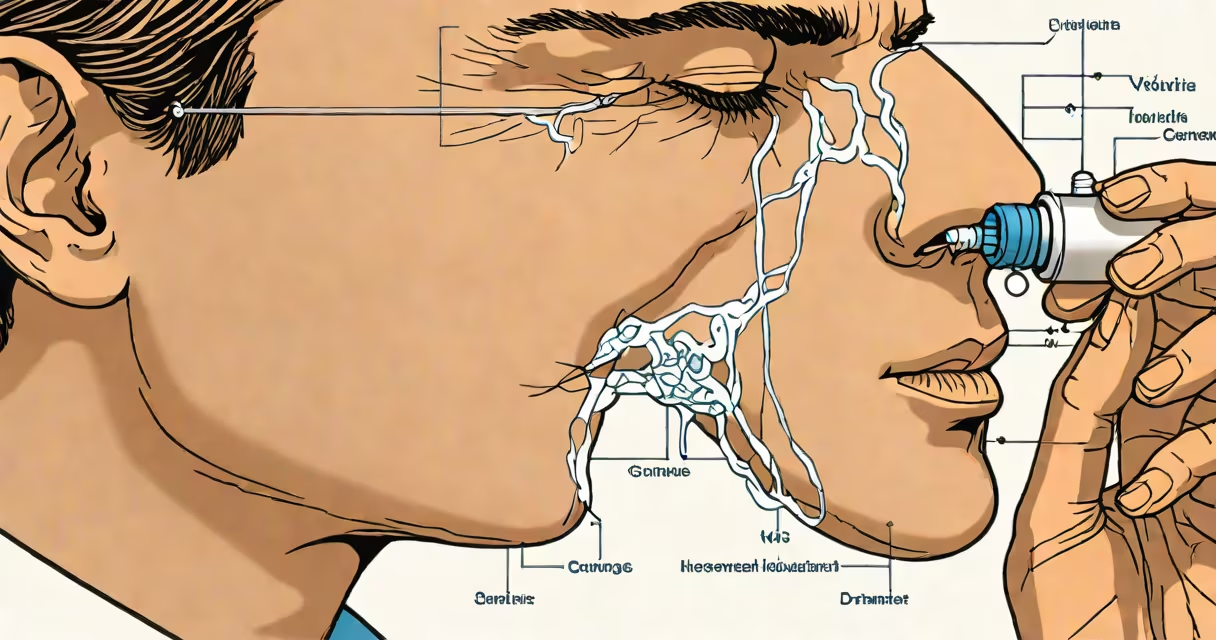
A good sinus decongestant reduces swelling in nasal tissues, opens airways, and relieves pressure caused by mucus buildup during colds, allergies, or sinus infections. Effective options include topical sprays with oxymetazoline or oral pills with pseudoephedrine, both proven to shrink swollen nasal passages within 15 minutes.
Decongestants work by constricting blood vessels in the nasal lining. This reduces fluid leakage and swelling, allowing better airflow. They do not treat infection or inflammation directly but relieve symptoms that impair breathing and sleep. The most effective agents are oxymetazoline (in nasal sprays) and pseudoephedrine (in oral tablets).
According to the American Academy of Otolaryngology-Head and Neck Surgery, decongestants provide short-term relief for acute sinus congestion but should not be used beyond five days continuously. Prolonged use causes rebound congestion, worsening the original problem. The FDA warns against using nasal sprays longer than recommended due to risk of dependency and tissue damage.
When inflamed, nasal mucosa swells and traps mucus. Blood vessels dilate, increasing fluid flow into the tissues. Decongestants reverse this process by stimulating alpha-adrenergic receptors, causing vasoconstriction. This shrinks swollen tissues and opens airways.
Oxymetazoline, found in over-the-counter sprays like Afrin, acts locally in the nose. It takes effect in under 10 minutes and lasts four to six hours. Because it's applied directly, systemic absorption is low. However, it can still cause side effects such as dryness, burning, or increased heart rate in sensitive individuals.
Pseudoephedrine, available in tablets like Sudafed or in combination products like DayQuil Cold & Flu, works systemically. It reaches the bloodstream and affects nasal and other tissues. Onset takes 15 to 30 minutes, with effects lasting up to six hours. Its systemic action increases risk of jitteriness, insomnia, or elevated blood pressure-especially in people with hypertension.
Decongestants fall into two categories: topical (nasal sprays) and oral (tablets). Each has distinct benefits and risks based on delivery method and duration of use.
| Type | Active Ingredient | Onset Time | Duration | Best For |
|---|---|---|---|---|
| Nasal Spray | Oxymetazoline | 5-10 min | 4-6 hr | Quick relief, single-sided blockage |
| Oral Tablet | Pseudoephedrine | 15-30 min | 4-6 hr | Full nasal congestion, daytime use |
Topical sprays offer rapid symptom relief. A 2020 study in *The Journal of Allergy and Clinical Immunology* found oxymetazoline reduced nasal resistance by 60% within 15 minutes in 87% of participants with allergic rhinitis. However, the same study noted that prolonged use led to rebound congestion in 32% of users after seven days.
Oral decongestants are better suited for widespread congestion. Pseudoephedrine improves airflow in both nostrils and supports daytime function. A 2019 clinical trial published in *Frontiers in Pharmacology* showed that patients taking 60 mg pseudoephedrine twice daily reported 40% greater improvement in nasal obstruction scores compared to placebo after three days.
Many assume all decongestants are interchangeable. That's false. Oxymetazoline is not safe for long-term use. The FDA restricts over-the-counter nasal sprays to 12 doses per day and no more than five consecutive days. Using them longer leads to rhinitis medicamentosa-a condition where the nose becomes permanently congested due to dependence on the medication.
Another misconception is that decongestants treat the root cause of sinus issues. They don't. They mask symptoms. If congestion persists beyond ten days, or is accompanied by fever, facial pain, or discolored discharge, it may indicate bacterial sinusitis requiring antibiotics. Self-treating with decongestants delays proper diagnosis.
There's also confusion between decongestants and antihistamines. Antihistamines reduce histamine-driven allergy symptoms like runny nose and sneezing. Decongestants reduce swelling. Combining both-like in Claritin-D-can improve symptom control. But adding a decongestant to an antihistamine increases risk of drowsiness, dry mouth, and high blood pressure.
Use a good sinus decongestant only when needed. Apply nasal sprays once per nostril, no more than twice daily. Take oral tablets every 4 to 6 hours, not exceeding two doses per day unless directed by a doctor.
For example, a 34-year-old office worker developed severe congestion after a viral upper respiratory infection. He used oxymetazoline spray every 4 hours for six days. By day seven, his congestion worsened despite continued use. He visited an ENT specialist who diagnosed rebound congestion. After stopping the spray and using saline rinses, his symptoms resolved in three days.
As a rule, stop using any decongestant if symptoms persist past five days. If you have high blood pressure, heart disease, or are pregnant, consult a healthcare provider before use. Pseudoephedrine is restricted behind pharmacy counters in many states due to its potential for misuse in methamphetamine production.
Not all congestion responds to decongestants. If you experience facial pain, thick yellow-green mucus, or fever above 101°F for more than three days, see a doctor. These signs suggest bacterial sinusitis, which requires antibiotics. Decongestants alone won't resolve infected sinuses.
Children under 6 should not use oral decongestants without medical supervision. Nasal sprays are generally avoided in children under 2. The American Academy of Pediatrics recommends saline drops and suctioning for infants.
For those seeking alternatives, saline nasal irrigation (using a neti pot or squeeze bottle) removes mucus and allergens without side effects. A 2021 study in *The Laryngoscope* found that daily saline irrigation reduced the need for decongestants by 55% in chronic sinus sufferers.
A good sinus decongestant offers temporary relief when used correctly. Choose based on onset speed, duration, and safety history. Avoid overuse. Prioritize hydration, rest, and targeted treatments over repeated medication use.