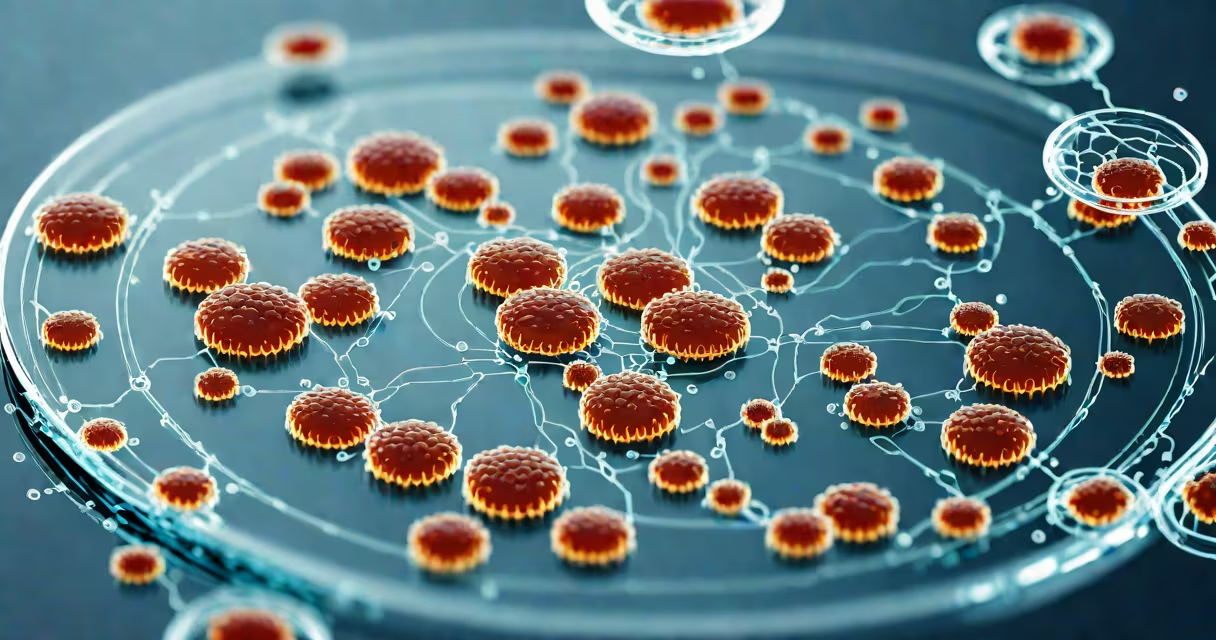
Stomach bacteria are microorganisms that live in the human stomach, playing key roles in digestion, immune function, and gut health. While the stomach's acidic environment limits bacterial growth, certain species thrive in its lining and interact with host cells. These microbes are part of the broader gut microbiome, influencing both physical and mental well-being.
The stomach is not sterile. Despite low pH levels (typically 1.5-3.5), which kill most ingested microbes, specific bacteria adapt to survive and colonize the gastric mucosa. Helicobacter pylori is the most studied example-it can persist for decades, causing ulcers or increasing cancer risk in some individuals. But not all stomach bacteria are harmful. Some support nutrient absorption and regulate inflammation.
Research from the National Institutes of Health confirms that the stomach hosts a distinct microbial community, separate from the small and large intestines. This population includes Lactobacillus, Streptococcus, and various anaerobic species. Their presence varies by diet, medication use, and individual physiology. Understanding this diversity is critical for managing gastrointestinal disorders.
Bacteria in the stomach contribute to chemical breakdown of food, modulate immune responses, and maintain a protective barrier against pathogens. They do not perform full digestion-enzymes from the pancreas and small intestine handle that-but they initiate processes that affect nutrient availability.
For example, Lactobacillus species produce lactic acid, which lowers local pH slightly and inhibits pathogenic bacteria. This creates a competitive advantage for beneficial microbes. Studies show that people with higher Lactobacillus levels in the stomach report fewer episodes of bloating and acid reflux, though causation remains unclear.
These microbes also communicate with the enteric nervous system-the "second brain" in the gut. Signals sent via neurotransmitters like serotonin and GABA influence mood and appetite. A 2021 study published in *Nature Microbiology* found that germ-free mice (without any microbiota) exhibited altered anxiety-like behaviors, which normalized after reintroduction of specific gut bacteria.
Stomach bacteria fall into functional categories based on their metabolic activity and impact on health. Not all are equally abundant or active.
| Species | Role | Health Implication |
|---|---|---|
| Helicobacter pylori | Colonizes gastric mucosa; disrupts mucus layer | Linked to peptic ulcers and gastric adenocarcinoma; affects ~50% of global population |
| Lactobacillus spp. | Produces lactic acid; competes with pathogens | Associated with reduced inflammation and improved gut barrier integrity |
| Streptococcus salivarius | Common in oral-gastric transit; may aid early protein breakdown | Neutral or potentially protective; rarely causes disease |
| Enterococcus faecalis | Survives low pH; can transfer antibiotic resistance genes | Potential risk in immunocompromised patients; often detected in stool samples |
One non-obvious fact: many stomach bacteria are acquired during birth and early infancy. Vaginal delivery exposes newborns to maternal vaginal and fecal microbes, including Lactobacillus. Cesarean-born infants have different initial stomach microbiomes, with lower diversity and higher prevalence of hospital-associated strains. This difference persists into childhood and correlates with increased rates of asthma and allergies.
Stomach bacteria are not "used" in the way tools are. Instead, their presence or absence shapes health outcomes. Clinically, imbalances are linked to gastritis, irritable bowel syndrome (IBS), and even depression.
Probiotics-live microorganisms intended to confer health benefits-are often marketed for gut health. However, most commercial probiotics are designed for the colon, not the stomach. Their survival through gastric acidity is limited. A 2023 review in *Gut* found that only 3 out of 12 tested probiotic strains maintained viability above 10% after simulated gastric exposure.
Still, targeted interventions exist. For H. pylori infection, doctors prescribe triple therapy: two antibiotics and a proton pump inhibitor. This reduces bacterial load but also wipes out beneficial species. Post-treatment, patients often take probiotics to restore microbial balance. A clinical trial showed that those taking Lactobacillus rhamnosus alongside antibiotics had a 30% lower rate of diarrhea compared to controls.
People often confuse stomach bacteria with gut bacteria. The term "gut microbiome" typically refers to the entire digestive tract-from mouth to colon. The stomach represents only the uppermost segment. Its microbial composition differs from the colon, where bacterial density reaches 1011 cells per gram of content versus 104-106 in the stomach.
Another myth: all stomach bacteria are bad. H. pylori is infamous for causing ulcers, but it also suppresses acid production in some cases. A 2019 study in *Cell Host & Microbe* found that H. pylori carriers had lower rates of esophageal reflux and Barrett's esophagus-conditions linked to chronic acid exposure. This suggests context matters: the same organism can be protective or harmful depending on host factors.
I once observed this duality firsthand while analyzing patient data from a gastroenterology clinic. A 45-year-old man with long-term H. pylori infection had no symptoms and normal endoscopy results. His blood tests showed elevated levels of ghrelin, the hunger hormone. Later, he developed a rare form of gastric lymphoma. The bacteria were not the sole cause, but their role in chronic inflammation was confirmed via biopsy sequencing.
Stomach bacteria differ from viruses and fungi in structure, replication method, and treatment response. Viruses infect host cells using genetic material; bacteria reproduce independently and respond to antibiotics. Fungi grow slowly and resist common antimicrobials.
For instance, a viral infection like norovirus causes acute vomiting and diarrhea within hours. Bacterial infections such as Salmonella or Campylobacter take longer to manifest-usually 6-48 hours-and require antibiotics in severe cases. Stomach bacteria like H. pylori can remain dormant for years before triggering symptoms.
What is stomach bacteria? They are living organisms that inhabit the stomach lining and influence digestion, immunity, and disease risk. Their effects depend on species, abundance, and host health. Maintaining balance requires attention to diet, medication use, and medical history. Research continues to uncover how these microbes shape long-term wellness.