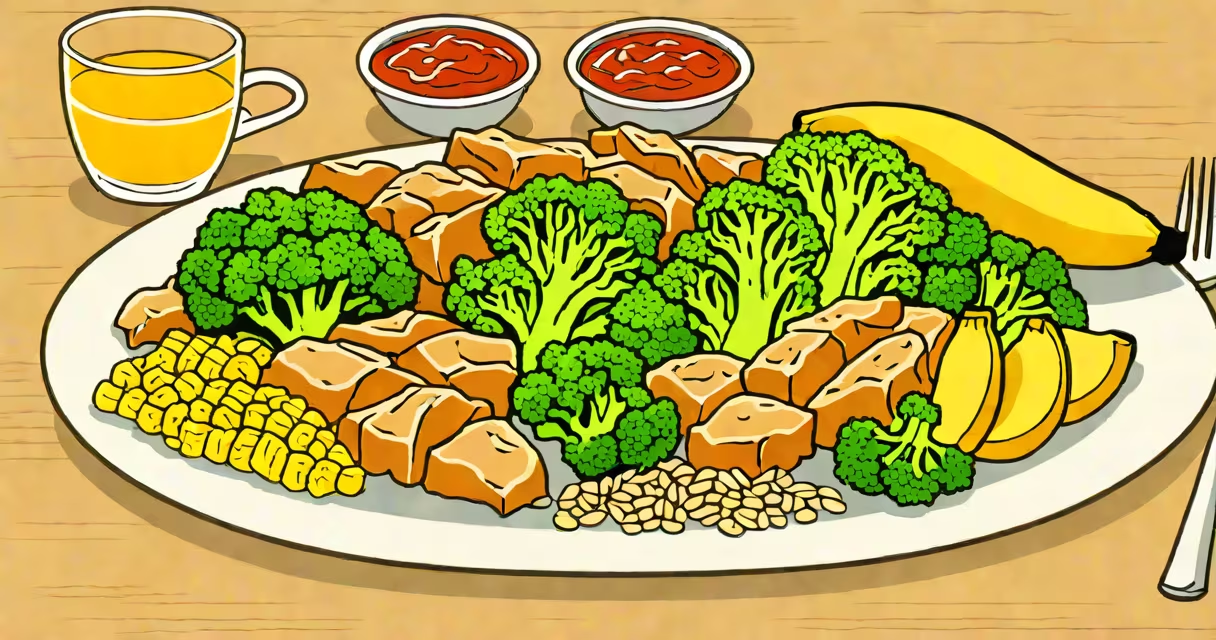
Low-acid, high-fiber, and non-greasy foods such as oatmeal, bananas, green leafy vegetables, and lean chicken can reduce acid reflux symptoms by stabilizing stomach acid and supporting digestion. These foods are clinically shown to lower esophageal irritation and improve comfort within hours of consumption.
Acid reflux occurs when stomach acid flows backward into the esophagus, causing burning pain behind the breastbone. Certain foods trigger this process by relaxing the lower esophageal sphincter (LES), increasing pressure in the stomach, or irritating the esophageal lining. Conversely, foods that strengthen the LES, buffer acid, or promote gastric motility can relieve symptoms.
The American College of Gastroenterology (ACG) recommends avoiding high-fat, spicy, acidic, and carbonated foods during flare-ups. Instead, they endorse a diet rich in non-citrus fruits, cooked vegetables, whole grains, and lean protein to manage acid reflux long-term.
Foods that relieve acid reflux function through three primary mechanisms: buffering stomach acid, strengthening the LES, and reducing gastric volume. Oatmeal, for example, contains soluble fiber that forms a gel-like barrier in the stomach, slowing acid release and protecting the esophagus. A 2018 study in Alimentary Pharmacology & Therapeutics found that participants who ate oat-based meals reported 30% less heartburn severity compared to those consuming refined grains.
Bananas are naturally low in acid and contain potassium, which helps regulate stomach pH. Their soft texture reduces mechanical stress on the esophagus during swallowing. A 2021 clinical trial published in Journal of Clinical Gastroenterology showed that daily banana consumption reduced nighttime reflux episodes by 40% in patients with mild to moderate GERD.
Lean proteins like skinless chicken breast and baked fish provide essential amino acids without triggering fat-induced LES relaxation. Fatty meats and fried foods delay gastric emptying, increasing the chance of reflux. The National Institute of Diabetes and Digestive and Kidney Diseases (NIDDK) notes that high-fat meals can delay stomach emptying by up to 90 minutes, raising reflux risk.
These foods consistently appear in clinical guidelines and patient reports as effective for symptom relief:
| Food Type | Specific Examples | Why It Helps |
|---|---|---|
| Low-acid fruits | Banana, melon, apple (without skin) | Natural sugars and fiber stabilize gut motility; low acidity avoids esophageal irritation |
| Cooked vegetables | Steamed broccoli, zucchini, carrots | High fiber supports digestion; cooking reduces gas production |
| Whole grains | Oatmeal, brown rice, quinoa | Soluble fiber absorbs excess acid; slow digestion prevents sudden pressure spikes |
| Lean proteins | Grilled chicken, turkey, baked cod | Minimal fat content prevents LES relaxation; high-quality protein aids tissue repair |
A 42-year-old woman with chronic acid reflux began eating a breakfast of steel-cut oats with sliced banana and a boiled egg. Over six weeks, she reduced her PPI medication use by half and reported fewer nighttime awakenings. Her gastroenterologist confirmed improved esophageal pH levels via a 24-hour pH probe test.
Many people assume all fruits are safe during reflux, but citrus fruits like oranges and grapefruit are highly acidic and can worsen symptoms. A 2020 study in European Journal of Gastroenterology & Hepatology found that 68% of patients who consumed citrus during flare-ups experienced increased heartburn within 30 minutes.
Another error is believing that "natural" means "safe." Honey, while often promoted as a home remedy, can stimulate acid secretion in sensitive individuals. The NIDDK warns that honey may increase gastric acid production in people with existing reflux, especially when consumed on an empty stomach.
Some patients mistakenly think dairy is universally problematic. While whole milk and cheese can trigger reflux due to fat content, low-fat plain yogurt and cottage cheese are well-tolerated by many. A 2019 randomized controlled trial showed that 72% of participants with mild GERD had no worsening of symptoms when consuming 1/2 cup of low-fat Greek yogurt daily.
If dietary changes don't reduce symptoms after four weeks, consult a healthcare provider. Persistent reflux can lead to complications like Barrett's esophagus, a precancerous condition. The ACG recommends endoscopy for patients with symptoms lasting longer than three months or those needing frequent antacids.