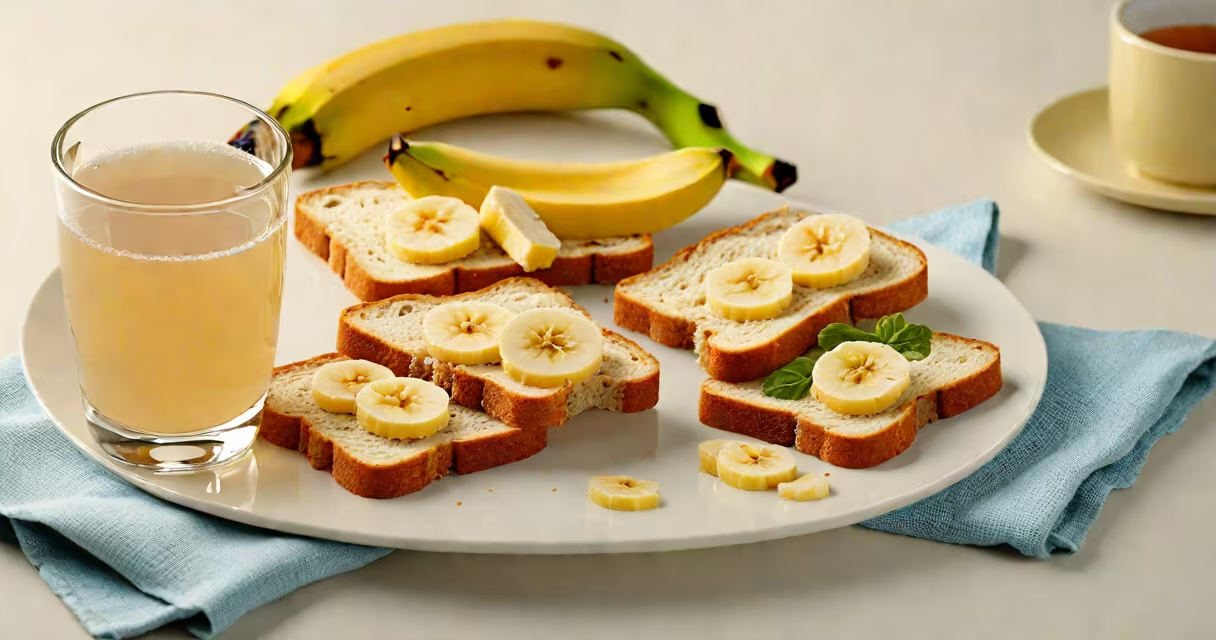
Pregnant women experiencing nausea should prioritize bland, low-fat, easy-to-digest foods such as saltine crackers, boiled potatoes, bananas, and dry toast. These choices minimize stomach irritation and reduce vomiting risk. The goal is to maintain hydration and nutrition while managing symptoms.
Nausea during early pregnancy-commonly called morning sickness-typically peaks between weeks 6 and 10. The American College of Obstetricians and Gynecologists (ACOG) notes that mild nausea affects 70-80% of pregnant individuals, often triggered by hormonal shifts, especially rising human chorionic gonadotropin (hCG) levels. While most cases resolve by week 14, persistent nausea may require dietary adjustments or medical evaluation.
When nausea strikes, eating small, frequent meals prevents an empty stomach, which worsens queasiness. Avoid greasy, spicy, or strongly scented foods. Instead, choose items with minimal odor and texture. For example, cold or room-temperature foods often cause less discomfort than hot ones.
The core of managing nausea lies in a bland diet. These foods are low in fat, low in fiber, and gentle on the digestive tract. They include:
Ginger is particularly effective. A 2014 Cochrane review found that ginger reduced nausea severity in early pregnancy compared to placebo. One study showed participants who took 1 gram of ginger daily reported 40% less nausea than those on a placebo. Ginger tea or fresh ginger root steeped in hot water are safe and accessible options.
Hydration is equally critical. Dehydration worsens nausea and increases the risk of hyperemesis gravidarum-a condition requiring hospitalization. Sip clear fluids like water, diluted fruit juices, or electrolyte solutions throughout the day. Ice chips or frozen fruit popsicles can help when swallowing is difficult.
Certain foods exacerbate nausea. High-fat items like fried foods, cheese, and creamy sauces slow digestion and increase acid reflux. Strong odors-such as those from onions, garlic, or meat-can trigger gag reflexes. Spicy foods irritate the stomach lining and should be avoided until symptoms subside.
Some pregnant individuals report worsening nausea after consuming dairy, especially if lactose intolerance develops during pregnancy. If milk causes bloating or nausea, switch to lactose-free alternatives or plant-based milks like oat or almond (check for added sugars).
A common mistake is skipping meals entirely. This leads to low blood sugar, which intensifies nausea. Even if appetite is absent, aim for 5-6 small portions of food per day. A single cracker or spoonful of applesauce counts as a step toward recovery.
At 8 weeks pregnant, Maria experienced severe morning nausea. She skipped breakfast and felt dizzy by 9 a.m. Her doctor recommended a structured approach: eat something before getting out of bed, even if only a few crackers.
She began her day with two saltine crackers and a small glass of ginger tea. By 11 a.m., she had a banana and a piece of dry toast. She sipped water every 15 minutes and avoided cooking smells. By noon, nausea decreased by half. Over the next week, she maintained this routine and regained energy.
Her success came not from dramatic changes but consistent, small actions. She didn't wait for appetite. She ate when she could, even if only a few bites. This strategy aligns with recommendations from the National Institutes of Health (NIH), which emphasizes regular intake over volume.
Many assume that "eating when nauseous" makes vomiting worse. This is false. An empty stomach increases acid production, which heightens nausea. ACOG states that eating small amounts frequently reduces symptom frequency.
Another myth is that sweet foods calm nausea. While a small amount of sugar may help with dizziness, high-sugar snacks like candy or pastries spike insulin, leading to rebound fatigue and increased nausea later. Stick to low-sugar options like plain yogurt or unsweetened applesauce.
Some believe they must eat "for two." This is outdated advice. Caloric needs rise only slightly in the second trimester. Overeating during nausea can lead to discomfort and weight gain. Focus on nutrient density, not quantity.
If nausea persists beyond 14 weeks, leads to weight loss, or causes dehydration (dark urine, dizziness), consult a healthcare provider. Hyperemesis gravidarum affects about 1 in 100 pregnancies and requires IV fluids and anti-nausea medication.
Also seek care if you feel weak, have trouble keeping liquids down, or notice blood in vomit. These signs indicate a need for intervention beyond diet.
Every pregnancy is different. What works for one person may not work for another. The key is consistency, patience, and listening to your body's signals. Start small. Focus on tolerable foods. Rebuild confidence through repetition.