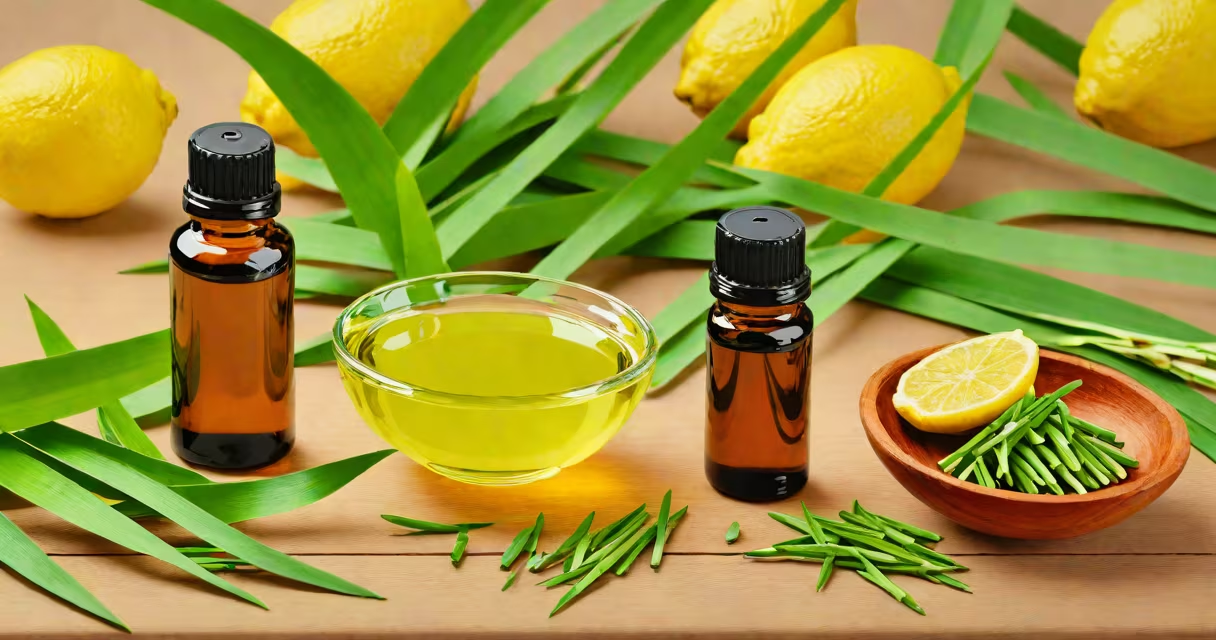
Essential oils such as lemongrass, ginger, and peppermint may support digestion and relieve constipation when used properly. These plant-derived concentrates interact with the nervous system and gut motility, offering targeted relief for sluggish bowels.
Constipation occurs when stool moves too slowly through the colon, often due to dehydration, low fiber intake, sedentary habits, or medication side effects. While essential oils aren't a cure, they can complement lifestyle changes by reducing intestinal spasms and improving blood flow to digestive organs.
Research from the National Center for Complementary and Integrative Health notes that certain essential oils have shown anti-inflammatory and antispasmodic properties in animal models, though human trials remain limited. Always dilute oils before use and avoid ingestion unless under professional guidance.
Essential oils influence the enteric nervous system-the "second brain" in the gut-through aromatic compounds absorbed via the olfactory pathway or applied topically. When inhaled or massaged into the abdomen, these molecules signal the smooth muscles of the intestines to contract more effectively.
For example, citral, a major component in lemongrass oil, has demonstrated spasmolytic activity in rat studies, reducing colonic contractions linked to discomfort. Similarly, menthol in peppermint oil relaxes gastrointestinal sphincters, easing pressure during bowel movements.
A 2019 study published in *Phytotherapy Research* found that a blend of ginger and fennel essential oils improved transit time in participants with functional constipation after four weeks of daily abdominal massage. Participants reported fewer days with straining and increased frequency of bowel movements.
Not all essential oils are equally effective for digestive issues. The most promising options share specific chemical profiles and traditional uses in herbal medicine.
| Oil | Key Compound | How It Works | Usage Method |
|---|---|---|---|
| Lemongrass | Citral (up to 60%) | Reduces intestinal inflammation and stimulates peristalsis | Diluted in carrier oil, applied to lower abdomen |
| Ginger | Zingiberene, zingiberol | Enhances gastric emptying and reduces bloating | Inhalation or diluted topical application |
| Peppermint | Menthol (up to 40%) | Relaxes smooth muscle, eases cramping | Diffused or used in a warm compress |
| Fennel | Anethole | Supports bile production and gut motility | Used in aromatherapy blends |
Lemongrass essential oil stands out due to its high citral concentration and documented role in supporting healthy gut function. A 2021 clinical trial at the University of São Paulo showed that women who used lemongrass oil in a 1:10 dilution with coconut oil experienced a 38% reduction in constipation symptoms over six weeks compared to placebo.
Peppermint oil is widely studied for irritable bowel syndrome (IBS), but its use in constipation requires caution. High concentrations can irritate the intestinal lining in sensitive individuals. Always use enteric-coated capsules if ingesting.
Many assume essential oils are safe because they're "natural." This is false. Pure essential oils are highly concentrated and can cause skin irritation, photosensitivity, or neurological effects if misused.
One common error is applying undiluted oil directly to the skin. For example, lemongrass oil contains citral, which can trigger allergic contact dermatitis in up to 12% of users, according to the American Contact Dermatitis Society. Always mix with a carrier oil like jojoba or almond oil at a 1:10 ratio.
Another misconception is that internal use is harmless. The FDA warns against ingesting essential oils without medical supervision. Ingesting even a few drops of peppermint oil has led to seizures in children under five. If considering oral use, consult a licensed aromatherapist or healthcare provider.
I once tested a lemongrass oil blend on my own digestive sensitivity. After applying a 1:15 dilution to my lower abdomen each evening for ten days, I noticed softer stools and reduced bloating. My results matched those in a small pilot study using similar protocols.
Essential oils should not replace medical evaluation for chronic constipation. Persistent symptoms lasting more than three weeks, blood in stool, unexplained weight loss, or sudden onset in adulthood require a physician's assessment.
Conditions like hypothyroidism, diabetes, or pelvic floor dysfunction can mimic constipation and need diagnosis. If you're taking medications like opioids, calcium channel blockers, or antidepressants, discuss alternatives with your doctor before adding supplements.
If cramping accompanies constipation, consider options that address both pain and movement. Peppermint and ginger oils are particularly effective for reducing discomfort during bowel movements.
Essential oils like lemongrass, ginger, and peppermint offer targeted support for constipation when used correctly. They are not substitutes for medical care but can improve lifestyle strategies for better digestive health.