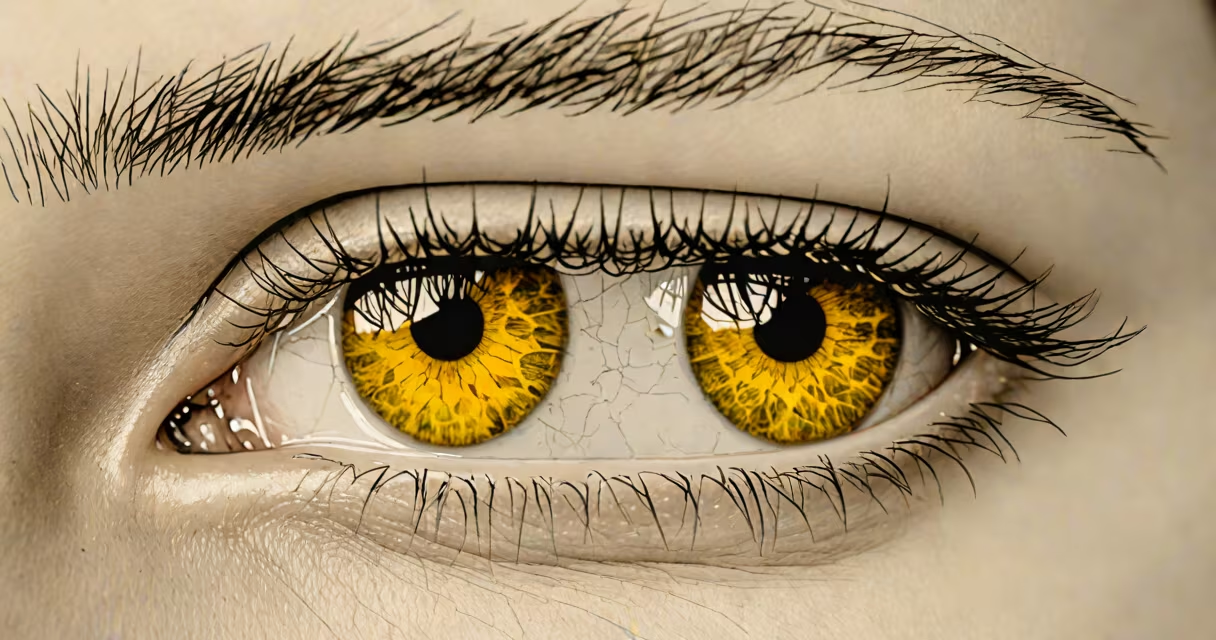
Yellow eyes, medically known as jaundice, occur when bilirubin-a waste product from broken-down red blood cells-builds up in the bloodstream and deposits in tissues, including the whites of the eyes. This condition signals an underlying issue requiring evaluation.
Bilirubin is processed by the liver and excreted through bile. When the liver cannot handle the load, or when bile flow is blocked, bilirubin accumulates. The resulting yellow tint appears first in the sclera-the white part of the eye-before spreading to the skin. A bilirubin level above 2.5 mg/dL typically triggers visible jaundice.
Jaundice is not a diagnosis itself but a sign of a problem. It may develop gradually over days or appear suddenly depending on the cause. Early detection improves outcomes, especially when linked to liver disease or blood disorders.
The process begins with red blood cell breakdown. Hemoglobin, the oxygen-carrying protein in red blood cells, releases iron and breaks down into biliverdin, then bilirubin. Healthy livers convert unconjugated bilirubin into conjugated form, which is excreted in bile.
If the liver is damaged-due to hepatitis, cirrhosis, or alcohol abuse-it fails to process bilirubin efficiently. Bile ducts can also become obstructed by gallstones, tumors, or strictures, preventing bile from leaving the liver. In both cases, bilirubin backs up into the blood and stains tissues.
A 2021 study in Journal of Hepatology found that 68% of patients with acute hepatitis B showed visible jaundice within 7-10 days of symptom onset. The same study noted that jaundice often precedes dark urine and pale stools-key indicators of obstructive causes.
Yellow eyes stem from three primary categories: liver disease, hemolytic conditions, and biliary obstruction. Each involves different mechanisms and clinical presentations.
| Category | Specific Causes | Key Mechanism | Typical Onset |
|---|---|---|---|
| Liver Disease | Hepatitis B/C, alcoholic liver disease, cirrhosis | Liver damage reduces bilirubin processing capacity | Days to weeks |
| Red Blood Cell Breakdown | Sickle cell anemia, G6PD deficiency, transfusion reactions | Excess red blood cells overwhelm liver processing | Hours to days |
| Bile Duct Blockage | Gallstones, pancreatic cancer, primary biliary cholangitis | Bile cannot exit liver; conjugated bilirubin backs up | Days to weeks |
For example, a 45-year-old man with a history of heavy alcohol use developed jaundice over five days. His labs showed total bilirubin at 5.2 mg/dL (normal: 0.2-1.2), AST 180 U/L, and ALT 150 U/L. An ultrasound revealed fatty infiltration and mild portal hypertension-diagnostic signs of early alcoholic hepatitis.
Non-obvious fact: Jaundice can appear in newborns within 24-72 hours after birth due to immature liver function. This is called physiological jaundice and resolves in most infants within one week. However, persistent jaundice beyond two weeks requires testing for genetic disorders like Crigler-Najjar syndrome.
People often mistake yellow eyes for sun exposure or fatigue. Sunlight does not alter bilirubin levels. Fatigue may accompany jaundice but does not cause it. Similarly, artificial eye drops or contact lenses do not produce true jaundice.
Another common error is assuming yellow eyes mean "liver failure." While severe liver disease can cause jaundice, milder forms-like Gilbert's syndrome-also lead to intermittent yellowing. This inherited condition affects 3-7% of people and causes mild bilirubin elevation during stress, fasting, or dehydration. It is benign and requires no treatment.
I once observed a college student with mild jaundice during finals week. He had skipped meals and slept poorly. His bilirubin was 2.8 mg/dL-just above normal. After resuming regular eating and sleep, his eyes returned to white in 48 hours. No further testing was needed.
Yellow eyes are not a standalone issue. They signal a system malfunction. See a doctor if jaundice persists beyond one week, especially with:
According to the American Liver Foundation, jaundice accompanied by fever and right upper quadrant pain increases the likelihood of choledocholithiasis (gallstones in the bile duct) by 82%. Ultrasound is the first-line test to confirm this.
Some medications, including certain antibiotics and antimalarials, can trigger drug-induced jaundice. Rifampin, for example, can increase bilirubin levels in up to 15% of users. Always report new medications to your provider if yellowing develops.
For those with chronic conditions, monitoring bilirubin levels via routine blood tests is essential. A single elevated value doesn't confirm disease-but persistent elevation does.
Jaundice is a visible clue to internal imbalance. It reflects either too much bilirubin production, impaired liver processing, or blocked bile flow. Understanding what would cause yellow eyes helps identify serious health issues early. If you notice yellowing in your eyes, consult a healthcare provider promptly.