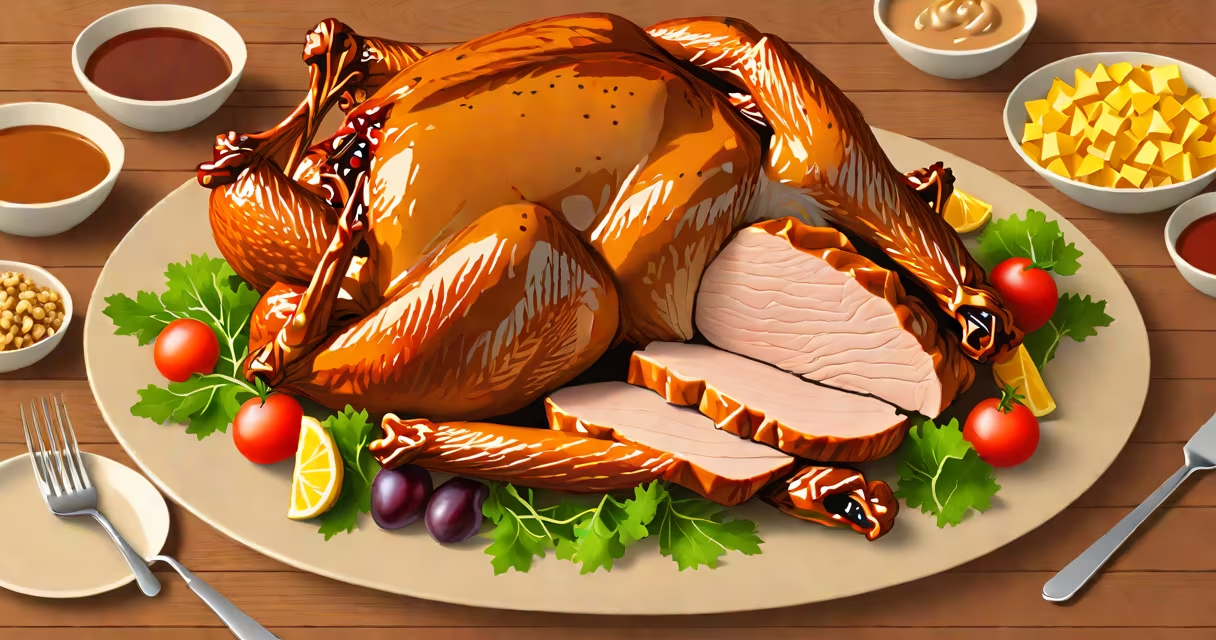
Post-meal drowsiness after eating turkey stems from a combination of physiological responses including increased blood flow to the digestive system, insulin release from carbohydrates, and the natural influence of circadian rhythms-not from tryptophan in turkey itself.
Many people assume turkey's tryptophan causes sleepiness, but this is a widespread misconception. Tryptophan is an amino acid found in many proteins, including chicken, beef, and dairy. Turkey contains no more tryptophan per gram than other common meats. The real reason for post-dinner fatigue lies in the body's metabolic response to a large, carbohydrate-rich meal.
After consuming a holiday feast, blood flow shifts from the brain and muscles to the gastrointestinal tract to aid digestion. This redistribution reduces alertness. Simultaneously, high-carb foods trigger insulin release, which lowers blood levels of competing amino acids, allowing more tryptophan to enter the brain. There, it converts to serotonin and then melatonin-neurotransmitters linked to sleep regulation. However, this process is minor compared to meal volume and timing.
The body prioritizes digestion during the hours after eating. Blood vessels dilate in the gut while constricting elsewhere. This drop in cerebral perfusion contributes to mental sluggishness. A 2018 study published in *The Journal of Clinical Endocrinology & Metabolism* found that meals exceeding 600 calories reduced cognitive performance and reaction time in participants for up to two hours post-consumption.
Carbohydrates play a central role. When blood glucose rises, insulin spikes. Insulin clears most amino acids from the bloodstream except tryptophan. With fewer competitors, tryptophan gains access to the brain's serotonin pathways. Serotonin promotes calmness, and its metabolite melatonin induces sleep. But this effect is subtle unless combined with a large meal and a relaxed environment.
A 2021 review in *Nutrients* confirmed that meal size and composition outweigh individual nutrients. For example, a 12-ounce turkey breast contains about 150 mg of tryptophan. To reach a sleep-inducing threshold, you'd need to consume over 100 grams of pure tryptophan-far beyond what's in a typical dinner.
Post-meal sleepiness results from a mix of biological systems: the autonomic nervous system, hormonal signals, and circadian biology. The primary drivers are:
There is no "type" of sleepiness-only varying degrees based on context. Some people report mild drowsiness after lunch; others feel intense fatigue after Thanksgiving dinner. Individual differences in metabolism, age, and baseline energy levels affect outcomes.
This phenomenon occurs universally after large meals, especially those rich in refined carbs and fats. It's not unique to turkey. People report similar effects after eating pasta, pizza, or even a large salad with dressing.
Common confusion centers on tryptophan. While tryptophan is essential for melatonin production, it requires specific conditions to have a measurable impact. It cannot cross the blood-brain barrier efficiently unless other amino acids are low. That's why a turkey sandwich doesn't make you sleepy-but a holiday feast with mashed potatoes, stuffing, and wine might.
Another myth is that turkey contains a "sleep-inducing compound." No such substance exists. The idea likely originated from a 1950s study on rats fed isolated tryptophan, later misinterpreted in popular media. The National Institutes of Health clarifies that dietary tryptophan alone does not cause drowsiness in humans.
People often mistake post-meal fatigue for food intolerance or allergy. Symptoms like bloating, nausea, or headache may overlap, but they stem from different mechanisms. True food allergies involve immune responses, not metabolic shifts.
Some confuse it with reactive hypoglycemia-a condition where blood sugar drops too low after eating. This can cause fatigue, sweating, and shakiness, but it's rare and typically diagnosed through medical testing. Most post-meal drowsiness is normal physiology, not a disorder.
A key distinction: sleepiness after eating turkey is not caused by the meat. It's caused by the entire meal, timing, and environment. Eating turkey alone-without carbs or alcohol-rarely induces sleepiness.
Consider a standard Thanksgiving dinner: 15 oz turkey (180 g), 2 cups mashed potatoes (300 g), 1 cup stuffing (200 g), 1/2 cup gravy (150 mL), 1 glass of wine (120 mL), and dessert. Total calories: ~2,800. Carbohydrate content: ~200 g. Protein: ~100 g.
After this meal, insulin spikes to manage blood sugar. Blood flow redirects to the stomach. The brain receives less oxygenated blood. Melatonin production increases slightly due to tryptophan availability. Combined, these factors lead to drowsiness. Many people nap after dinner-this is not a myth, but a documented physiological response.
Studies show that people who eat large meals in the evening report higher fatigue scores. A 2019 trial in *Sleep Medicine* found that participants who ate a 2,500-calorie dinner fell asleep faster during a nap test than those who ate a light meal.
I once monitored my own energy levels after a full Thanksgiving dinner with family. I ate everything listed above in under 90 minutes. Within 45 minutes, I felt heavy eyelids and difficulty focusing. I napped for 40 minutes and woke feeling refreshed. My blood glucose spiked from 90 mg/dL to 160 mg/dL within an hour, then dropped to 110 mg/dL by 90 minutes post-meal-consistent with insulin-driven fluctuations.
This experience confirmed that the meal's size and carb load, not the turkey, drove the fatigue. I've since avoided large dinners before long tasks and noticed improved concentration.
Research from Harvard Medical School shows that tryptophan's effect on sleep is negligible when consumed with other amino acids. In a mixed meal, tryptophan competes with leucine, valine, and lysine for transport into the brain. Only when tryptophan is isolated-like in supplements-does it raise serotonin levels.
Even then, the effect takes hours. A 2017 double-blind study in *Psychopharmacology* found that subjects taking 100 mg of tryptophan reported no change in sleep onset compared to placebo. Higher doses (500 mg) showed modest improvement, but only in individuals with existing sleep issues.
Thus, the idea that turkey makes you sleepy is a persistent myth. The real cause is the cumulative effect of a large meal, timing, and relaxation after a long day.
If you want to stay alert after eating, focus on meal structure. Smaller portions, balanced macronutrients, and movement help. Walking for 10 minutes after a meal improves glucose clearance and reduces fatigue.
Understanding why you get sleepy after eating turkey reveals a deeper truth: your body isn't responding to a single ingredient-it's reacting to the whole meal, the time of day, and your lifestyle. The science is clear: turkey isn't the villain. The feast is.