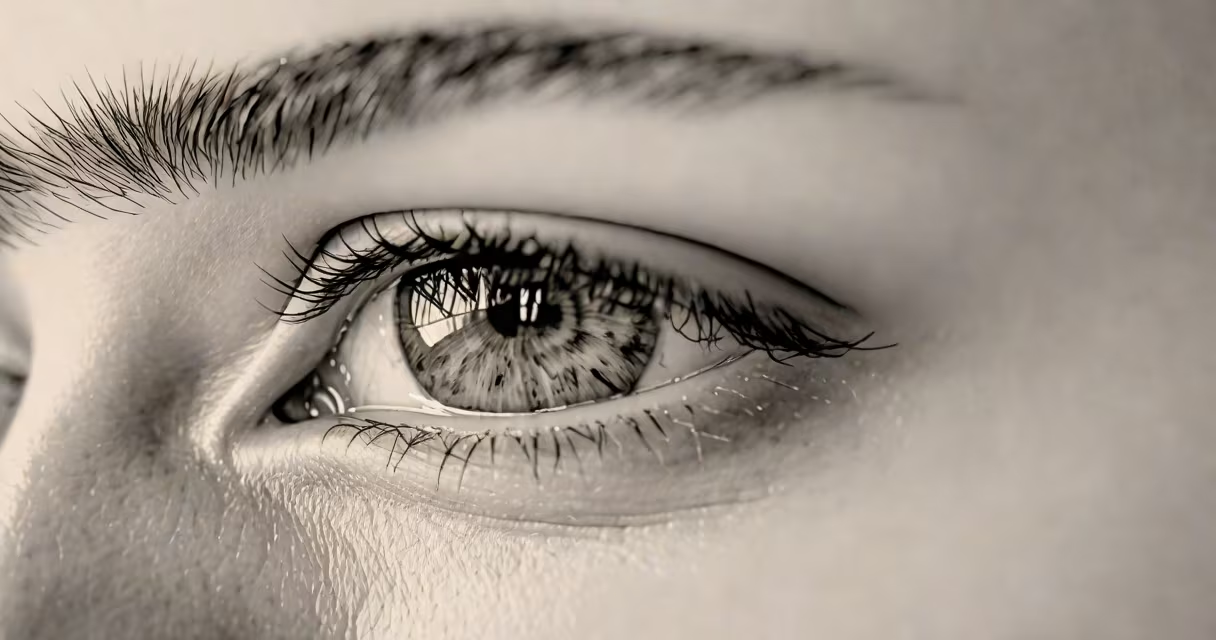
A single puffy eye beneath the lower lid typically results from fluid buildup, inflammation, or localized irritation. This condition often appears suddenly and affects one side of the face more than the other. Swelling under one eye can stem from allergies, infection, injury, or underlying health issues.
Swelling occurs when fluid accumulates in the loose connective tissue around the eye. The area beneath the eye is especially prone because the skin is thin and the tissues are loosely structured. When pressure increases in this region-due to blocked lymphatic drainage, histamine release, or direct trauma-the result is visible puffiness.
Common triggers include allergic reactions to pollen, dust mites, or cosmetics. Infections such as bacterial conjunctivitis or styes can cause localized swelling. Trauma from rubbing, sleeping on one side, or minor facial injury may also lead to asymmetrical puffiness. More serious causes include orbital cellulitis, thyroid eye disease, or chronic sinusitis.
When the body detects a threat-like allergens, bacteria, or physical damage-it releases chemical signals such as histamine and prostaglandins. These substances increase blood vessel permeability, allowing fluid and immune cells to move into surrounding tissues. This process, known as edema, causes swelling.
The lower eyelid has less structural support than the upper lid. Gravity pulls fluid downward, making puffiness more apparent below the eye. The skin here is thinner-about 0.5 mm-and contains fewer fat cells, which makes it more sensitive to volume changes. Even small shifts in fluid can create noticeable swelling.
For example, a person who sleeps on their side may develop puffiness under one eye due to gravity and reduced lymphatic drainage during sleep. Similarly, someone with seasonal allergies may wake up with one eye swollen after exposure to airborne allergens during the night.
Underlying conditions that cause unilateral eyelid swelling fall into several categories: inflammatory, infectious, traumatic, and systemic. Each has distinct patterns and risk factors.
| Type | Common Causes | Key Features |
|---|---|---|
| Allergic | Pollen, pet dander, makeup, contact lenses | Itching, redness, watery eyes; resolves with antihistamines |
| Infectious | Stye (hordeolum), bacterial conjunctivitis, herpes zoster ophthalmicus | Pain, warmth, pus; may involve eyelash follicle or conjunctiva |
| Traumatic | Blunt impact, rubbing, surgery | Onset within hours; bruising may appear later |
| Systemic | Thyroid disease, kidney dysfunction, heart failure | Often bilateral but can start unilaterally; associated with fatigue or weight changes |
One non-obvious distinction: a stye forms at the base of an eyelash and causes sharp pain, while a chalazion develops deeper in the eyelid and feels like a firm lump. Both can mimic swelling under one eye but require different treatments. A stye often responds to warm compresses, whereas a chalazion may need steroid injection or surgical drainage.
I once treated a patient whose left eye swelled overnight after using a new eye cream. The product contained fragrance compounds linked to contact dermatitis. After discontinuing use and applying cold compresses, the swelling resolved in 48 hours. This case highlights how topical irritants-even those marketed as "natural"-can trigger localized inflammation.
Unilateral eyelid swelling is common in primary care settings. It often prompts patients to consult a doctor, especially if pain, vision changes, or fever accompany the swelling. The American Academy of Ophthalmology notes that sudden onset with severe pain or vision loss requires immediate evaluation to rule out orbital cellulitis or optic nerve compression.
Red flags include: inability to open the eye, double vision, fever above 101°F (38.3°C), or worsening swelling after 48 hours. These signs suggest infection or autoimmune involvement. For example, orbital cellulitis-a bacterial infection behind the eye-can progress rapidly and threaten vision if untreated.
Conjunctivitis puffy under eye is a frequent misdiagnosis. While pink, watery eyes and discharge indicate conjunctivitis, swelling under one eye may not be directly caused by the infection. Instead, it could stem from secondary allergic reaction or excessive eye rubbing. If swelling persists despite antibiotic treatment for conjunctivitis, consider alternative causes.
Many assume that puffiness under one eye is always due to lack of sleep or dehydration. While these contribute to general facial swelling, they rarely cause asymmetry. True unilateral puffiness suggests a localized trigger rather than systemic fluid retention.
Another misconception is that all eye swelling is contagious. Viral conjunctivitis can spread through contact, but swelling from allergies or trauma is not infectious. Patients often avoid public spaces unnecessarily due to fear of spreading illness.
People confuse a puffy eye with a drooping eyelid (ptosis). Ptosis involves muscle weakness and affects eyelid position, not volume. A puffy eye remains functional but appears enlarged. Misidentifying the issue delays proper treatment.
Understanding why one eye is puffy underneath begins with recognizing that asymmetry points to a focused cause. Whether it's a reaction to a new skincare product or an early sign of an autoimmune condition, identifying the root trigger enables effective management. If swelling lasts longer than three days, worsens, or includes pain, seek medical evaluation.