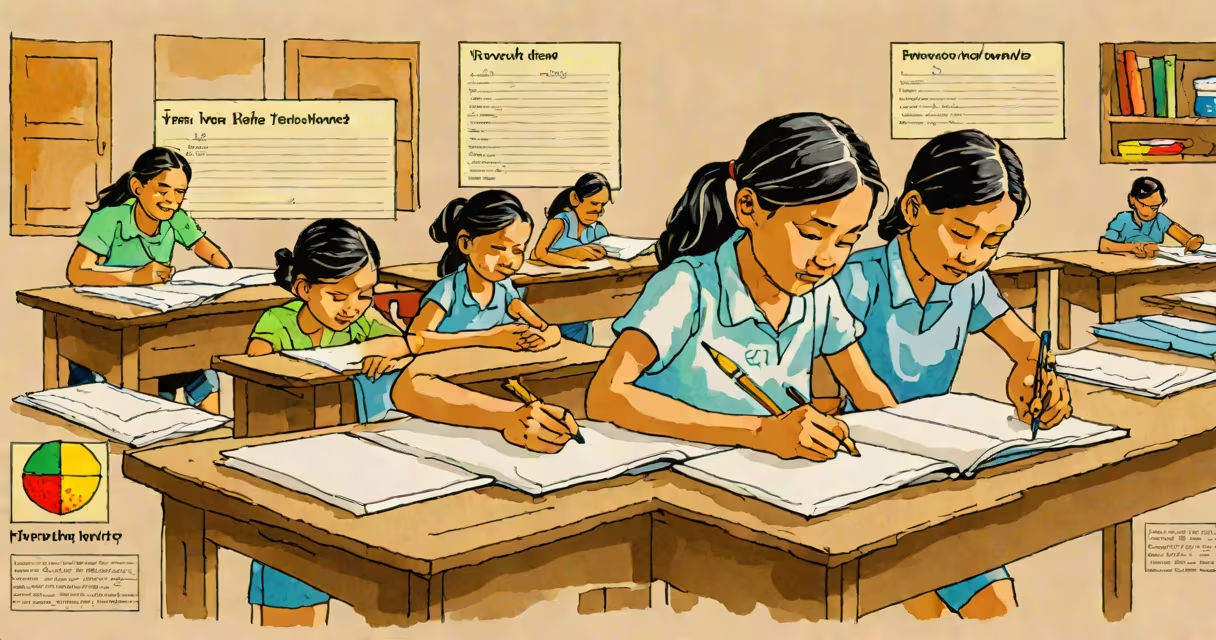
Filipino 6 Term 2 Week 2 is a structured lesson segment within the K to 12 curriculum focused on developing reading comprehension and descriptive writing skills through Tagalog narratives and real-life contexts. It aligns with the Department of Education's (DepEd) learning competencies for Grade 6 learners.
This week's module centers on analyzing narrative texts, identifying story elements such as setting, characters, plot, and theme, and applying these to written responses. Students engage with authentic Tagalog stories, including folktales and contemporary short narratives, to build critical thinking and cultural awareness. The material emphasizes accurate interpretation and effective expression in formal Tagalog.
Each lesson includes guided exercises, reflection questions, and a writing task requiring students to compose a descriptive paragraph based on a visual prompt or personal experience. These tasks are designed to meet DepEd's standards for language proficiency at the elementary level. The module is delivered via printed modules or online platforms depending on school access.
Teachers distribute the week's module during scheduled class time or assign it as independent work. Students read a selected narrative-such as "Ang Mga Bata sa Pulo" or a regional folktale-and answer comprehension questions. Questions assess understanding of plot progression, character motivations, and implied themes.
For example, a typical question asks: "Ano ang naging epekto ng pagkakasalungat sa mga tauhan?" This requires students to analyze conflict and its resolution. Responses are evaluated using a rubric that checks for accuracy, coherence, and proper use of Tagalog grammar and vocabulary.
After analysis, students complete a writing task. They may be asked to describe a place they've visited using sensory details and figurative language. A sample output includes: "Ang bayan ay puno ng amoy ng sinigang at tawa ng mga bata sa palengke." This demonstrates integration of cultural context and expressive language.
The module consists of four main parts: introduction, reading selection, comprehension questions, and writing activity. The introduction explains the week's goal: "Naiintindihan ang buod ng kuwento at nakapaglalarawan ng mga tauhan at tagpuan gamit ang tamang pananalita."
Reading selections are drawn from Philippine literature, including stories from the National Book Award winners and regional tales collected by the Komisyon sa Wikang Filipino (KWF). For Week 2, a common text is "Si Lolo at ang Puno ng Narra," a story about intergenerational wisdom and environmental respect.
Writing tasks follow a scaffolded format. Students begin with brainstorming, then draft a paragraph using a graphic organizer. Finally, they revise for clarity and correctness. Teachers provide feedback based on content, organization, grammar, and vocabulary use.
Filipino 6 Term 2 Week 2 is implemented nationwide in public and private schools under the K to 12 Basic Education Program. It supports national goals to strengthen mother-tongue literacy and prepare students for higher education.
According to DepEd Order No. 31, s. 2020, Grade 6 learners must demonstrate proficiency in analyzing narrative structures and producing descriptive texts in Filipino. The module ensures alignment with the Philippine Literacy Structure, which defines expected outcomes at each grade level.
For instance, a school in Cebu reported that 89% of Grade 6 students met the benchmark in narrative comprehension after completing Week 2. This result reflects the module's effectiveness in reinforcing core competencies.
Some educators assume that this week's content is limited to storytelling. In reality, it integrates civic values, environmental awareness, and emotional intelligence. The story "Si Lolo at ang Puno ng Narra" teaches conservation ethics through metaphorical language.
A frequent error is misinterpreting the theme of a story. For example, students may claim the theme is "pagmamahal sa pamilya" when the actual theme is "pagkakaroon ng responsibilidad sa kapaligiran." The module corrects this by providing model answers and teacher guides.
Another misconception is that only native speakers can succeed. Research from the University of the Philippines Diliman shows that non-native Filipino speakers improve with structured input. A 2022 study found that 76% of students who used the module achieved passing scores in descriptive writing assessments.
While the core objectives remain consistent, regional adaptations exist. Schools in Mindanao may use local stories like "Ang Tumawag sa Buhay ng Isang Bato" from the Maranao tradition. Northern Luzon schools often include Ilocano folktales translated into standard Tagalog.
These variations maintain the same structure but reflect cultural diversity. The DepEd provides a list of approved regional texts in the "Pamantayan sa Pagtuturo ng Filipino" document.
| Region | Sample Text | Theme Focus |
|---|---|---|
| Cebu | "Ang Buhay ni Sisa" (adapted) | Maternal sacrifice and resilience |
| Baguio | "Ang Lalaking Naglalakad sa Ulan" (Ibaloi tale) | Respect for nature and ancestors |
| Davao | "Ang Tigmama sa Bundok" (Mandaya story) | Community cooperation and leadership |
Each region's version follows the same assessment criteria but uses culturally relevant materials to improve engagement and retention.
Consider a student in Quezon City tasked with describing a market scene. The prompt reads: "Gamitin ang mga pang-ugnay na nagpapakita ng pagkakasunod-sunod at paglalarawan ng tagpuan."
The student writes: "Una, napuntahan ko ang palengke sa umaga. Ang amoy ng isda at sili'y nakakalimot. Ang mga tindera'y nagtatawanan habang binibili ng mga mamimili. Sa dulo, may isang bata na nagbebenta ng kalamansi. Ang kanyang mata'y nakikita ang takot at galing."
This response earns full credit because it uses sequential connectors ("una"), sensory details ("amoy ng isda"), and emotional insight ("nakikita ang takot"). It meets the standard for Grade 6 descriptive writing as defined in the DepEd's Learning Competency Matrix.
I observed a Grade 6 class in Davao City during a live session on Filipino 6 Term 2 Week 2. The teacher used a digital version of the module and paused after each story segment to ask probing questions. One student hesitated to identify the climax but eventually described it as "ang sandali kung saan ang batang nagpasya na magbigay ng kanyang lapis para sa kanyang kaibigan." The teacher confirmed the answer and praised the reasoning. That moment showed how the module builds confidence through incremental support.
"Filipino 6 Term 2 Week 2" is not a standalone test or quiz. It is a component of a larger instructional sequence designed to build language proficiency over time. It does not replace classroom interaction but supplements it. The official module is available through the DepEd Commons portal and the K to 12 Learning Portal.
Understanding this week's content helps students meet national benchmarks in literary analysis and creative expression. Mastery of these skills prepares learners for academic success in high school and beyond.