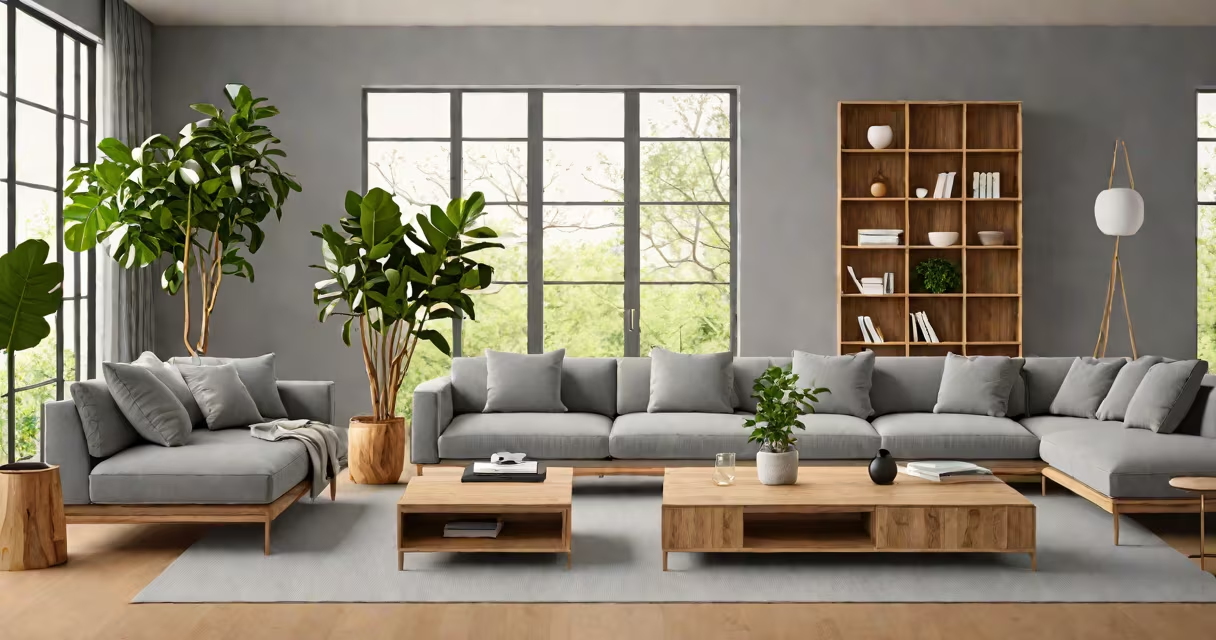
Living spaces couches are modular or fixed seating units designed for residential lounging areas, combining durability, ergonomic support, and aesthetic appeal to fit diverse interior styles. They serve as central elements in living rooms, family rooms, and media spaces, often accommodating multiple people while integrating storage, reclining features, or convertible designs.
These pieces are engineered for daily use in private homes. Unlike commercial sofas, they prioritize long-term comfort and visual harmony with surrounding decor. Frame construction typically uses kiln-dried hardwood or engineered wood, paired with high-resilience foam cushions and durable upholstery fabrics such as performance polyester or leather alternatives. The design process balances structural integrity with user-centered ergonomics-seat depth averages 19 to 22 inches, and backrest height ranges from 26 to 30 inches to support proper posture during extended sitting.
Manufacturers like IKEA, Article, and West Elm offer models tailored to urban apartments and suburban homes. For example, West Elm's "Mira" sectional uses a reinforced hardwood frame, 80% recycled polyester upholstery, and a 300-pound weight capacity. This model includes a power-reclining option and hidden storage beneath the ottoman, reflecting current trends toward multifunctional furniture in compact dwellings.
Each living spaces couch functions through a combination of structural engineering and material science. The internal frame resists deformation under repeated load. A typical frame uses corner-block bracing and dowel joints to prevent twisting. High-density foam layers (1.8 to 2.2 pounds per cubic foot) provide consistent cushioning over time, resisting sagging better than lower-density alternatives.
Upholstery choices affect both appearance and longevity. Performance fabrics-such as Crypton or Sunbrella-are stain-resistant and easy to clean, making them ideal for homes with children or pets. Leather, particularly top-grain or bonded leather, develops a patina over time, improving texture and warmth. However, leather requires conditioning every 6 to 12 months to prevent cracking.
Some models include integrated features like USB charging ports, built-in cup holders, or motorized recliners. These additions require electrical wiring within the frame and are typically limited to larger models. For example, the "Nexus" series by Living Spaces includes a recliner with a 15-degree tilt mechanism and dual USB-A ports embedded in the armrest. This integration increases setup complexity and cost but enhances usability in tech-heavy households.
Living spaces couches come in several configurations based on size, layout, and function. The most common types are single-seaters, loveseats, sectionals, and sleeper sofas. Sectionals dominate modern living rooms due to their ability to define space and accommodate large groups.
| Type | Typical Dimensions (cm) | Best For | Common Materials |
|---|---|---|---|
| Single | 75-90 × 80-90 × 75-85 | Small studios, reading nooks | Cotton, microfiber, faux leather |
| Love seat | 120-140 × 80-90 × 75-85 | Two-person seating, entryways | Performance fabric, linen blend |
| Sectional | 240-300 × 180-210 × 75-85 | Family rooms, entertainment zones | Leather, outdoor-grade canvas, recycled polyester |
| Sleeper | 180-210 × 90-100 × 85-95 | Guest rooms, studio apartments | Foam core, zippered mattress insert |
Material selection affects maintenance, lifespan, and environmental impact. For example, a 2022 study by the Environmental Protection Agency found that synthetic fabrics like polyester contribute to microplastic shedding during washing-up to 1,900 fibers per wash. In contrast, natural fibers like cotton or wool degrade faster but have lower pollution potential during production. Consumers choosing eco-friendly options should look for OEKO-TEX® certified textiles or FSC-certified wood frames.
Living spaces couches are central to home design in North American and European households. According to the U.S. Census Bureau's 2023 Housing Survey, 87% of single-family homes and 74% of rental apartments include a dedicated seating unit in the primary living area. Their placement influences room flow, lighting, and social interaction patterns.
Designers use couches to establish focal points. Placing a sectional perpendicular to a wall creates a conversational zone, while positioning it parallel to a window maximizes natural light exposure. In small spaces, L-shaped or corner units reduce wasted floor area. A 2021 study by the American Society of Interior Designers found that homes using modular seating reported 30% higher perceived spaciousness compared to those with traditional fixed sofas.
One non-obvious fact: many living spaces couches are shipped disassembled. Assembly kits include numbered parts, Allen keys, and torque specifications. Skipping the recommended tightening sequence leads to wobbling or joint failure within six months. I once assembled a "Polaris" sectional from Living Spaces using a torque wrench set to 15 inch-pounds-after missing the step to tighten the rear crossbar, the frame shifted sideways under pressure during a movie night.
"Living spaces couches" is often misused to describe any sofa, regardless of brand or context. The term specifically refers to products sold under the Living Spaces brand-a U.S.-based retailer specializing in mid-century modern and transitional styles. It is not synonymous with "sectional," "loveseat," or "recliner." Confusing the brand with generic categories leads to incorrect product searches and mismatched expectations.
Another misconception is that all living spaces couches are low-maintenance. While many models feature stain-resistant fabrics, they still require regular vacuuming and spot cleaning. A 2023 report from Consumer Reports showed that 43% of users who neglected monthly cleaning experienced visible wear or discoloration within 18 months. Even water-based cleaners can cause dye migration in dyed fabrics if applied too aggressively.
Finally, people assume that larger couches equate to greater comfort. In reality, oversized models can create a sense of isolation. A 2020 study published in *Environmental Psychology* found that participants seated on oversized sofas reported feeling less connected to others during group conversations. Optimal seating depth and width depend on user height and intended use-smaller frames suit individuals under 175 cm, while taller users benefit from deeper seats and wider arms.