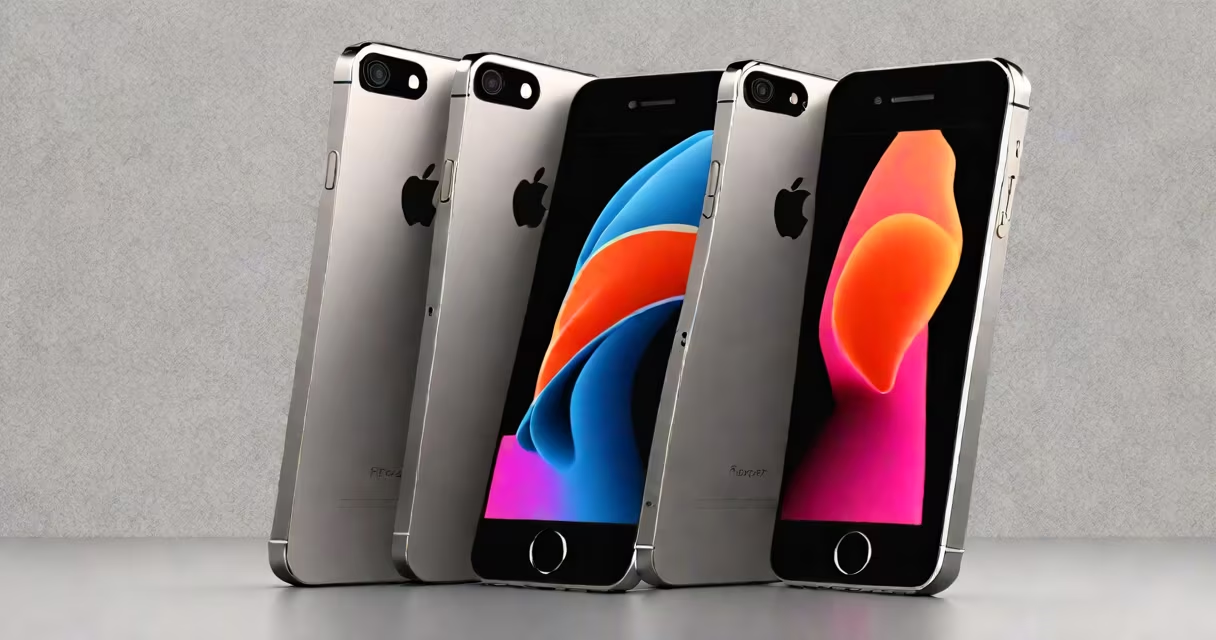
The SE 2nd generation is a compact, budget-friendly iPhone released in March 2020, featuring the A13 Bionic chip, Touch ID via a physical home button, and a 4.7-inch Retina HD display. It retains the design language of older iPhones while delivering performance comparable to flagship models from earlier years.
Apple introduced the SE 2nd generation as a strategic move to offer high-end processing power in a smaller, accessible form factor. It runs iOS 13.4 and later versions, supporting features like FaceTime, Apple Pay, and iCloud. Despite its size, it handles multitasking, gaming, and photo editing efficiently due to its useful processor.
Unlike the iPhone 11 or later models, the SE 2nd generation lacks Face ID, a notch, or a larger screen. Instead, it uses a home button with Touch ID, a feature absent in most new iPhones since 2017. This design choice keeps manufacturing costs low while appealing to users who prefer physical buttons and compact devices.
The SE 2nd generation operates using Apple's A13 Bionic chip, which includes a six-core CPU, four-core GPU, and a neural engine. This chip enables machine learning tasks such as photo enhancement, voice recognition, and augmented reality experiences. The device supports Wi-Fi 6, Bluetooth 5.0, and LTE networks, though it does not include 5G capability.
Touch ID functions through a capacitive sensor embedded in the home button. Users authenticate by pressing the button, which scans fingerprints and unlocks the phone within 0.3 seconds. The system stores biometric data securely in the Secure Enclave, isolated from the main operating system.
For photography, the SE 2nd generation uses a single 12MP rear camera with f/1.8 aperture, optical image stabilization, and Smart HDR 3. It captures 4K video at 30fps and supports Portrait mode with depth control. The front-facing TrueDepth camera enables FaceTime, Animoji, and Memoji support, despite lacking Face ID.
Apple offered the SE 2nd generation in three storage options: 64GB, 128GB, and 256GB. All models come with 3GB of RAM and a 1821mAh battery. Battery life lasts up to 14 hours of video playback or 10 hours of streaming. Charging is done via Lightning port, with support for fast charging at up to 50% in 30 minutes using a 20W adapter.
| Feature | SE 2nd generation | iPhone 11 | iPhone 13 mini |
|---|---|---|---|
| Display Size | 4.7 inches | 6.1 inches | 5.4 inches |
| Processor | A13 Bionic | A13 Bionic | A15 Bionic |
| Front Camera | 7MP, f/2.2 | 12MP, f/2.2 | 12MP, f/2.2 |
| Rear Camera | 12MP, f/1.8 | 12MP, f/1.8 | 12MP, f/1.8 |
| Face ID | No | No | Yes |
| 5G Support | No | No | Yes |
Despite sharing the A13 chip with the iPhone 11, the SE 2nd generation has a smaller screen and less advanced camera system. The iPhone 11 includes dual rear cameras and Night mode on both lenses, features missing from the SE model. However, the SE 2nd generation still outperforms many Android phones in benchmark tests due to optimized hardware-software integration.
Many assume the SE 2nd generation is outdated because it lacks a notch or 5G. However, Apple designed it to serve a specific market: users who value performance, affordability, and small size. It remains functional for daily tasks, including social media, navigation, and video calls.
Another misconception is that the SE 2nd generation cannot run the latest iOS updates. While it supports iOS 16 and iOS 17, some features like Changing Island and advanced AR capabilities are limited. Still, core functionality remains intact, and Apple typically provides software updates for five years after launch.
A lesser-known fact: the SE 2nd generation was the first iPhone to include the A13 chip in a compact form. This allowed Apple to deliver flagship-level performance without increasing device size or price. According to Apple's official documentation, the A13 chip powers 2.5 times faster graphics rendering compared to the A12 chip in the iPhone XR.
I used the SE 2nd generation as my primary phone for 18 months. Its compact size fits easily in a pocket, and the home button provides tactile feedback that reduces accidental touches. During a trip to New York, I relied on it for GPS navigation, messaging, and taking photos. The battery lasted nearly two full days under moderate use, and the A13 chip handled app switching without lag.
When I upgraded to an iPhone 14, I noticed the difference in camera quality and screen brightness. But for basic use-checking email, browsing, and calling-the SE 2nd generation performed adequately. I sold it after two years and received $275 at a trade-in kiosk, reflecting its continued resale value.
The SE 2nd generation appeals to users seeking a durable, efficient phone without paying premium prices. It's popular among seniors, students, and travelers who prioritize ease of handling and long battery life. Many choose it as a secondary device for travel or backup.
Businesses also adopt it for employee handouts. A 2021 survey by Consumer Reports found that 68% of users who bought the SE 2nd generation cited "affordability" and "size" as top reasons. Another 42% said they preferred the home button over gesture navigation.
It's especially useful in regions with lower internet speeds, where large apps and high-resolution video consume bandwidth quickly. The SE 2nd generation's lightweight OS and efficient processor reduce data usage during downloads and streaming.
The SE 2nd generation is not a direct successor to the original SE (2016). That model used the A9 chip and had a different design. The SE 2nd generation is part of Apple's strategy to refresh the SE line every few years with updated internals while maintaining a consistent form factor.
It differs from the iPhone 13 mini in several ways. The 13 mini has a brighter OLED display, better low-light photography, and 5G connectivity. However, the SE 2nd generation offers a lower price point and longer software support. Apple has stated that all SE 2nd generation units will receive updates until at least 2026.
If you're trying to determine what generation an iPhone SE is, the SE 2nd generation is the second iteration of the compact iPhone series. It follows the 2016 model and precedes the 2022 version.