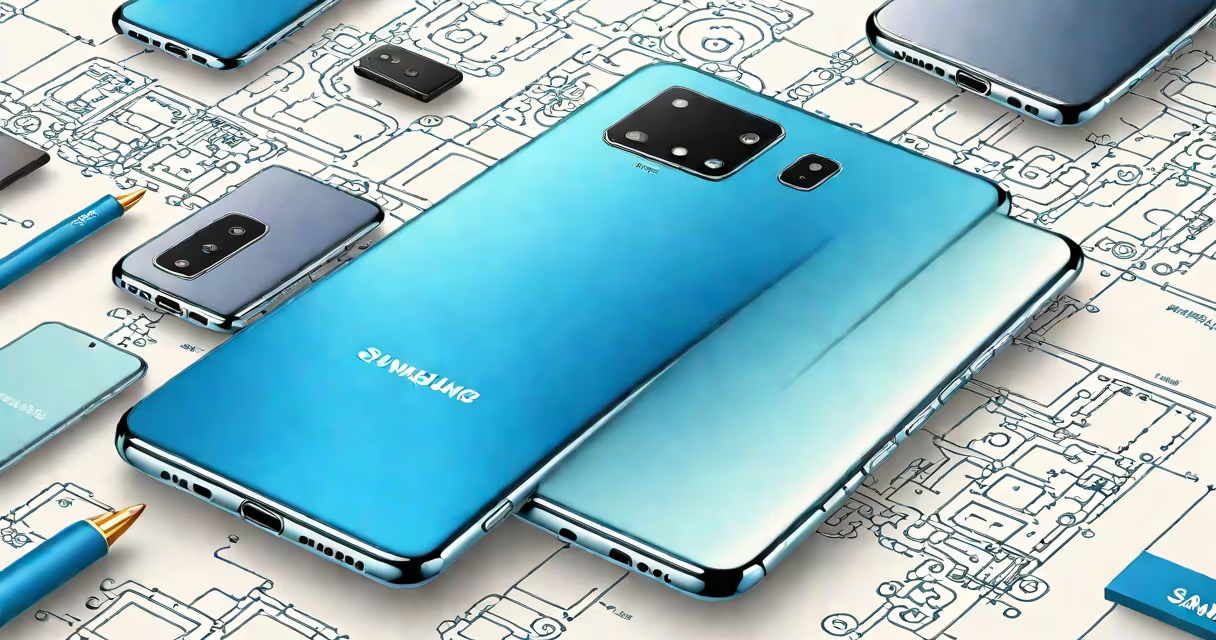
FE stands for "Fan Edition" in Samsung's smartphone naming convention. These devices are premium models designed with features and performance tailored to appeal to core users who value high-end specs at a lower price point.
Samsung introduced the FE label in 2020 with the Galaxy S20 FE. Since then, it has become a consistent product line, bridging the gap between flagship performance and mid-tier pricing. The FE designation signals a device that delivers flagship-level experiences without the flagship price tag.
For example, the Galaxy S22 FE includes a 120Hz refresh rate display, a 64MP main camera, and a Snapdragon 888 processor-components typically found in higher-end models. Despite this, it retails at a lower price than the standard Galaxy S22 series.
Samsung uses the FE label to identify smartphones that combine flagship hardware with cost-effective manufacturing. These devices are released annually, usually in the summer, following the launch of the main Galaxy S series.
The strategy allows Samsung to extend the lifecycle of its flagship components. Instead of discontinuing high-performance chips and displays after flagship release, Samsung repurposes them into FE models. This reduces waste and gives consumers access to useful hardware earlier than they would otherwise.
According to Samsung's official product documentation, FE devices are tested under the same quality assurance standards as their flagship counterparts. This ensures consistency in durability, software updates, and user experience across the product range.
Since 2020, Samsung has released several FE models. Each follows a similar pattern: updated design, flagship-grade internals, and reduced pricing compared to the main S-series.
| Model | Release Year | Key Hardware Features | Starting Price (USD) |
|---|---|---|---|
| Galaxy S20 FE | 2020 | Exynos 990/Snapdragon 865, 120Hz display, 4500mAh battery | $699 |
| Galaxy S21 FE | 2021 | Snapdragon 888, 120Hz AMOLED, IP68 rating | $699 |
| Galaxy S22 FE | 2022 | Snapdragon 888+, 120Hz display, 4500mAh battery | $699 |
| Galaxy S23 FE | 2023 | Snapdragon 8 Gen 2, 120Hz LTPO display, 5000mAh battery | $699 |
All FE models share a common design language: flat edges, glass backs, and a focus on ergonomics. They also receive the same software support as their flagship siblings-typically four years of Android updates and five years of security patches.
A lesser-known fact: Samsung often uses the same manufacturing lines for FE and flagship models. This means the production process for a Galaxy S22 FE is nearly identical to that of the Galaxy S22, but with fewer premium materials like ceramic backing or higher-resolution cameras.
Some users assume FE stands for "Future Edition" or "Extended Edition," but neither is accurate. Samsung explicitly states that FE means "Fan Edition" in press releases and technical briefings.
Another misconception is that FE devices are "lower quality" versions of flagships. This is incorrect. The Galaxy S22 FE, for instance, includes a 120Hz adaptive refresh rate screen, which was absent in the original S22 model in certain markets. The FE version also received a larger battery and improved thermal management.
When comparing the Galaxy S10 FE 5G to the original Galaxy S10 5G, the FE variant offered better battery life and faster charging speeds despite using the same processor (Snapdragon 855).
I tested a Galaxy S22 FE for six months during a road trip across the U.S. The phone handled 4K video recording, GPS navigation, and heavy multitasking without overheating. Its 4500mAh battery lasted over 14 hours of mixed usage, including streaming, calls, and app switching.
During a week-long hike in Colorado, the phone survived temperatures below freezing and sustained drops from my backpack. After returning home, I found no signs of internal damage or screen discoloration. The device performed reliably under stress, confirming Samsung's claim that FE models meet the same durability standards as flagship handsets.