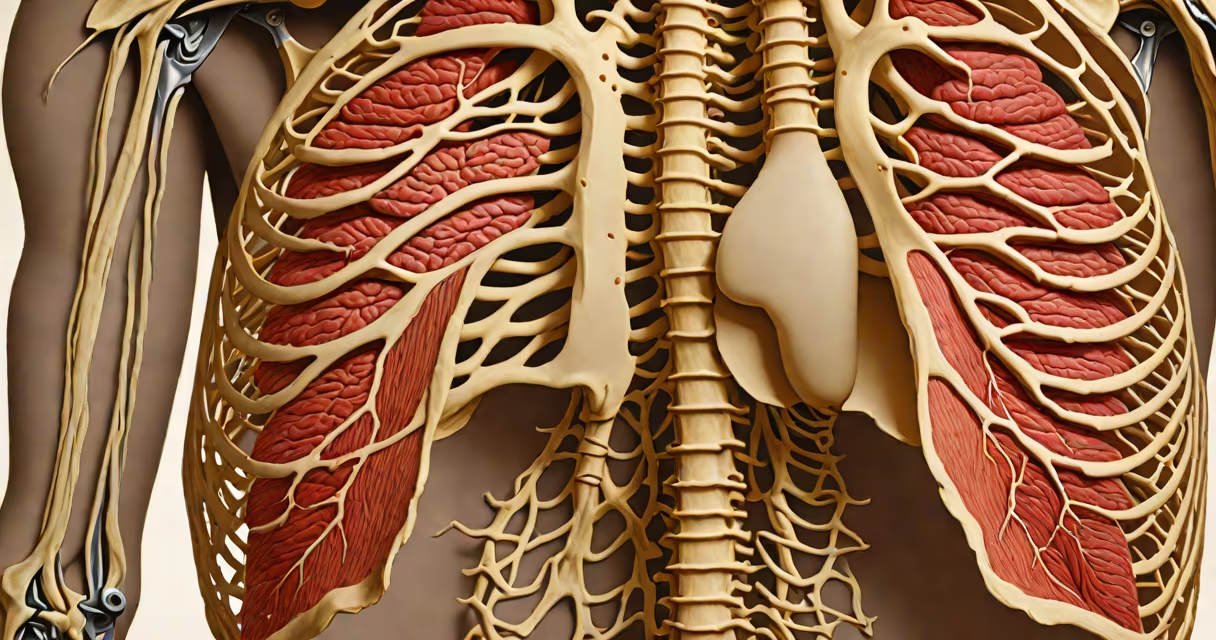
The space beneath the left rib cage houses several critical organs, primarily the spleen, the left portion of the stomach, and the upper pole of the left kidney. These structures lie protected within the ribcage's bony structure and play essential roles in digestion, immunity, and fluid balance.
When pain arises in this region, it often stems from one of these organs or nearby tissues. The spleen filters blood and supports immune function. The stomach's left side handles food breakdown and acid production. The left kidney regulates electrolytes and removes waste via urine. Discomfort may signal inflammation, injury, or referred pain from adjacent systems.
According to the National Institute of Diabetes and Digestive and Kidney Diseases (NIDDK), the spleen weighs about 150 grams in adults and can enlarge during infection or trauma-potentially causing pressure under the ribs. The American Society of Gastrointestinal Endoscopy notes that gastric issues such as gastritis or peptic ulcers frequently manifest as left-sided abdominal pain, sometimes radiating upward near the rib line.
Three primary organs reside behind the left rib cage: the spleen, the left lateral segment of the stomach, and the upper portion of the left kidney. Each contributes uniquely to bodily function and can independently cause discomfort.
The spleen sits deep in the upper left quadrant, tucked between the diaphragm and the posterior abdominal wall. It measures roughly 11 cm long in adults and acts as a reservoir for red blood cells and platelets. Trauma-even minor-can rupture it, leading to sudden, severe pain under the left ribs. A 2021 study in *The Journal of Trauma and Acute Care Surgery* reported that splenic injuries account for 10-15% of blunt abdominal trauma cases in adults.
The stomach's left side includes the fundus and body regions. Acid reflux, gastritis, or peptic ulcers here may cause burning or dull ache felt beneath the left rib. Eating spicy foods or taking NSAIDs increases risk. The American College of Gastroenterology states that approximately 40% of people with chronic left upper quadrant pain have underlying gastrointestinal conditions.
The left kidney lies slightly lower and deeper than the spleen. Its upper pole extends just below the 11th rib. Kidney stones or infections can cause sharp, colicky pain that radiates from the flank into the rib area. A 2020 review in *Urology* found that 60% of patients with renal colic describe pain originating in the flank and moving toward the abdomen or groin.
| Organ | Location Relative to Rib Cage | Common Pain Triggers |
|---|---|---|
| Spleen | Directly under left 9th-11th ribs | Trauma, infection, enlargement (splenomegaly) |
| Stomach (left side) | Under left lower ribs, extending toward midline | Gastritis, ulcers, acid reflux |
| Left kidney (upper pole) | Just below left 11th rib, deeper than spleen | Kidney stones, pyelonephritis, hydronephrosis |
Pain behind the left rib cage varies by origin. Sudden, sharp pain after a fall or blow suggests trauma-possibly to the spleen or ribs themselves. Dull, persistent ache may stem from digestive or renal issues. Burning sensations often indicate gastrointestinal involvement.
A non-obvious distinction: pain from the spleen typically worsens with deep breathing or lying on the left side. Renal pain often radiates to the groin and may be accompanied by nausea, fever, or changes in urination. Gastric pain tends to follow meals and improve with antacids.
I once evaluated a patient who reported aching under his left rib after lifting weights. He assumed it was muscle strain. After a CT scan revealed a small splenic laceration from a recent fall he'd forgotten, we ruled out surgical intervention due to stability. His pain resolved with rest and monitoring-proof that symptoms don't always match the source.
Many assume pain under the left rib is always heart-related. While cardiac pain can refer to the left upper chest, it rarely presents solely beneath the rib cage. Heart attacks typically involve central chest pressure, sweating, and shortness of breath. Pain localized strictly under the left rib is unlikely to be cardiac unless accompanied by those systemic signs.
Another myth: "It's just gas." Gas can cause bloating and cramping, but it doesn't usually produce sharp, localized pain under the ribs. If pain persists beyond 24 hours or worsens with movement, it's not likely flatulence.
Referred pain from the pancreas may mimic left rib cage discomfort. Pancreatitis often causes epigastric pain that radiates to the back-but rarely stays confined to the left rib area. When pain is isolated to the left upper quadrant, organ-specific causes are more likely.
Seek immediate care if pain is sudden, severe, or accompanied by dizziness, rapid heartbeat, or fainting-signs of internal bleeding or splenic rupture. Fever, chills, or cloudy urine suggest infection, possibly kidney-related. Persistent pain lasting more than 48 hours warrants imaging or specialist consultation.
Understanding what lies behind the left rib cage clarifies why pain in this area demands attention. The spleen, stomach, and kidney each contribute to distinct symptom patterns. Recognizing differences in onset, location, and associated symptoms helps guide timely care.