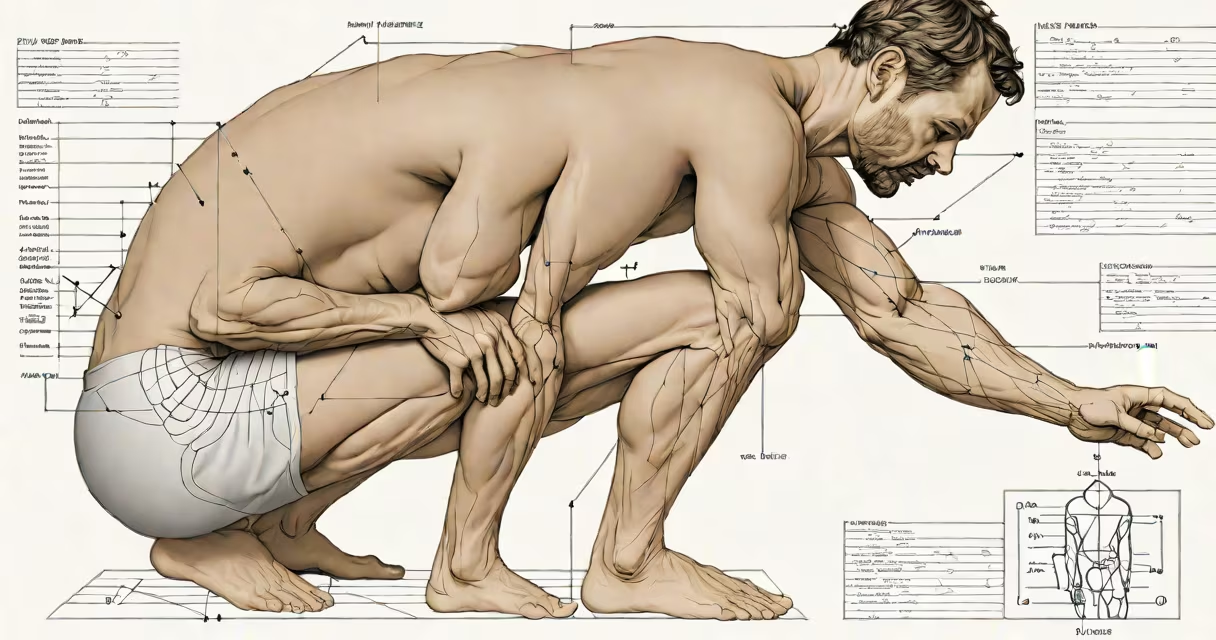
Unexplained testicle pain may stem from injury, infection, or a medical emergency like testicular torsion, which requires immediate treatment to prevent tissue loss. Pain without trauma or illness can indicate underlying issues needing evaluation.
Testicular pain without clear cause often arises from inflammation, nerve irritation, or blood flow disruption. The testicles are highly sensitive due to dense nerve endings and their role in fertility. Even minor changes in pressure or temperature can trigger discomfort. When pain occurs without injury, illness, or sexual activity, it may reflect internal dysfunction rather than external stress.
Common triggers include prolonged sitting, tight clothing, or sudden movement. However, persistent or sharp pain without known cause warrants medical attention. A 2021 study in the journal Urology found that 16% of men presenting with acute scrotal pain had no identifiable cause upon initial assessment, highlighting the need for thorough evaluation.
Pain signals originate in the testes and travel via the genitofemoral and ilioinguinal nerves to the spinal cord and brain. These nerves also supply nearby areas like the inner thigh and lower abdomen, which is why testicle pain may radiate or feel like lower back or abdominal discomfort.
The testes are suspended in the scrotum by the spermatic cord, which contains blood vessels, nerves, and the vas deferens. If the cord twists-known as torsion-it cuts off blood flow. This can cause severe pain within minutes and leads to tissue death if untreated within six hours. According to the American Urological Association, torsion affects about 1 in 4,000 males aged 12-18, making it rare but urgent.
Other mechanisms include epididymitis, inflammation of the tube behind each testicle. It often results from bacterial infection, especially in sexually active men under 35. Symptoms include swelling, warmth, and a dull ache that worsens with standing or walking. A 2020 review in BJU International reported that 60% of acute scrotal pain cases in young adults were due to epididymitis or torsion.
Conditions causing unexplained testicle pain fall into three categories: acute emergencies, infections, and chronic or functional pain.
| Type | Key Features | Onset | Red Flags |
|---|---|---|---|
| Testicular torsion | Twisting of spermatic cord; sudden, severe pain | Minutes to hours | One testicle larger, elevated, painful to touch |
| Epididymitis | Inflammation of epididymis; often linked to STIs | Hours to days | Swelling, fever, discharge, pain with urination |
| Chronic orchialgia | Long-term pain without clear cause; nerve-related | Weeks to months | Persistent ache, no swelling, normal exam |
Testicular torsion is the most urgent condition. It typically presents with rapid-onset pain, nausea, and a testicle that appears higher than normal. The "bell-clapper" deformity-a congenital condition where the testicle is loosely attached-increases risk. Men with this anatomy have a 1 in 100 chance of torsion during adolescence.
Epididymitis often follows urinary tract infections or sexually transmitted infections like chlamydia. A 2019 CDC report noted that chlamydia rates among men aged 15-34 rose 12% between 2015 and 2019, contributing to increased cases of genital inflammation.
Chronic orchialgia accounts for up to 30% of non-traumatic testicular pain cases. It's often misdiagnosed as psychosomatic, but imaging and nerve blocks confirm neuropathic involvement. A 2022 study in European Urology Focus found that 45% of patients with long-term pain had abnormal nerve signals in the scrotal region.
Doctors assess testicle pain through physical exam, ultrasound, and lab tests. Doppler ultrasound detects blood flow-critical for ruling out torsion. A normal flow suggests infection or non-urgent cause.
Urinalysis and urine culture identify bacterial sources. For suspected STIs, nucleic acid amplification tests (NAATs) detect chlamydia and gonorrhea. A 2021 guideline from the Infectious Diseases Society of America recommends testing all men with acute scrotal pain who are sexually active.
Imaging is essential. A 2020 study in Ultrasound in Medicine & Biology showed that Doppler ultrasound correctly identified torsion in 98% of cases when performed within four hours of symptom onset. Delayed scans reduce accuracy.
Many assume that testicle pain always results from injury or sexual activity. That's false. Up to 40% of cases occur without recent trauma or intercourse, according to a 2023 cohort study in Journal of Andrology.
Another myth is that pain in one testicle is harmless. Unilateral pain is more likely to signal torsion or localized infection. Bilateral pain may suggest systemic issues like mumps orchitis or autoimmune conditions-but it's less common.
Some men delay seeking care due to embarrassment. But delaying treatment for torsion increases the risk of losing the testicle. A 2021 case series from Johns Hopkins found that 60% of men who waited over six hours to seek care lost the affected testicle.
A 22-year-old college student woke with sudden, intense pain in his left testicle. He had no history of injury or illness. The pain worsened when he stood. He visited an urgent care clinic. A physical exam revealed a high-lying, swollen testicle. Doppler ultrasound showed absent blood flow. He was diagnosed with torsion and taken to surgery within 90 minutes. The testicle was untwisted and salvaged. Without timely intervention, he would have faced infertility and surgical removal.
This case illustrates why "no reason" doesn't mean "not serious." The absence of a clear trigger doesn't rule out life-altering conditions.
Seek immediate medical attention if pain is sudden, severe, or accompanied by nausea, vomiting, or fever. Swelling, redness, or a testicle that feels firm or tender to touch also require prompt evaluation.
If pain persists beyond 24 hours or recurs, consult a urologist. Chronic pain may benefit from nerve blocks or medications like gabapentin, which target neuropathic signaling.
Testicle pain for no reason is not normal. It signals a system in distress. Early diagnosis prevents irreversible damage and preserves reproductive health.